
Key takeaways:
- Etsy is home to thousands of successful sellers offering handmade, vintage, and personalized products.
- The best Etsy sellers stand out through quality products, excellent customer service, and strong branding.
- Categories like jewelry, personalized gifts, home décor, and wedding products continue to dominate Etsy sales.
- Reviews, ratings, sales history, and product quality are important factors when evaluating an Etsy shop.Learning from top-performing Etsy sellers can help both buyers and aspiring entrepreneurs make better decisions.
Etsy has become one of the most popular online marketplaces for shoppers looking for unique, handmade, and personalized products. Unlike traditional eCommerce platforms, Etsy focuses on creativity, craftsmanship, and independent sellers, making it a favorite destination for millions of buyers across the United States.
With so many shops available, finding the best Etsy sellers can feel overwhelming. Some stores have built strong reputations through exceptional customer experiences, while others have achieved success by offering highly specialized products in profitable niches.
In this guide, we’ll explore what makes an Etsy seller successful, how to identify trustworthy shops, and highlight some of the top Etsy sellers in the USA.
What exactly is Etsy?
Etsy is an online marketplace where independent creators and small businesses sell handmade goods, vintage products, craft supplies, digital downloads, and personalized gifts.
The platform connects buyers directly with creators, allowing customers to discover products that are often unavailable through traditional retail stores. From custom jewelry and wedding décor to digital planners and home decorations, Etsy offers products across hundreds of unique categories.
Choose the Right Product Category
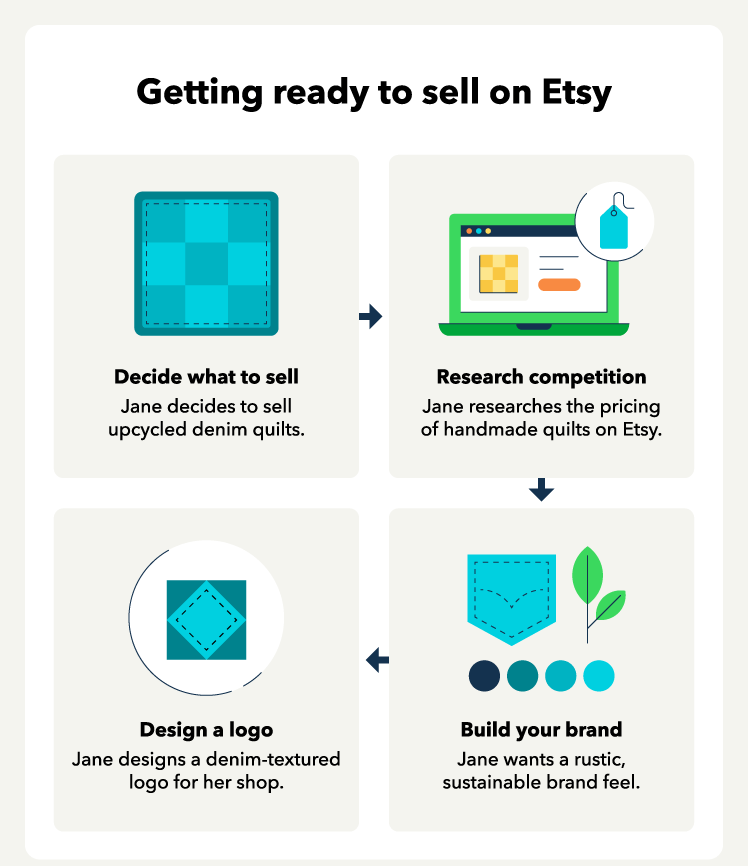
The foundation of every successful Etsy shop is choosing products that people genuinely want to buy. Before creating listings, spend some time identifying what you enjoy making and where your skills can provide value to customers.
Look for products that combine your interests with market demand. Handmade items, personalized gifts, digital products, vintage collectibles, and home décor are all popular categories, but success often comes from finding a specific niche rather than competing in an overcrowded market.
Research current trends, customer preferences, and emerging product categories to discover opportunities that align with your strengths.
Analyze Similar Etsy Shops
Once you’ve selected a product idea, study other successful Etsy sellers in the same category. This research can help you understand customer expectations and identify ways to stand out from competitors.
Pay attention to factors such as:
- Product pricing and positioning
- Photography quality and presentation style
- Product descriptions and listing structure
- Customer reviews and feedback
- Best-selling products within the niche
The goal isn’t to copy other sellers but to learn what works and find areas where you can offer something different or better.
Create a Strong Brand Identity
A recognizable brand helps customers remember your shop and builds trust over time. Your brand includes more than just your products—it represents the overall experience customers have when interacting with your store.
Think about the image and personality you want your shop to communicate. Whether your style is modern, elegant, minimalist, rustic, or playful, maintaining consistency across your listings, images, packaging, and messaging can strengthen your brand presence.
7 steps to open an Etsy shop
Setting up an Etsy shop is fairly straightforward, but you need to make some decisions in the planning stages. Your Etsy shop is essentially a small business, so you need to put the same amount of thought into it as you would starting a business.
Follow these steps to learn how to start an Etsy shop that uses business best practices.
1. Create Your Etsy Seller Account
The first step to starting an Etsy business is creating an account on the platform. If you already have an Etsy account as a shopper, you can use the same account to become a seller. Simply access Etsy’s selling section and begin the shop creation process.
During setup, Etsy will guide you through the information needed to launch your store and start listing products.
2. Select a Memorable Shop Name
Your shop name plays an important role in building your brand identity. Choose a name that reflects your products, business style, and target audience while remaining easy to remember.
Before finalizing a name, check whether similar names are already being used on Etsy, social media platforms, or website domains. Consistent branding across multiple platforms can make it easier for customers to recognize and find your business online.
3. Define Your Product Collection
When launching a new Etsy store, it’s often better to start with a focused selection of products rather than offering too many unrelated items.
Creating a clear product theme helps shoppers understand your brand and increases the likelihood of attracting the right audience. For example, a shop dedicated to handmade skincare products should maintain a consistent product range rather than mixing unrelated categories.
As your store grows and customer demand increases, you can gradually introduce additional products that complement your existing offerings.
4. Configure Your Shop Settings
Etsy provides a step-by-step setup process that helps sellers customize their storefront. During this stage, you’ll choose important settings such as your preferred language, currency, and shop location.
These settings help Etsy display your products to the most relevant audience and improve the shopping experience for potential customers. Sellers planning to reach international buyers may also benefit from Etsy’s translation and localization features.
5. Develop a Smart Pricing Strategy
Setting the right price is one of the most important decisions for any Etsy seller. Your pricing should cover production costs while still remaining competitive within your market.
When calculating prices, consider factors such as:
- Material and supply costs
- Time spent creating the product
- Packaging expenses
- Shipping charges
- Etsy seller fees
- Competitor pricing
Many successful sellers combine cost-based pricing with market research to determine a price point that balances profitability and customer value. Reviewing your pricing regularly can help ensure your products remain competitive while supporting long-term business growth.ness costs, and your competitors’ prices—so you can sell each one at its true value.
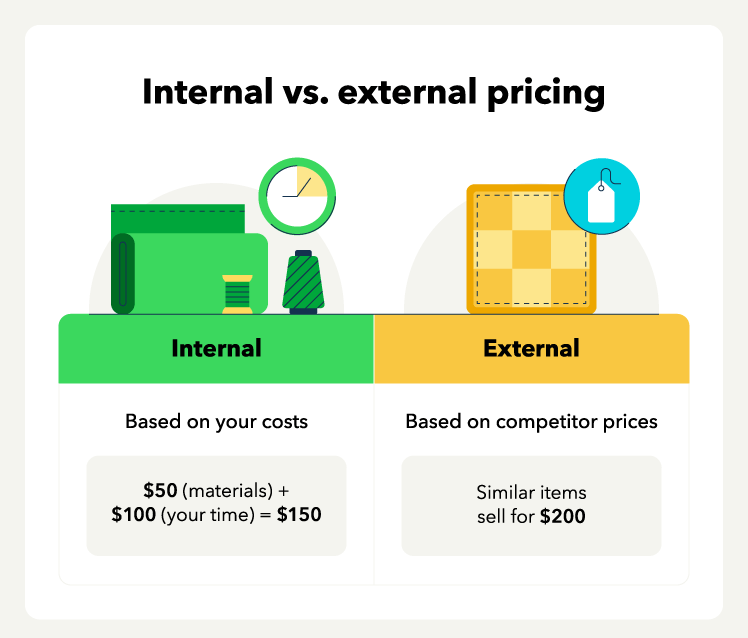
As you think about setting your prices, you also want to consider Etsy’s seller fees. Etsy takes listing, transaction, payment processing fees, and more, which we cover in more detail below. It’s important to know just how much Etsy takes from the sale of your goods—which can help you set the right price.
6. Keep Your Inventory Organized
Before launching your Etsy store, it’s important to have enough products available to handle incoming orders. Running out of stock too quickly can lead to missed sales opportunities, while producing too much inventory may increase storage costs and reduce profitability.
A smart inventory strategy includes:
- Starting with a manageable quantity of each product.
- Monitoring sales patterns regularly.
- Identifying your best-selling and slow-moving items.
- Adjusting production based on customer demand.
Keeping track of inventory helps ensure that popular products remain available while reducing the risk of overstocking items that sell less frequently.
7. Create Effective Product Listings
Once your shop is ready, the next step is creating listings that attract potential buyers. A strong Etsy listing combines eye-catching visuals with detailed and informative content.
To improve your listings:
- Use clear, high-resolution product images.
- Showcase products from multiple angles.
- Write informative descriptions that explain the product’s benefits and features.
- Include important details such as dimensions, materials, colors, and customization options.
- Add relevant keywords to improve search visibility.
Think about the search terms buyers might use when looking for products similar to yours. Using those keywords naturally in your titles and descriptions can help increase traffic to your listings.
Listing fees Understanding Etsy Seller Fees
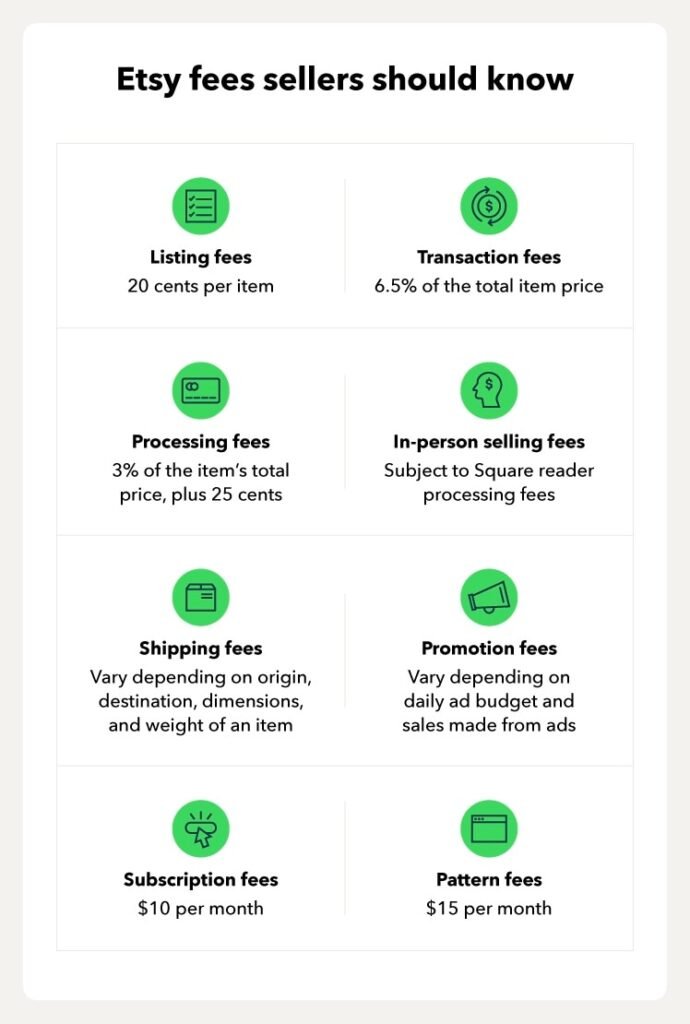
Before opening an Etsy shop, it’s important to understand the different fees that can affect your overall profit. These costs should be considered when setting product prices and planning your business strategy.
Listing Fees
Etsy charges a small fee whenever you create a product listing. Each listing costs $0.20 and remains active for four months. If the item is not sold during that period, you can renew the listing for an additional fee to keep it visible in the marketplace.
Transaction Fees
When a sale is completed, Etsy deducts a transaction fee from the order value. This fee is calculated as a percentage of the total amount paid by the customer, including shipping and any additional charges associated with the order.
Payment Processing Fees
If you use Etsy Payments to accept customer payments, additional processing fees apply. Etsy Payments supports various payment methods, including credit cards, debit cards, digital wallets, gift cards, and other online payment options. Processing charges vary depending on the country where your bank account is registered.
Shipping Costs
Etsy provides shipping label services that help sellers manage order fulfillment more efficiently. Shipping expenses are based on factors such as package size, weight, shipping destination, and delivery method.
To avoid confusion, sellers should clearly communicate important shipping details, including:
- Accepted payment methods
- Estimated delivery times
- Shipping charges
- Return and exchange policies
- International duties and customs information
In-Person Selling Fees
Sellers who participate in local markets, events, or pop-up shops can connect their Etsy inventory with payment systems such as Square. Depending on how transactions are processed, separate transaction fees may apply. Square may also charge its own payment processing fees for in-person purchases.
Advertising and Marketing Costs
For sellers who want to increase visibility, Etsy offers promotional tools designed to reach more potential buyers.
Etsy Ads allow products to appear in prominent positions within Etsy search results. Sellers can control their advertising budget based on their marketing goals.
Offsite Ads promote Etsy listings on external platforms such as search engines and social media websites. If a shopper clicks an advertisement and makes a purchase within the attribution period, Etsy may charge an additional advertising fee on that sale.
Etsy Plus Subscription
Etsy also offers an optional premium subscription called Etsy Plus. This plan includes additional customization features, marketing tools, and shop management options that can help sellers grow their businesses more effectively.
Top Etsy Sellers in the USA (By Estimated Profit)
The following Etsy shops are among the highest-performing sellers based on estimated revenue, profit, and marketplace presence.
| Shop Name | Estimated Profit ($) | Listings | Shop Age |
|---|---|---|---|
| DeKaraDesigns | 22.7M+ | 2,360 | 12 Years |
| OliviaVdesigns | 18.8M+ | 861 | 7 Years |
| Cocojojobeauty | 18.7M+ | 761 | 9 Years |
| SquatchyShop | 17.8M+ | 422 | 7 Years |
| CaitlynMinimalist | 17.5M+ | 1,710 | 11 Years |
| StarlightStudioStuff | 15.4M+ | 227 | 13 Years |
| DIAMONDFORLOVE | 15.3M+ | 1,811 | 13 Years |
| ElizabethJewelryInc | 15.2M+ | 1,183 | 13 Years |
| KarlaGil | 14.7M+ | 41 | 9 Years |
| WeddingsDecorStudio | 14.0M+ | 109 | 9 Years |
Note: Revenue and profit estimates may vary depending on the data source and marketplace changes.
Frequently Asked Questions
1. How much money do I need to start an Etsy shop?
Starting an Etsy shop is affordable. Etsy charges a one-time shop setup fee (varies by location, usually under $30) and a $0.20 listing fee for each item you post. You’ll also pay transaction and payment processing fees when you make sales.
2. Is Etsy worth it for beginners?
Yes, Etsy can be a great platform for beginners. It provides access to millions of buyers looking for handmade, vintage, and unique products. Success depends on product quality, branding, customer service, and marketing efforts.
3. What products sell best on Etsy?
Popular Etsy categories include personalized gifts, jewelry, home décor, wedding items, digital downloads, craft supplies, clothing, and handmade accessories. Finding a specific niche often leads to better results.
4. How do I choose a profitable Etsy niche?
Research trending products, analyze competitors, and identify gaps in the market. The most profitable niches often combine high demand with low competition and reflect your personal skills or interests.