
The future has always fascinated people. Every generation imagines what life will look like in the years ahead, but today’s pace of innovation makes those predictions feel closer to reality than ever before. Technologies that once existed only in science fiction are becoming part of our daily routines, while changing lifestyles and global priorities are reshaping the way we work, learn, travel, and connect with one another. The world is evolving rapidly, and the decisions we make today will influence how comfortably and successfully we adapt to tomorrow. Future Trends are changing the way we live by transforming how we work, communicate, travel, and use technology.
Future Trends are not simply about new gadgets or technological breakthroughs. They represent long-term changes in society, business, healthcare, education, and environmental responsibility. Understanding these developments helps individuals prepare for new career opportunities, businesses stay competitive, and communities build a more sustainable future. While no one can predict every innovation that lies ahead, several powerful trends are already shaping the next chapter of human life.
Artificial Intelligence Will Become an Everyday Companion
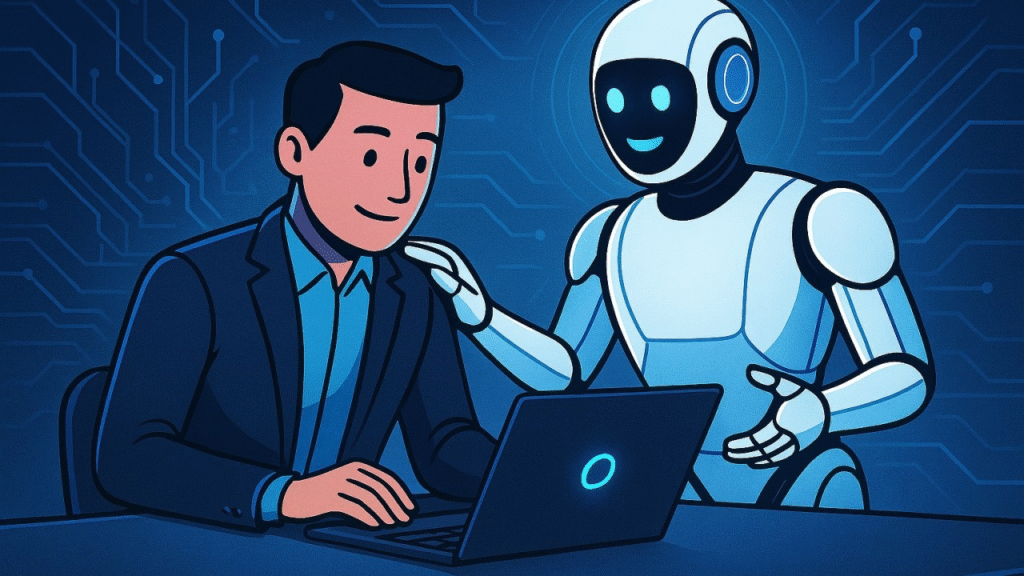
Artificial intelligence has already begun transforming the way people interact with technology. From voice assistants that answer questions to recommendation systems that suggest films, music, and products, AI is quietly becoming part of everyday life. Over the next decade, its role will expand even further.
Instead of replacing human intelligence, AI is increasingly being designed to support it. Professionals in healthcare will use intelligent systems to analyse medical images more quickly, teachers will personalise lessons according to individual learning styles, and businesses will automate repetitive administrative tasks so employees can focus on creative and strategic work.
Consumers will also experience more personalised digital services. Shopping platforms will better understand customer preferences, navigation systems will predict traffic more accurately, and virtual assistants will become capable of handling increasingly complex requests. As these technologies improve, they are expected to save time, improve efficiency, and simplify many aspects of everyday living.
However, responsible development will remain essential. Privacy, transparency, and ethical use of AI will continue to be important topics as society works to balance innovation with trust.
Smart Homes Will Redefine Comfortable Living
The idea of a connected home is becoming more practical each year. Smart devices already allow homeowners to control lighting, security cameras, heating systems, and appliances using their smartphones. Future developments will make these systems even more intelligent by allowing them to communicate with one another automatically.
Imagine waking up to curtains opening gradually, the coffee machine preparing breakfast, and the thermostat adjusting the temperature based on the weather forecast. These experiences may soon become common rather than exceptional.
Smart homes will also help reduce energy consumption. Intelligent systems will monitor electricity usage, automatically switch off unused appliances, and recommend ways to reduce utility bills. Security will improve through advanced facial recognition, motion detection, and real-time alerts that provide homeowners with greater peace of mind.
As technology becomes more affordable, smart homes are expected to become a standard feature rather than a luxury reserved for a small group of consumers.
Healthcare Will Focus on Prevention Rather Than Treatment

Healthcare is moving beyond treating illness after it appears. The future will place much greater emphasis on preventing disease before it develops. Advances in wearable technology, artificial intelligence, and personalised medicine are making this shift possible.
Smartwatches and fitness trackers already collect valuable health information such as heart rate, physical activity, sleep quality, and oxygen levels. Future wearable devices may monitor a much wider range of health indicators, allowing doctors to identify potential problems earlier than ever before.
Personalised medicine will also become increasingly important. Instead of providing identical treatments to every patient, healthcare professionals may use genetic information and lifestyle data to develop customised treatment plans that improve effectiveness while reducing side effects.
Telemedicine is another area expected to continue growing. Virtual consultations allow patients to access healthcare services without travelling long distances, making medical care more convenient and accessible for people living in rural or remote areas.
Sustainable Living Will Shape Consumer Choices
Environmental concerns have become one of the defining challenges of modern society. Climate change, pollution, and resource conservation are encouraging governments, businesses, and individuals to rethink the way they consume energy and produce goods.
Future homes will likely rely more heavily on renewable energy sources such as solar and wind power. Buildings will be designed with energy efficiency in mind, using better insulation, intelligent heating systems, and environmentally friendly construction materials.
Consumers are also becoming more aware of the environmental impact of their purchasing decisions. Companies that demonstrate genuine sustainability efforts are increasingly earning customer trust, while businesses that ignore environmental responsibilities may struggle to remain competitive.
The concept of a circular economy, where products are designed to be reused, repaired, or recycled instead of discarded, is expected to become much more widespread over the coming years.
Education Will Continue to Evolve

Learning is no longer confined to traditional classrooms. Digital education has made knowledge more accessible than ever before, allowing students to learn at their own pace regardless of geographical location. Artificial intelligence will personalised education by
identifying each student’s strengths and weaknesses. Lessons can be adjusted automatically, helping learners spend more time on challenging topics while progressing more quickly through areas they already understand.
Virtual reality and augmented reality may also transform education by creating immersive learning experiences. History students could explore ancient civilisations through realistic simulations, while medical students might practise complex procedures in safe virtual environments.
Continuous learning will become increasingly important as careers evolve alongside technological change. Professionals will regularly update their knowledge through online courses, certifications, and specialised training programmes throughout their working lives.
The Future Workplace Will Value Flexibility
The modern workplace has undergone significant transformation in recent years. Remote work and hybrid employment models have demonstrated that many jobs can be performed effectively outside traditional office environments. Future Trends are transforming the workplace by promoting flexibility, hybrid work models, digital collaboration, and smarter ways of working.
Future workplaces are likely to become even more flexible. Companies will recruit talent from around the world, supported by cloud computing, digital collaboration platforms, and advanced communication technologies.
Automation will continue handling repetitive tasks, allowing employees to focus on problem-solving, innovation, and relationship building. Rather than eliminating jobs entirely, technological progress is expected to reshape many professions by changing the skills required for success.
Adaptability, communication, creativity, and critical thinking will become some of the most valuable qualities in tomorrow’s workforce.
Transportation Will Become Cleaner and Smarter
Transportation is entering a period of remarkable innovation. Electric vehicles are becoming more affordable, charging infrastructure continues to expand, and manufacturers are investing heavily in battery technology that increases driving range while reducing charging times.
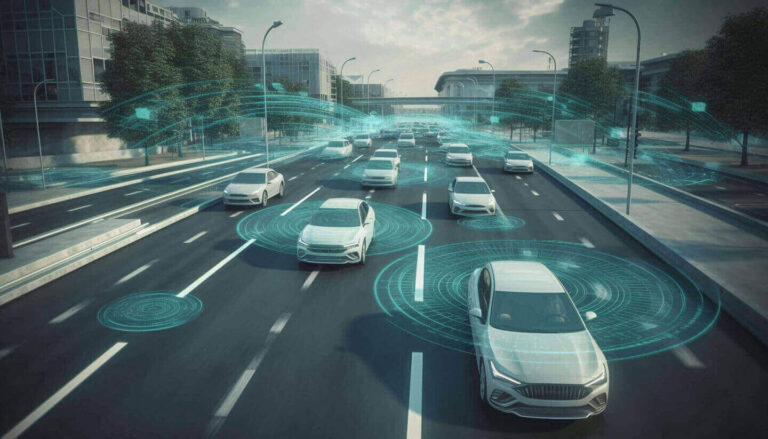
Future Trends are transforming transportation by introducing cleaner energy solutions, electric vehicles, smart mobility systems, and innovative technologies for safer and more efficient travel.
Autonomous driving technology also continues to develop. Although fully self-driving vehicles may still require time before widespread adoption, advanced driver assistance systems are already making roads safer by helping prevent accidents caused by human error.
Cities will increasingly invest in intelligent transportation systems that reduce congestion, improve traffic flow, and encourage environmentally friendly travel options such as cycling and public transport.
These changes will not only improve convenience but also contribute to cleaner air and reduced greenhouse gas emissions.
Digital Finance Will Transform Money Management
Financial technology has already changed how people manage their money. Mobile banking, contactless payments, and digital wallets have simplified everyday transactions while reducing reliance on cash.
Future Trends are transforming digital finance by making money management faster, safer, and more convenient through mobile banking, secure digital payments, and AI-powered financial solutions.
The future will bring even more convenient financial services. Artificial intelligence will provide personalised budgeting advice, identify unusual account activity to prevent fraud, and help consumers make more informed investment decisions.
International payments are expected to become faster and less expensive, benefiting businesses and individuals who operate across different countries.
Security will remain a major priority as financial institutions continue investing in encryption, biometric authentication, and fraud detection technologies to protect customer information.
Cybersecurity Will Become Everyone’s Responsibility


As society becomes increasingly digital, protecting personal information becomes more important than ever. Cyber threats continue evolving, targeting businesses, governments, and individuals alike.
Future cybersecurity strategies will rely heavily on artificial intelligence to detect suspicious activity before attacks cause significant damage. Multi-factor authentication, biometric verification, and advanced encryption will become standard security practices across many digital services.
Public awareness will also improve as digital literacy becomes a more important part of education. Individuals will increasingly understand how to create strong passwords, recognise online scams, and protect sensitive information from cybercriminals.
Future Trends at a Glance
| Trend | Expected Impact | Everyday Influence |
|---|---|---|
| Artificial Intelligence | Improved productivity | Smarter assistants, personalised digital experiences and faster decision-making |
| Smart Homes | Greater convenience | Automated energy management, enhanced security and connected appliances |
| Personalised Healthcare | Better patient outcomes | Wearable devices, remote consultations and tailored treatments |
| Sustainable Living | Lower environmental impact | Renewable energy, greener homes and responsible consumer choices |
| Future Work | Increased flexibility | Hybrid work, cloud collaboration and lifelong learning |
| Digital Education | Better learning access | AI-supported learning, virtual classrooms and immersive education |
| Electric Transportation | Cleaner mobility | Electric vehicles, smarter traffic systems and lower emissions |
| Digital Finance | Simpler money management | Mobile banking, secure digital payments and AI-powered financial planning |
| Cybersecurity | Stronger digital safety | Better data protection, fraud prevention and secure online identities |
Human Creativity Will Remain Essential
Despite rapid technological advancement, people will remain at the centre of progress. Machines can process information quickly and perform repetitive tasks efficiently, but qualities such as empathy, imagination, leadership, and ethical judgement remain uniquely human.
Future Trends highlight the importance of human creativity by combining innovation, technology, and human skills to drive new ideas, solve problems, and create meaningful progress in the future.
The future will likely see closer collaboration between people and technology rather than competition between them. Businesses that combine advanced technology with skilled, creative employees will often achieve the best results.
Innovation succeeds when it improves people’s lives. Whether designing smarter cities, developing life-saving medical treatments, or creating more inclusive educational opportunities, human values will continue guiding technological progress.
Preparing for the Future

Preparing for future trends does not require predicting every invention that will appear over the next decade. Instead, it involves developing a mindset that embraces learning, adaptability, and curiosity.
People who regularly update their skills, remain informed about industry developments, and stay open to new ideas will be better positioned to take advantage of future opportunities. Businesses that encourage innovation and invest in employee development will also be more resilient in an increasingly competitive global economy.
Technology will undoubtedly continue changing many aspects of daily life, but the ability to adapt to change will remain one of the most valuable strengths anyone can develop. “Stay ready for future trends through learning, innovation, and continuous growth”.
FAQs
1. What are future trends?
Future trends are long-term changes in technology, society, and business that shape how people live, work, and interact.
2. How will artificial intelligence affect daily life?|
AI will automate routine tasks, improve healthcare, personalised digital services, and make everyday activities more efficient.
3. Why is sustainable living important?
Sustainable living helps reduce environmental impact by promoting renewable energy, recycling, and eco-friendly practices.
4. What skills are important for the future?
Adaptability, digital skills, critical thinking, creativity, and continuous learning will be essential in the future workplace.
5. How can I prepare for future trends?
Stay updated with new technologies, keep learning new skills, and be open to adapting to changes in your personal and professional life.