
Artificial intelligence has come a long way from being a futuristic idea seen only in science fiction movies to becoming one of the most influential technologies in our daily lives. The latest AI Trends are reshaping the way businesses operate, how people communicate, how we shop online, how we access information, and even how we make important decisions. From smart voice assistants on our phones to advanced AI systems that can create content, analyse massive amounts of data, and automate complex processes, artificial intelligence is driving new innovations across industries. These emerging AI Trends are playing a major role in digital transformation, helping businesses improve efficiency, enhance user experiences, and create smarter solutions for the future.
The rapid growth of AI is not just about machines becoming smarter; it is about creating new possibilities for humans. Companies are using AI to improve efficiency, researchers are using it to solve complex problems, and individuals are using AI-powered tools to save time and increase creativity. As technology continues to evolve, several important AI trends are emerging that are expected to shape the digital world in the coming years.
Understanding these trends is essential for businesses, professionals, and everyday users who want to stay ahead in an increasingly digital environment. AI is not replacing human potential; instead, it is becoming a powerful partner that helps people work smarter, innovate faster, and solve challenges more effectively.
The Rise of Generative AI and Creative Automation
One of the biggest AI Trends transforming the digital landscape is the growth of generative AI. Unlike traditional AI systems that mainly analyse information or follow predefined instructions,
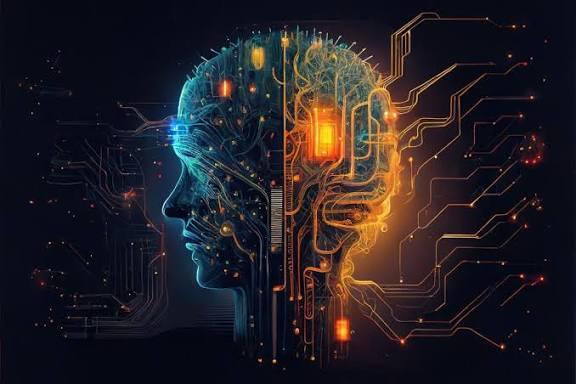
monitor networks, identify unusual behaviour, detect potential threats, images, videos, music, designs, and computer code. Generative AI tools have changed the way people approach creativity and productivity. Writers can use AI to brainstorm ideas, marketers can create campaign concepts, designers can explore visual possibilities, and developers can speed up software creation. Businesses are increasingly adopting these technologies because they allow teams to complete tasks faster while focusing more on strategy and innovation.
The popularity of generative AI and the latest AI shows that the future of technology will involve stronger collaboration between humans and machines. Instead of replacing human creativity, these emerging AI Trends are helping people explore new ideas, improve productivity, and turn concepts into reality more efficiently. By combining human imagination with AI-powered tools, businesses and individuals can create smarter solutions, develop innovative ideas, and unlock new possibilities in the digital world.
AI-Powered Personal Assistants Are Changing Everyday Work
Another major trend is the development of intelligent AI assistants that can support people in both personal and professional environments. Modern AI assistants are becoming more advanced, moving beyond simple question-and-answer functions.
Today’s AI assistants can help users organise schedules, summarise information, prepare documents, analyse data, manage customer requests, and provide personalised recommendations. In workplaces, these tools are helping employees reduce repetitive tasks and spend more time on important activities that require human judgement and creativity.
For businesses, AI assistants can improve customer experiences by providing faster responses and personalised support. For individuals, they can make daily activities more convenient by acting as digital partners that understand preferences and provide useful assistance.
As AI continues to improve, these assistants are expected to become more natural, personalised, and integrated into everyday digital experiences.
AI Is Transforming Search and Information Discovery

The way people find information online is changing because of AI-powered search technology. Traditional search methods often require users to type keywords and browse through multiple results. AI is introducing a more conversational approach where users can ask questions naturally and receive more direct, personalised answers.
AI-driven search systems and the latest AI Trends are changing the way people find and interact with information online. These advanced AI trends allow search systems to understand context, analyse large amounts of information, and provide accurate summaries that help users make decisions faster. This transformation is also influencing how businesses create online content, encouraging them to focus on high-quality, valuable, and user-focused information that aligns with the evolving digital landscape.
Companies and content creators now need to focus on producing valuable, informative, and trustworthy content rather than simply targeting keywords. Search engines are becoming better at recognising quality information, which means businesses must prioritise user experience and genuine value.
This shift represents a major change in digital marketing and online communication, where helpful content will become more important than ever.
The Growth of AI in Healthcare and Medical Innovation
Healthcare is one of the industries experiencing significant transformation through artificial intelligence. AI is helping medical

professionals improve diagnosis, research, patient care, and administrative processes. AI systems can analyse medical images, identify patterns in health data, support drug discovery, and help doctors make more informed decisions. These technologies are helping healthcare providers save time and improve accuracy in many areas.
Another important development is personalised healthcare. AI can analyse individual health information and help create treatment approaches that are more suitable for specific patients. This approach has the potential to improve outcomes and provide more effective care.
Although AI offers many benefits in healthcare, human expertise remains essential. Doctors, researchers, and medical professionals continue to play a critical role in interpreting AI-generated insights and making final decisions.
AI and Automation Are Creating Smarter Businesses
Automation has existed for years, but AI is making it much more intelligent and adaptable. Traditional automation follows fixed instructions, while AI-powered automation can learn from data, recognise patterns, and adjust to changing situations.
Businesses across industries are using AI automation to improve operations. Companies are automating customer service, financial processes, inventory management, marketing activities, and internal workflows.
For small and large businesses, AI automation can reduce costs, improve productivity, and help teams focus on more valuable work. Instead of spending hours on repetitive activities, employees can dedicate their time to problem-solving, creativity, and building stronger customer relationships.
The future of business will likely involve a combination of human decision-making and intelligent automation working together.
The Expansion of AI in Education and Learning

Education is another field being reshaped by artificial intelligence. AI-powered learning platforms are creating more personalised experiences for students by adapting lessons based on individual needs and learning speed.
Students can use AI tools for explanations, practice exercises, research assistance, and skill development. Teachers can use AI to manage administrative tasks, analyse student progress, and create more engaging learning materials.
Personalised learning is one of the most promising benefits of AI in education. Instead of using a single teaching approach for everyone, AI can help provide customised support that matches each learner’s strengths and challenges.
As digital education continues to grow, AI will play an increasingly important role in making learning more accessible and flexible.
Responsible AI and the Importance of Ethical Technology
As AI becomes more powerful, responsible development has become a major focus. While AI offers many opportunities, it also creates important questions about privacy, fairness, security, and transparency.
Organisations are now paying greater attention to ethical AI practices. They are working to ensure that AI systems are designed responsibly, use data securely, and avoid unfair outcomes.
Building trust is essential for the continued growth of artificial intelligence. Users need confidence that AI systems are reliable, transparent, and designed with human interests in mind.
The future of AI will not only depend on technological progress but also on how responsibly society chooses to develop and use these systems.
AI Is Revolutionising Cybersecurity

With the increase in digital activity, cybersecurity has become more important than ever. Artificial intelligence is playing a growing role in protecting individuals and organisations from cyber threats. AI-powered security
systems can monitor networks, identify unusual behaviour, detect potential threats, and respond quickly to suspicious activities. This ability allows security teams to address risks before they become serious problems.
At the same time, cybercriminals are also exploring AI technologies, which means cybersecurity professionals must continue developing stronger defence strategies.
The relationship between AI and cybersecurity will continue to evolve as organisations look for smarter ways to protect sensitive information in a connected world.
The Rise of AI Adoption Among Small Businesses
In the past, advanced technologies like AI were often associated with large companies that had significant resources. Today, affordable AI tools are making these technologies available to small businesses as well.
Small business owners are using AI for marketing, customer support, financial management, content creation, and business analysis. These tools allow smaller companies to compete more effectively and improve their operations without requiring large technology teams.
AI adoption among small businesses is expected to continue growing as more accessible solutions become available. Companies that understand how to use AI effectively will have opportunities to improve efficiency and provide better customer experiences.
Human and AI Collaboration Will Define the Future
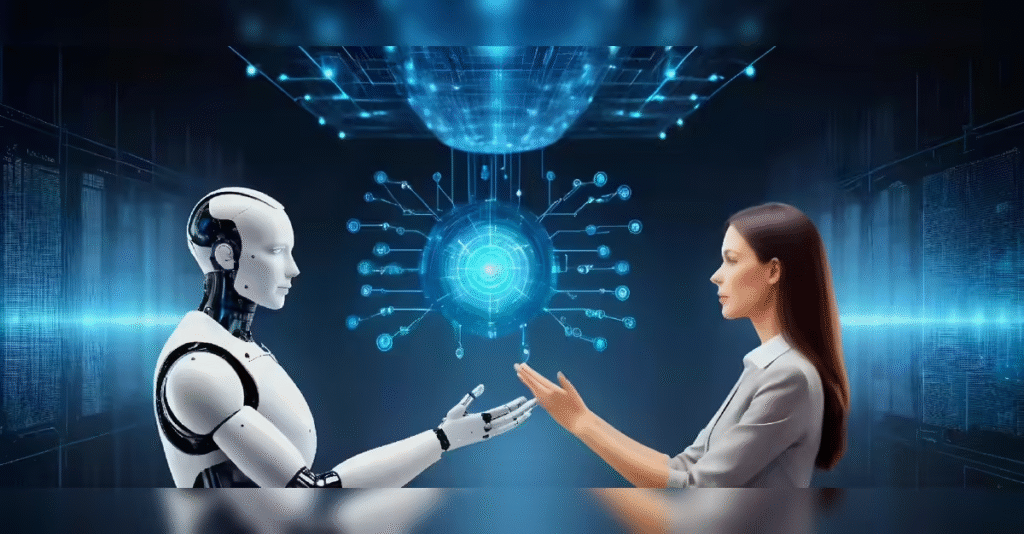
One of the most important AI trends is the growing focus on collaboration between humans and artificial intelligence. The future is not simply about machines performing tasks independently; it is about creating partnerships where humans and AI bring out the best in each other.
Humans provide creativity, emotional understanding, critical thinking, and strategic decision-making. AI provides speed, data analysis, automation, and pattern recognition. Together, they can achieve results that neither could accomplish alone.
Professionals who learn how to work effectively with AI tools will likely have a strong advantage in the future workplace. Developing digital skills and understanding AI capabilities will become increasingly valuable across industries.
FAQ’s
1. What are the latest AI trends shaping the digital world?
The latest AI trends include generative AI, AI-powered automation, intelligent assistants, AI-driven cybersecurity, and personalised digital experiences. These technologies are transforming how businesses and individuals use technology.
2. How is generative AI changing the way people work?
Generative AI helps people create content, analyse information, automate tasks, and improve productivity. It acts as a creative partner that supports faster and smarter decision-making.
3. Will AI replace human jobs in the future?
AI is more likely to change the way people work rather than completely replace humans. It helps automate repetitive tasks while allowing people to focus on creativity, strategy, and problem-solving.
4. Why is responsible AI important for businesses?
Responsible AI ensures that technology is used ethically, securely, and fairly. Businesses need to focus on privacy, transparency, and reducing risks while adopting AI solutions.
5. How can small businesses benefit from AI technology?
Small businesses can use AI for marketing, customer support, data analysis, and automation. AI tools help them save time, improve efficiency, and compete in the digital marketplace.