
Let’s be real about traditional Indian ethnic clothes for a second: for a long time, putting them on felt like an absolute ordeal.
Remember those heavy dupattas held together by like twelve safety pins poking straight into your shoulder? Or those lehenga skirts so loaded with netting and stiff embroidery that just getting into a cab required a team strategy? And those silk blouses sewn so tight under the arms you couldn’t even reach for a samosa without worrying about ripping a seam?
For years, most of these gorgeous clothes just sat locked away in suitcases under the bed, coming out maybe twice a year when a big family wedding or Diwali forced us to dress up.
Luckily, nobody has time for that anymore.
A really nice shift has happened recently. Ethnic wear has finally escaped the “wedding-only” trap and leaked into our everyday lives. You see people wearing simple kurtas to Sunday coffee runs, draping lightweight sarees for normal workdays, or throwing a chikankari jacket over a plain white tee for dinner dates.
Nobody wants to look like an uncomfortable statue in a wedding magazine anymore. We just want to look good, feel relaxed, and actually be able to sit, breathe, and eat dinner without feeling trapped in our own clothes.
If you’ve been wanting to wear your ethnic pieces more often without looking like you missed the turn to a sangeet function, here’s how to style them for actual real-life routines.
1. Ease Up on the Colors
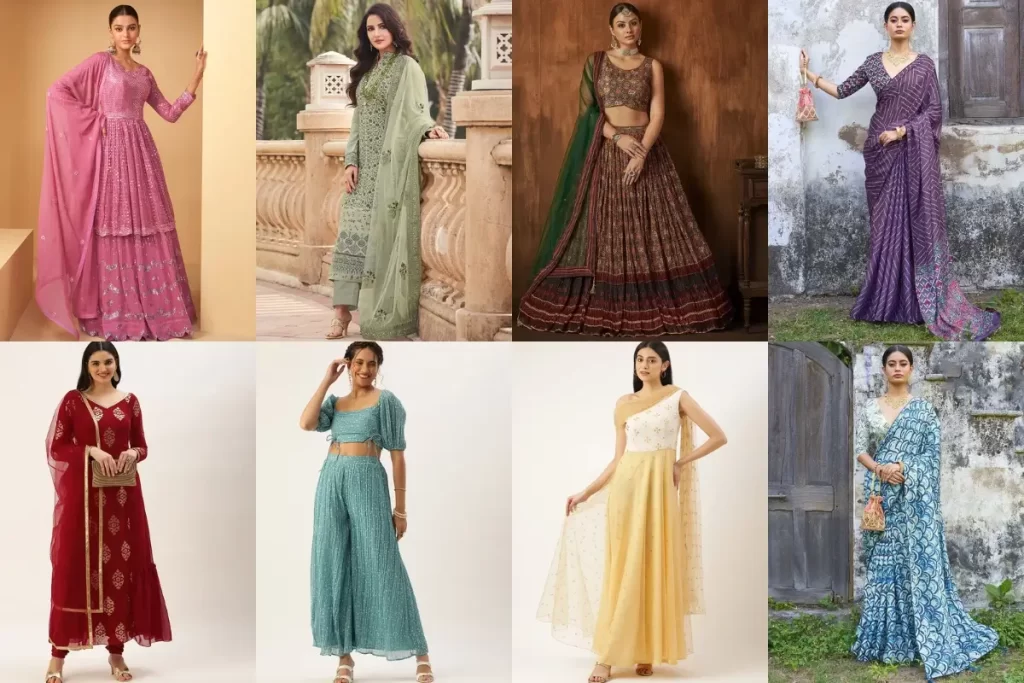
If an outfit feels too intense for a regular Tuesday afternoon, 90% of the time it’s because of the color.
Classic occasion wear was built on blinding neons, deep bridal reds, and heavy, reflective gold zari. That stuff looks amazing under event lights at night, but if you’re just meeting a friend for lunch or walking into an office, it can feel like a bit much.
If you want an ethnic outfit to feel casual and modern, go for colors that feel quiet:
- Earthy, muted tones: Think dusty rose, soft terracotta, sage green, warm beige, or dull rust.
- Soft sky shades: Powder blue, pale lavender, light mint, or washed gray.
- Low-key shine: Brushed silver, antique brass, or matte champagne instead of bright yellow gold.
When the color isn’t screaming for attention, you start noticing the actual texture of the fabric—the raw slub of handloom cotton, the soft crumple of linen, or the dull sheen of tissue silk. It looks effortless, like you just threw it on and walked out the door.
2. Ditch the Blouse that Came with Your Saree
The saree is easily one of the coolest garments ever created, but the traditional way of wearing it can make you look a bit stiff and formal. The fastest way to fix that is to throw away the exact matching blouse piece that came with the saree.
Instead, go look through your regular everyday closet:
- Grab a plain white button-down shirt: Tuck it in, roll up the sleeves to your elbows, and drape your pallu over it. It looks super sharp, takes two minutes, and instantly turns a saree into an actual outfit you can wear anywhere.
- Use a simple ribbed tank or crop top: On hot days, a basic fitted ribbed tank, a high-neck crop top, or even a casual bodysuit gives the drape a clean line without feeling fussy.
- Throw a blazer on top: Putting a relaxed, unbuttoned blazer over a draped saree completely bridges the gap between classic heritage and modern workwear.
And if you’re worried about the drape falling apart while you’re walking around, wrap a thin leather belt around your natural waist right over the pallu. It anchors the whole thing down so you aren’t tugging at your shoulder every five minutes.
3. Strip the Bulk Out of Your Lehengas
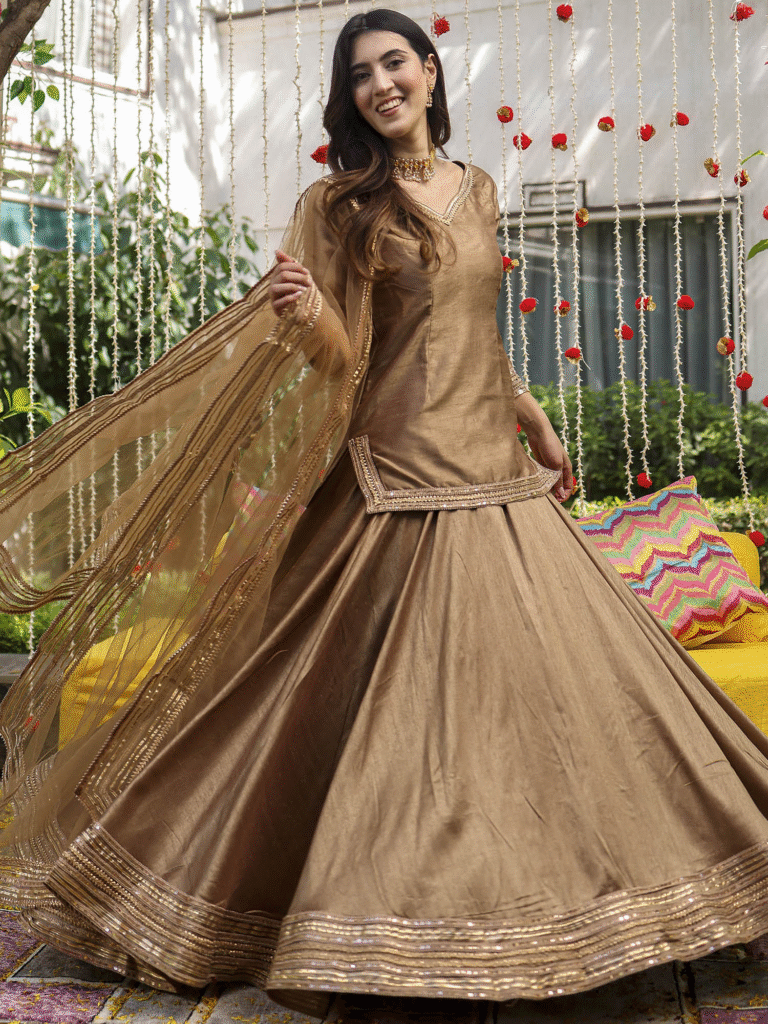
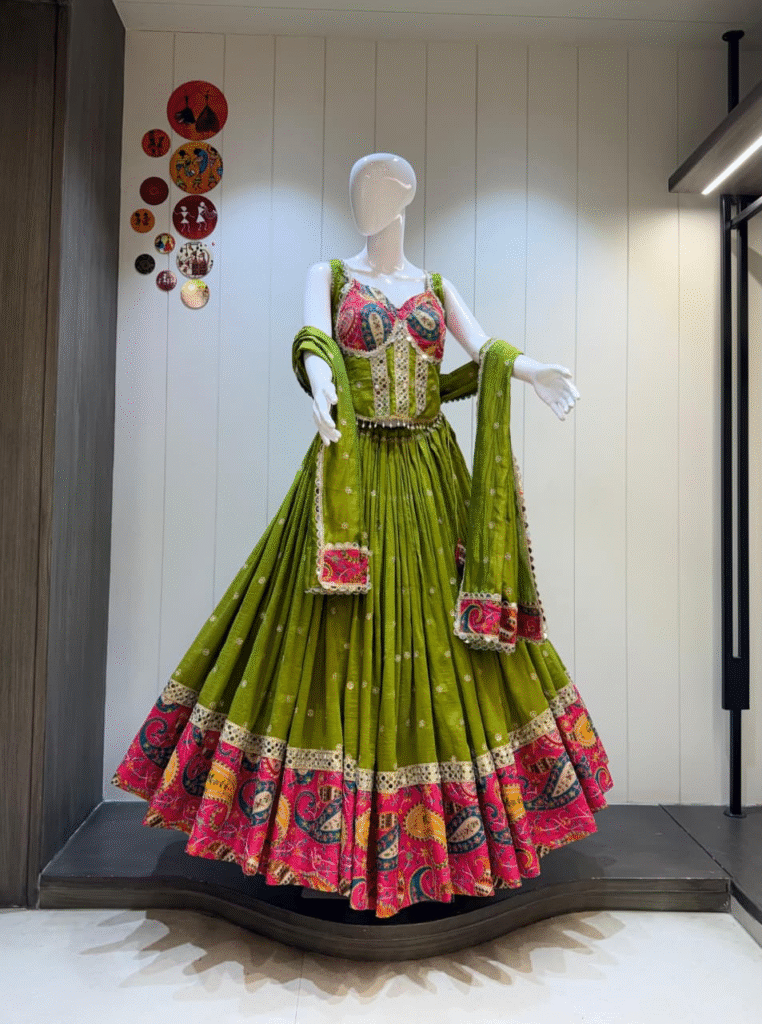
A flared skirt looks great, but all those layers of heavy canvas stiffening and scratchy netting underneath can make walking feel like a chore. The modern way to wear a lehenga is to get rid of all that extra weight so the fabric actually moves when you step.
- Wear a kurta instead of a tiny top: Skip the short choli and wear a long, sleek kurta with high side slits right over your skirt. It gives you a long, continuous line that looks super chic and hides any awkward waist gaps.
- Drop the dupatta: Managing a heavy mesh drape while trying to balance a plate of food at a party is just frustrating. If the dupatta feels annoying, literally leave it at home. Throw a lightweight, floor-length sheer jacket or cape over your shoulders instead. Your hands stay free, and you still get that sweeping look when you walk.
4. Break Up Your Suit Sets
We’ve all been taught to wear suit sets as a complete matching package. But wearing the exact same print and fabric on your top, bottom, and dupatta can sometimes feel a bit matchy-matchy.
- Get wide-leg bottoms: Swap tight, bunchy churidars for wide-leg palazzos, loose culottes, or pleated sharara pants. Palazzos feel as comfortable as wearing sweatpants, but they instantly balance out a simple short tunic.
- Mix ethnic pieces with basic clothes: Don’t be afraid to split up your sets. Wear a nice silk embroidered tunic over your favorite straight-leg blue jeans. Or take a pair of printed block-print dhoti pants and wear them with a plain crew-neck white tee and a silver cuff. Mixing traditional handloom fabrics with basic denim or jersey tees grounds the whole look immediately.
5. The “Rule of One” for Accessories
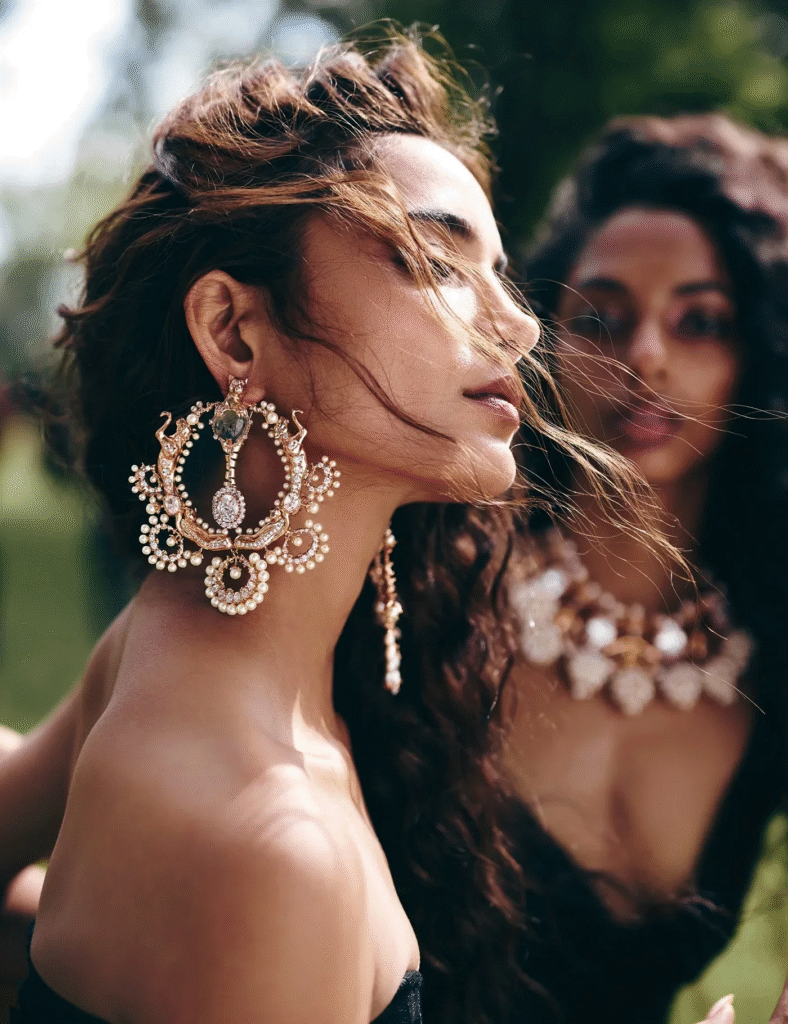
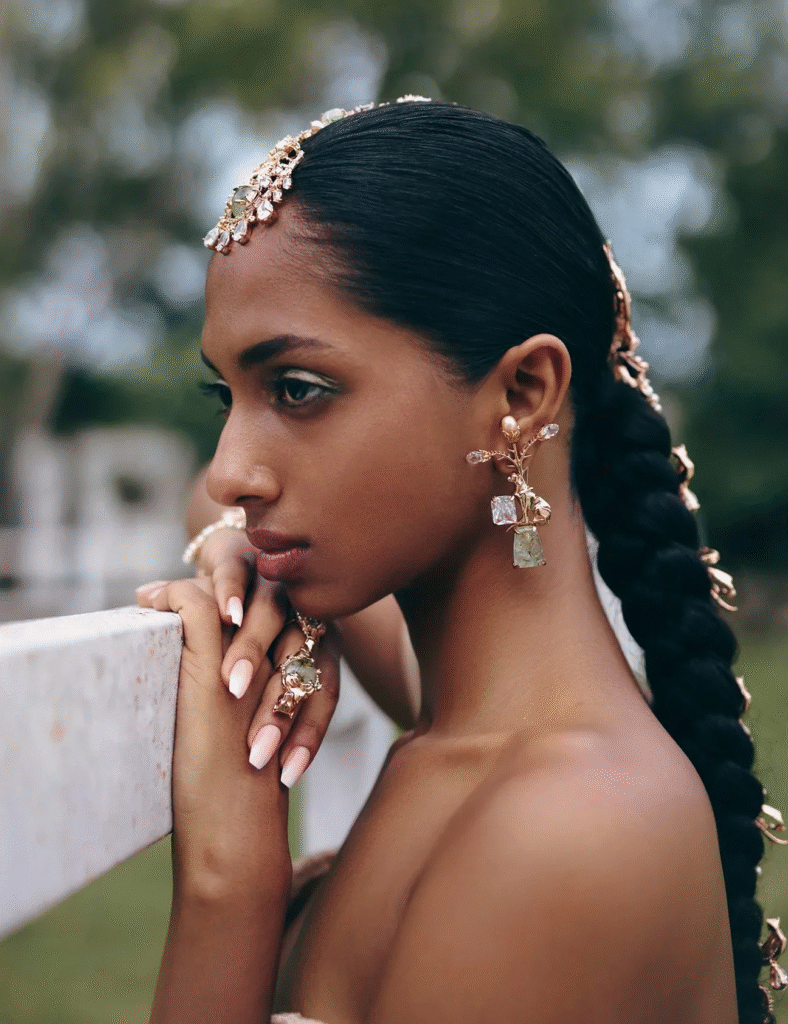
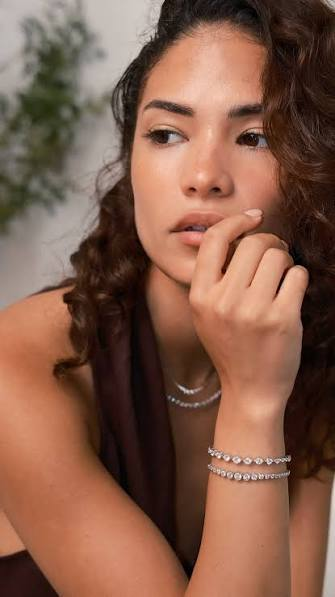
The fastest way an ethnic look goes from “cool and casual” to “overdressed” is over-accessorizing. We’re so used to putting on the matching necklace, matching earrings, bangles, and embellished shoes all at the same time.
If you’re wearing ethnic clothes casually, pick one focal point and leave everything else clean:
- Wearing big jhumkas? Put on those huge silver oxidized earrings and don’t wear anything on your neck at all.
- Love bangles? Stack a few silver or wooden bangles on just one wrist and keep your ears and neck plain.
- Rethink your shoes: You don’t have to wear stiff flat juttis that give you blisters on your heels. Style a loose palazzo suit or an ethnic midi dress with simple leather slides, low block heels, or even a pair of clean white sneakers.
The 5 Basics Worth Having
You don’t need a massive closet overflowing with clothes to make this work. A good modern ethnic wardrobe really just comes down to five easy pieces you can mix and match forever:
- A plain, lightweight saree in a soft neutral tone (like sage, beige, or pale rose) that works with a tee or a formal top.
- A solid fitted crop top or corset that pairs equally well with a saree drape, a flared skirt, or high-waisted jeans.
- Off-white wide-leg palazzos in good cotton or linen that go with almost every tunic you own.
- A sheer duster jacket that you can throw over a basic tank-and-trousers combo to make it look special.
- A soft cotton ethnic dress with simple block printing that you can just throw on with flat sandals and head out the door.
At the end of the day, your clothes should fit into your actual life—not the other way around. Modern ethnic wear isn’t about following strict rules or dressing for approval. It’s just about taking beautiful fabrics, rich colors, and amazing traditional craft, and wearing them in a way that lets you sit comfortably, walk easily, and feel completely like yourself.
FAQ’S
Q: Is it weird to wear a saree to a normal weekday lunch or work?
A: Not at all! Just wear it with a basic tee or button-down shirt instead of a heavy blouse, and keep the jewelry super simple.
Q: How can I reuse a heavy wedding lehenga without looking like the bride?
A: Rip out that scratchy netting underneath, ditch the dupatta, and throw a plain white crewneck tee on top.
Q: What shoes go with Indian clothes if I hate juttis giving me blisters?
A: Honestly, just wear flat leather slides or clean white sneakers—they look surprisingly cool with palazzos and dresses.
Q: How do I stop my suit sets from looking old-fashioned?
A: Throw away the tight churidars, get some wide-leg palazzos, or just wear your kurtas over your favorite pair of blue jeans.
Q: What’s the fastest trick to make a plain kurta look cool on a busy morning?
A: Roll the sleeves up to your elbows, put on one pair of big silver earrings, and skip all other jewelry.