
Sunscreen is often treated as a beach-day essential, but its importance goes far beyond sunny vacations. Daily sun exposure, even during routine activities like walking or driving, can gradually damage the skin. Regardless of age, gender, or skin type, sunscreen plays a critical role in maintaining healthy skin and preventing long-term problems.
Understanding why sunscreen matters can help you make better choices for your skin’s present and future.
Protects the Skin from Harmful UV Rays
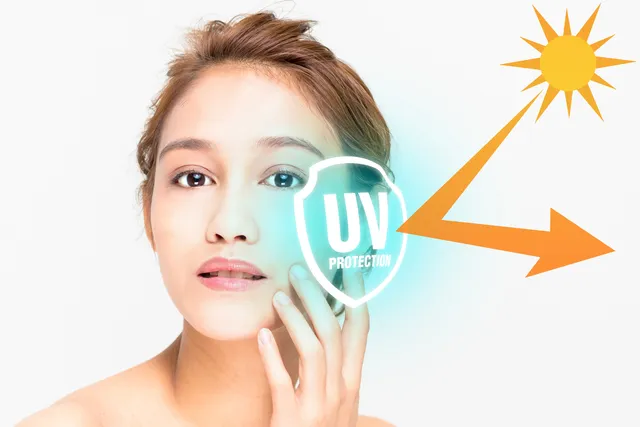
The sun emits ultraviolet (UV) rays that can penetrate the skin and cause damage at a cellular level. These rays are present even on cloudy days and during winter.
Sunscreen acts as a protective barrier by absorbing or reflecting UV radiation, reducing the risk of skin damage caused by prolonged exposure. This protection is essential for all skin tones, as UV damage affects everyone.
Helps Prevent Sunburn and Skin Irritation
Sunburn is one of the most immediate signs of sun damage. Redness, pain, peeling, and inflammation are not only uncomfortable but also harmful to the skin.
Regular sunscreen use helps:
- Reduce redness and inflammation
- Prevent painful burns
- Protect sensitive skin from irritation
This is especially important for people with fair, sensitive, or acne-prone skin.
Reduces the Risk of Premature Aging
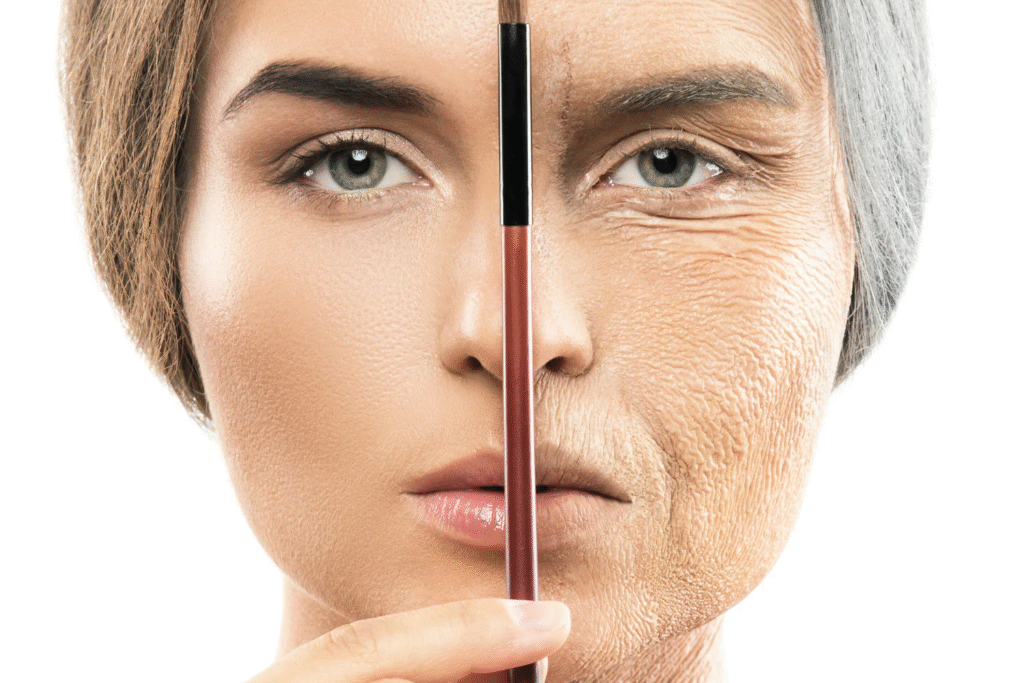
One of the most visible benefits of sunscreen is its role in slowing premature aging. Prolonged sun exposure breaks down collagen and elastin, leading to wrinkles, fine lines, and sagging skin.
Using sunscreen consistently helps:
- Maintain skin elasticity
- Reduce fine lines and wrinkles
- Prevent uneven skin texture
Healthy, youthful-looking skin is easier to maintain with daily sun protection.
Lowers the Risk of Skin Cancer
One of the most important reasons to wear sunscreen is skin cancer prevention. Long-term exposure to UV rays increases the risk of developing different types of skin cancer.
Sunscreen helps reduce this risk by limiting UV penetration into the skin. While it does not eliminate risk entirely, it is a critical part of a comprehensive sun-protection routine.
Prevents Dark Spots and Uneven Skin Tone

Sun exposure can trigger pigmentation issues such as dark spots, melasma, and uneven skin tone. These concerns affect all skin types, including darker skin tones.
Consistent sunscreen use helps:
- Prevent new dark spots
- Protect existing pigmentation from worsening
- Support a more even complexion
This makes sunscreen especially important for anyone focused on long-term skin clarity.
Suitable for All Skin Types
Modern sunscreens are formulated to suit a wide range of skin types, including oily, dry, sensitive, and acne-prone skin.
Options include:
- Lightweight gels for oily skin
- Moisturizing formulas for dry skin
- Mineral sunscreens for sensitive skin
Choosing the right formula ensures protection without discomfort or breakouts.
Supports Overall Skin Health

Healthy skin is not just about appearance. Sunscreen helps maintain the skin’s natural barrier, protecting it from environmental stressors and inflammation.
When used daily, sunscreen supports:
- Stronger skin barrier function
- Reduced sensitivity
- Long-term skin resilience
It works best when combined with proper cleansing, moisturizing, and hydration.

Jackets for Men: How to Style Casual Jackets for Everyday Wear
A casual jacket is one of those pieces you do not really appreciate until you…

15 Outdoor Decor Ideas for a Beautiful and Cozy Backyard
A backyard does not have to look like something from a home magazine to feel…

15 Easy Ways to Tame Frizzy Hair and Make It Smoother
There is a very specific kind of frustration that comes with frizzy hair. You wash…

How to Choose the Best Kitchen Appliances for Your Home
A kitchen has a funny way of becoming the busiest room in the house. You…
How to Treat Acne: Simple Tips for Clearer Skin
There is almost nothing more infuriating than waking up, walking into the bathroom, looking in…

The Ultimate Kitchen Essentials Buying Guide: What You Really Need
If you are setting up your first real kitchen, tearing down a cluttered nightmare of…
Final Thoughts
Sunscreen is not optional skincare; it is a daily necessity. Regardless of your skin type or lifestyle, protecting your skin from sun damage helps preserve its health, appearance, and strength over time. Making sunscreen a daily habit is one of the simplest yet most effective steps you can take for long-term skin care.
This content is intended for informational purposes only and should not be considered medical advice. For personalized skincare recommendations or concerns, consult a qualified dermatologist or healthcare professional.
#sunscreenbenefits #skincareeducation #sunprotection #healthyskin #skincaretips #uvprotection #dailyskincare #Anslation #Carrerbook