
Alzheimer’s disease and dementia are growing global health concerns, especially as populations age. Now, a major scientific study offers new hope. According to new research, people who participated in brain speed training experienced a 25% lower risk of developing Alzheimer’s disease or related dementias. This study is especially significant because it is the world’s first long-term randomised controlled trial to directly examine dementia diagnosis as an outcome.
Why Brain Training Was Controversial
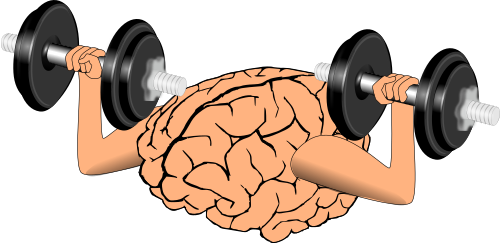
For years, brain training programs have been surrounded by debate. While early enthusiasm suggested these games could prevent cognitive decline, many companies were later criticised for overstating their benefits. In 2014, dozens of scientists publicly argued that there was no solid evidence that brain training improved real-world brain health. This new research, however, challenges those doubts by showing that specific types of cognitive training can deliver meaningful long-term benefits.
How the 20-Year Study Was Conducted
The study followed 2,832 adults aged 65 and older over a period of 20 years. Participants were randomly assigned to one of four groups: speed training, memory training, reasoning training, or a control group.
Those in the speed-training group completed a computer-based task designed to improve processing speed, attention, and visual awareness. Some participants also received booster sessions in later years, and this group showed the strongest protective effect against dementia.
Why Speed Training Made the Difference
Results showed that only participants who completed speed training with booster sessions experienced a 25% reduction in Alzheimer’s and dementia risk. Memory and reasoning training did not produce a significant change. Researchers believe speed training works through implicit learning—a type of learning that occurs without conscious effort and leads to long-lasting changes in brain function.
Building Brain Reserve for Long-Term Protection
One possible explanation is that speed training helps build brain reserve, meaning the brain develops stronger neural connections and greater flexibility. This reserve allows the brain to cope better with age-related damage, delaying the point at which symptoms of Alzheimer’s appear. This may explain why some individuals show signs of Alzheimer’s in the brain but never develop dementia symptoms.
What Experts Say—and Why Caution Still Matters
Many neuroscientists have praised the study for its rigorous design and 20-year follow-up. However, some experts advise cautious interpretation, noting that multiple outcomes were measured over time. Even so, the findings strongly suggest that speed-based cognitive training could play an important role in future dementia-prevention strategies.
What This Means for Everyday Life
The takeaway is not that everyone should rely solely on brain-training apps. Instead, experts recommend engaging in activities that involve speed, attention, and learning, such as:
- Learning a new sport or skill
- Playing music or practicing a craft
- Engaging in fast-paced or strategy-based activities
These experiences activate implicit learning and may help maintain long-term brain health
Conclusion: Science Offers New Hope
This research provides compelling evidence that brain speed training can reduce Alzheimer’s risk by 25% when done correctly and consistently. While there is still no cure for dementia, strategies that delay or reduce risk can significantly improve quality of life. Keeping the brain active, challenged, and engaged may be one of the most powerful tools we have for healthy aging.
Frequently Asked Questions
Q1. What is brain speed training?
Brain speed training involves cognitive exercises that improve reaction time, attention, and visual processing speed.
Q2. Can brain training prevent Alzheimer’s completely?
No. The study shows that it can reduce risk and delay onset, not completely prevent or cure the disease.
Q3. Why didn’t memory training show the same benefits?
The study found that memory and reasoning training did not significantly reduce dementia diagnosis rates.
Q4. Why were booster sessions important?
Participants who received booster sessions showed the strongest results, suggesting a dose-dependent effect.
Q5. Is brain speed training useful for younger adults?
Experts believe that challenging the brain early in life may help reduce the risk of cognitive decline later on.
#BrainSpeedTraining #AlzheimersResearch #Carrerbook #Anslation #DementiaPrevention #BrainHealth #CognitiveTraining #Neuroscience #HealthyAging #MentalFitness #ScienceNews #BrainReserve