
Healthy and shiny hair is not just about appearance—it reflects proper care, good nutrition, and a consistent routine. While many people depend on expensive products, the real secret lies in understanding your hair and maintaining simple, effective habits over time.
Understanding Your Hair Needs
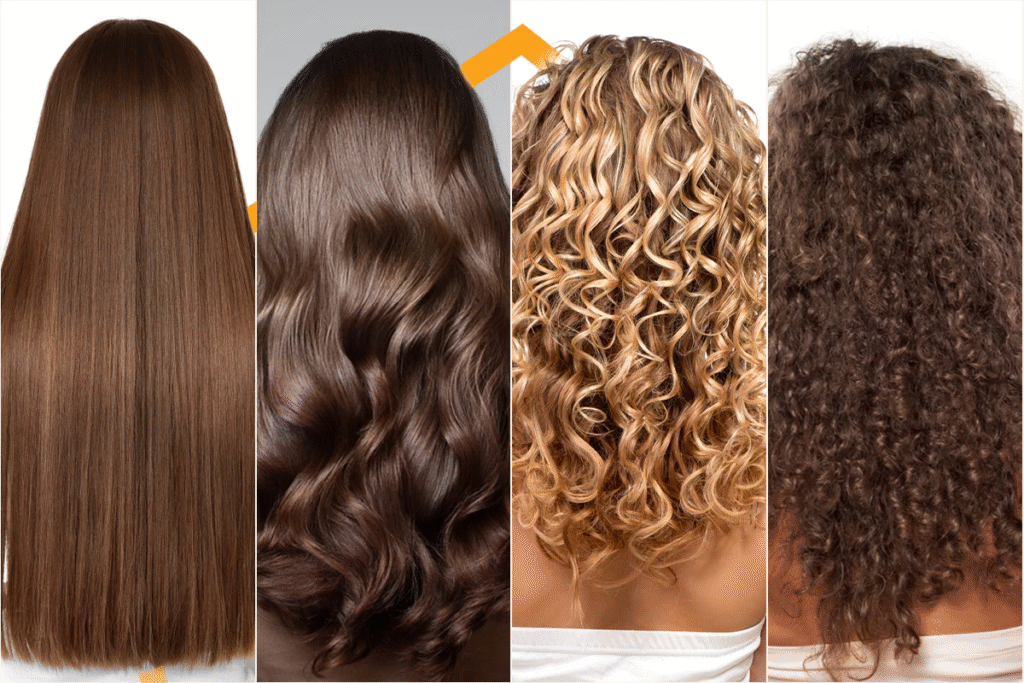
Every hair type has different requirements, and recognizing yours is the first step toward better hair care. Some people have oily hair that needs frequent cleansing, while others have dry or curly hair that requires extra moisture and nourishment. Using the right products according to your hair type helps prevent common issues like dryness, frizz, and hair fall.
Building an Effective Hair Care Routine
A proper routine doesn’t need to be complicated, but it must be consistent to show results. Taking care of your hair regularly improves its strength, texture, and shine.
- Wash your hair 2–3 times a week using a mild shampoo
- Always apply conditioner to keep hair smooth and manageable
- Oil your hair once or twice a week for deep nourishment
- Use a hair mask weekly to repair damage and add softness
Following these basic steps can make a noticeable difference over time.
Importance of Natural Care
Natural ingredients are highly beneficial for maintaining healthy hair. They are gentle, effective, and free from harsh chemicals that can damage your hair in the long run.
- Coconut oil helps in deep conditioning and adds shine
- Aloe vera soothes the scalp and reduces dandruff
- Eggs provide protein that strengthens weak hair
- Onion juice promotes hair growth
- Curd improves softness and hydration
Regular use of these ingredients can naturally enhance hair quality.
Role of Diet in Hair Health
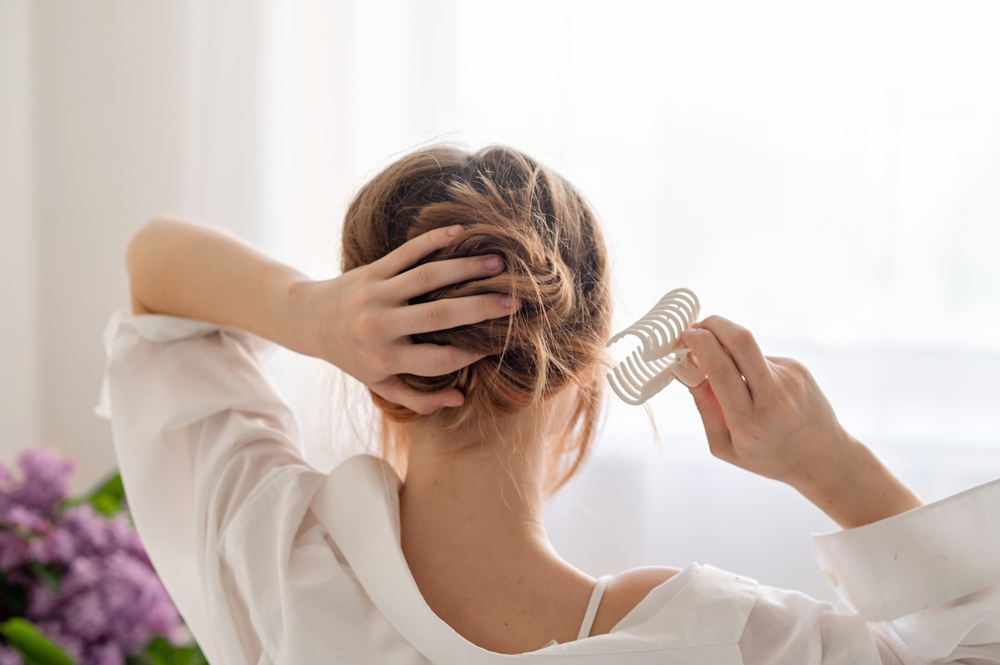
Hair health is closely connected to your overall diet. Without proper nutrition, even the best hair care routine may not give desired results. Including protein-rich foods, fresh fruits, vegetables, and staying hydrated helps strengthen hair from the roots and improves its natural shine.
Common Mistakes to Avoid
Many people damage their hair unknowingly through everyday habits. Avoiding these mistakes is essential for maintaining healthy hair.
- Overwashing, which removes natural oils
- Excessive use of heat styling tools
- Skipping conditioner
- Brushing wet hair roughly
- Using harsh chemical-based products
Being mindful of these habits can prevent long-term damage.
Tips for Healthy and Shiny Hair
Simple lifestyle changes can greatly improve the look and feel of your hair.
- Rinse with cold water to enhance shine
- Trim regularly to prevent split ends
- Limit the use of heat styling tools
- Use a silk or satin pillowcase to reduce friction
- Protect hair from sun and pollution
Seasonal Hair Care
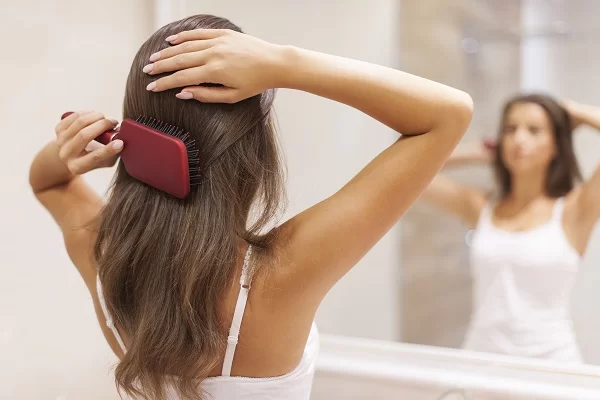
Hair care needs change with the seasons, so adjusting your routine is important. In summer, focus on keeping your scalp clean and fresh. During winter, increase hydration and oiling to prevent dryness. In the monsoon season, maintaining scalp hygiene becomes essential to avoid infections and hair fall.
FAQs
1. How often should I wash my hair?
Washing your hair 2–3 times a week is ideal for most hair types. However, if you have very oily hair, you may need to wash it more frequently, while dry hair requires less frequent washing.
2. What is the best oil for healthy hair?
Coconut oil is one of the best options for deep nourishment. You can also use oils like almond oil or castor oil depending on your hair needs.
3. Can natural ingredients really improve hair health?
Yes, natural ingredients like aloe vera, eggs, and curd can strengthen hair, improve shine, and promote healthy growth when used regularly.
4. Why does my hair look dull and lifeless?
Dull hair can be caused by lack of moisture, excessive heat styling, poor diet, or product buildup. Proper conditioning and hydration can help restore shine.
5. Is it okay to use heat styling tools regularly?
Frequent use of heat styling tools can damage your hair and lead to dryness and breakage. It’s best to limit their use and always apply a heat protectant.