
Let’s be honest for a second: celebrities launching fashion products isn’t exactly a new idea. For decades, the Hollywood playbook was pretty straightforward. A famous face would sign a contract, pose for a sleek billboard holding a perfume bottle, collect a massive check, and call it a day. Most of us saw right through it. We knew they probably didn’t use the stuff themselves, and once the advertisement campaign wrapped up, everyone moved on.
Fast forward to 2026, and the landscape has completely shifted.
A-listers aren’t just lending their faces to other people’s fashion companies anymore; they are stepping into boardroom seats as active founders, creative directors, and chief product testers. They are building massive, multi-million (and sometimes billion) dollar fashion, beauty, and lifestyle empires that are completely shaking up traditional retail.
Why? Because they stopped treating their followers like an easy cash grab and started listening to what real people actually need in their daily lives. They took a hard look at an industry full of overpriced items, limited shade ranges, toxic chemicals, and unrealistic body standards, and decided to fix it themselves.
Here is a deep, down-to-earth look at 10 celebrity-owned brands that are genuinely changing the game, how they pulled it off, and why shoppers keep coming back for more.
1. Fenty Beauty by Rihanna
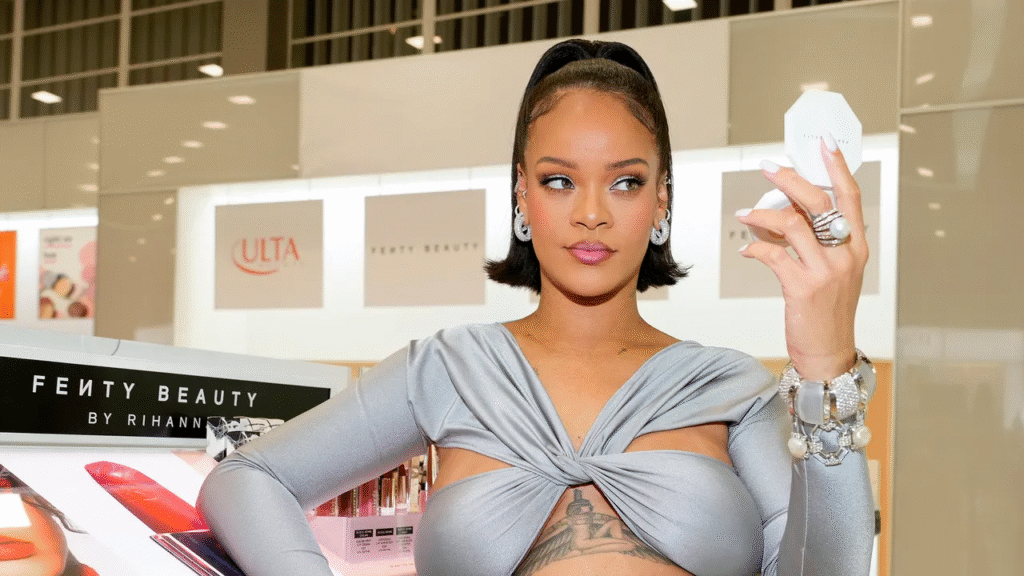
When Rihanna dropped Fenty Beauty back in 2017, she didn’t just release another makeup line—she practically rewrote the rules for the entire cosmetics industry overnight.
THE “FENTY EFFECT”
BEFORE FENTY ──► 10-15 standard shades; deeper tones
frequently ignored or treated as afterthought│
AFTER FENTY ──► 50 truly inclusive shades; sets new
global industry baseline for all brands
Growing up and working in the entertainment industry, Rihanna experienced firsthand how ridiculously hard it was to find makeup that matched dark skin tones without looking ashy or orange. Instead of waiting for legacy beauty giants to wake up, she launched Fenty with an unprecedented 40 foundation shades (which has since grown to 50).
It triggered what people in the industry now call “The Fenty Effect.” Suddenly, every major beauty company had to expand their shade ranges just to stay relevant. But what makes Fenty stick isn’t just the product count—it’s the heart behind it. Fenty’s campaigns consistently celebrate people of all ethnicities, genders, skin tones, and body shapes naturally, without making it feel like a forced corporate diversity checklist.
- Why it works: Rihanna built inclusivity directly into the product formula from day one rather than adding it on as an afterthought later.
2. Anomaly Hair Care by Priyanka Chopra Jonas
When Priyanka Chopra Jonas entered the beauty market, she noticed a huge gap that most celebrity founders ignored. High-end, clean hair products were ridiculously expensive, while cheap drugstore options were often packed with harsh chemicals and wrapped in layers of single-use plastic.
THE ANOMALY TRADE-OFF
Traditional Brands ➔ $30+ price tag (Fancy bottle focus)
Anomaly Model ➔ ~$6 price tag (Trash bottle focus)
↳ Clean, high-grade formula inside
Priyanka decided to flip that model upside down. Anomaly offers gender-neutral, high-performance hair care—shampoos, deep conditioners, and masks—for around six dollars a bottle. How? By radically cutting back on what they spent on packaging. The bottles are literally made from 100% recycled ocean and landfill waste. They look simple, feel light, and can be recycled all over again when you’re done.
Priyanka’s point was simple: nobody should have to pay a fortune or ruin the planet just to have healthy, great-looking hair.
- Why it works: It strips away the unnecessary luxury markup and gives everyday people premium, eco-friendly formulas at a price that actually makes sense.
3. Kylie Cosmetics by Kylie Jenner
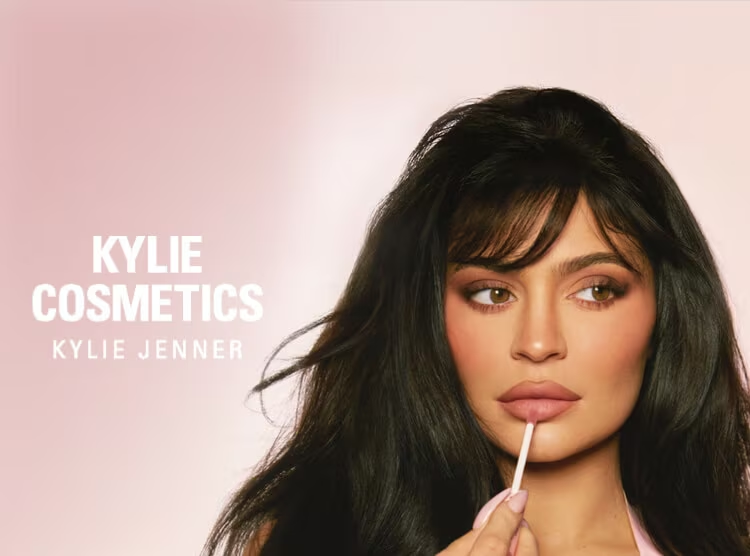
Love her or hate her, Kylie Jenner completely re-engineered how products are sold to the modern digital generation. Launching in 2015 when she was only 18, Kylie took her famous lip kits straight to her millions of social media followers without asking permission from traditional retail stores or magazine editors.
THE DIGITAL DROP FLYWHEEL
[ Casual Social Teaser ] ──► Builds instant organic hype
↓
[ Direct Online Drop ] ──► Sells out in minutes (Scarcity)
↓
[ Real-time Feedback ] ──► Fast product tweaks & expansion
Her first batch sold out in less than a minute, literally crashing the website. But her long-term success wasn’t just luck or fame—it came from understanding how young, tech-savvy people talk and shop. She used Snapchat and Instagram like a diary, showing unfiltered video tests, swatch reviews, and behind-the-scenes peaks at product development.
That direct link created an incredible sense of exclusivity and urgency. Over the years, she grew that original lip kit into an e-commerce giant spanning makeup, skincare, and fashion lines like Khy.
- Why it works: She turned personal social media interactions into a direct line to her customers, cutting out the middleman entirely.
4. Rare Beauty by Selena Gomez
When Selena Gomez announced Rare Beauty in 2020, a lot of people wondered if the world really needed another celebrity makeup line.But Selena wasn’t trying to sell flawless perfection; she wanted to build a brand that directly challenged unrealistic beauty standards.
RARE BEAUTY’S THREE PILLARS
1. Weightless Formulas → Easy to apply with fingers
2. Raw Social Content→ Real skin texture, zero filters
3. Built-In Mission → 1% of sales to mental health
Having lived in the public eye since childhood, Selena has been candid about her personal struggles with mental health, lupus, and body image. Rare Beauty became an extension of that openness. The products—like the viral Soft Pinch Liquid Blush—are designed to be lightweight, easy to apply, and flattering without caking over your natural features, making them a natural part of fashion and beauty.
Beyond the products themselves, the brand launched the Rare Impact Fund, pledging to raise $100 million to give underserved communities access to mental health services. When people buy Rare Beauty, they feel like they are supporting a warm community rather than buying into a pressure cooker of beauty standards.
- Why it works: Vulnerability and purpose. Selena’s willingness to be real about her own struggles made the brand feel like a safe space.
5. Rhode Beauty by Hailey Bieber
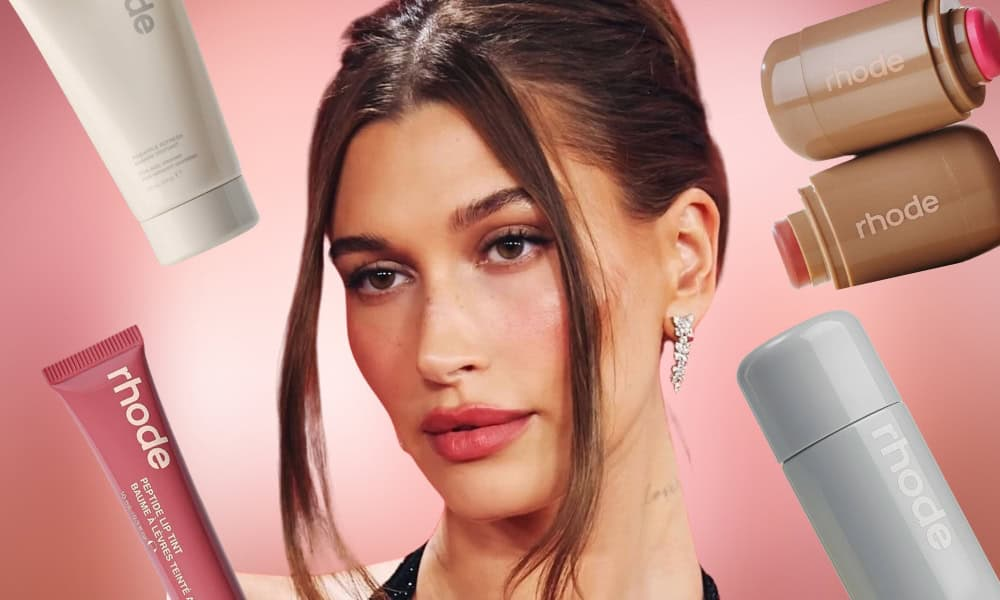
Hailey Bieber launched Rhode in 2022, right in the middle of the “clean girl” aesthetic movement. Instead of flooding the market with dozens of complicated steps and options, Rhode took a slow, hyper-focused approach: just a handful of simple, nourishing essentials designed to give you healthy, dewy skin.
| Product / Move | What Made It Viral | The Human Result |
| Peptide Lip Treatment | High-shine finish with deep hydration | Turned a basic lip balm into a fashion statement |
| The Silicone Lip Case | Built-in slot to carry lip gloss on your phone | Solved the constant issue of losing lip product in bags |
| Curated Drop Schedule | Limited product releases in small batches | Keeps quality high and creates organic anticipation |
What really put Rhode on the map was Hailey’s clever mix of simplicity and lifestyle design. Take the viral Rhode Phone Case, for example—a simple silicone case with a built-in slot to hold your lip treatment. It was a low-key genius idea born from an everyday problem: losing your lip gloss at the bottom of your bag. It instantly turned a basic skincare step into a visible, stylish fashion accessory.
- Why it works: It focuses on doing a few things exceptionally well while blending everyday convenience with clean, modern design.
6. Jones Road Beauty by Bobbi Brown
Bobbi Brown is a legend in the beauty world, but after leaving her original corporate-owned brand, she wanted to start fresh. In 2020, she launched Jones Road Beauty with a clear mission: simple, clean, effortless makeup for real life—especially for women whose skin needs change as they get older.
BOBBI’S TIKTOK STRATEGY
Fancy Studio Setup ➜ NOPE. Just Bobbi in her kitchen
Heavy Retouching ➜ NOPE. Show real skin texture
Trend Chasing ➜ NOPE. Teach timeless, easy steps
Instead of chasing fleeting micro-trends or using heavily retouched 20-year-old models, Bobbi took to TikTok herself. Sitting in simple lighting with zero sales polish, she answers questions directly from real women. She demonstrates how to apply her famous Miracle Balm on bare skin, gives honest advice on dealing with dryness, and explains why heavy foundations often make people look older.
Her down-to-earth educational approach went massively viral because it treated viewers with respect rather than making them feel insecure.
- Why it works: Deep, honest expertise. Bobbi acts like a trusted friend giving you straightforward advice, not a salesperson pushing a trend.
7. SKIMS by Kim Kardashian
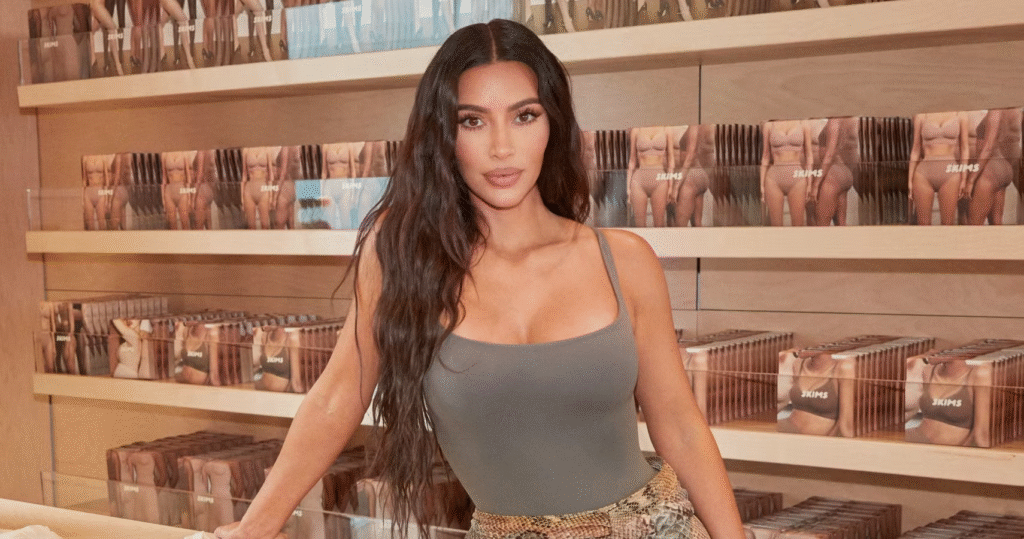
Love her or hate her, Kim Kardashian knows human body proportions and marketing better than almost anyone on the planet. When she launched SKIMS in 2019, shapewear was mostly viewed as uncomfortable, restrictive, and limited to a couple of basic beige or black options that rarely matched actual human skin tones.
THE SKIMS DIFFERENCE
Traditional Shapewear ➔ Squeezes tight, hides under clothes
SKIMS Revolution ➔ Comfortable, multi-shade solutions
meant to be seen & lived in
SKIMS completely redefined the category by putting comfort, ultra-inclusive sizing (from XXS all the way to 5X), and a wide spectrum of nude shades front and center. The brand quickly expanded from technical shapewear into everyday loungewear, cozy sleep sets, swimwear, and men’s basics.
Through viral product designs (like the “Ultimate Nipple Bra”) and high-profile partnerships with Team USA, the NBA, and global pop stars, Kim turned undergarments into a major fashion statement that people actively want to show off.
- Why it works: It took a uncomfortable product category and re-engineered it to be inclusive, flattering, and genuinely comfortable.
8. Goop by Gwyneth Paltrow
Before “wellness” became a massive buzzword everywhere, Gwyneth Paltrow started Goop in 2008 as a simple, home-spun weekly email newsletter written from her kitchen table. She shared her favorite healthy recipes, travel spots, clean beauty discoveries, and thoughts on motherhood.
Kitchen Newsletter → Starts with 150k curious readers
↓
Trusted Community ] → Builds deep editorial authority
↓
Wellness Empire → Expands into clean skincare, supplements, & apparel
Over the years, that casual newsletter grew into a powerhouse lifestyle brand selling clean skincare, holistic supplements, apparel, and home goods. While Goop has certainly drawn its fair share of headlines for eccentric products, its core audience—women looking for luxury, clean alternatives—remains fiercely loyal.
Gwyneth’s willingness to share her personal life stories and test new wellness ideas created a deep, community-driven connection that converted curious readers into long-term shoppers.
- Why it works: Great storytelling. Goop spent years building a loyal audience through content before it ever tried to sell them physical products.
9. The Honest Company by Jessica Alba
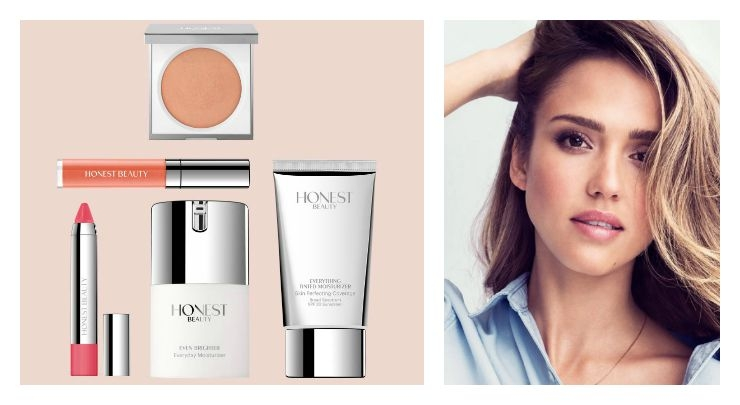
Jessica Alba didn’t start The Honest Company in 2012 to hop on a trend; she did it out of sheer panic as a new mother. After suffering an allergic reaction to standard baby detergent while pregnant, she tried to find non-toxic, safe household and baby products, only to realize how frustratingly vague product labels were.
THE OMNICHANNEL EVOLUTION
Online Subscriptions → Builds steady base of busy parents│
Major Retail Stores → Meets parents where they shop
(Target, Walmart, Ulta, Grocery)
She spent years pitching investors to build a company rooted in total ingredient transparency, safe formulas, and eco-friendly practices. Starting with plant-based diapers and gentle wipes, The Honest Company grew into a trusted household name across personal care and clean beauty.
Recognizing that busy parents don’t always have time to wait for online deliveries, Jessica expanded the brand from a direct-to-consumer online service into major retail partners like Target, Ulta, and Walmart, making clean products accessible to everyday families.
- Why it works: Total transparency and real convenience. It solved a very real, scary problem for parents and made safe products easy to buy.
10. Fabletics by Kate Hudson
When Kate Hudson co-founded Fabletics in 2013, athletic wear was split into two extremes: incredibly expensive high-end activewear brands or cheap, flimsy options that fell apart after a couple of washes.
THE FABLETICS VIP ADVANTAGE
Direct Preferences ➜ Knows exact sizes & style choices
↓
Smart Production➜ Cuts down on wasted inventory
↓
Better Pricing ➜ Passes real savings to members
Fabletics stepped in with a smart solution: stylish, high-performing gym wear at affordable prices, sold through a flexible VIP membership model. Members get curated monthly fashion outfits based on their favorite workouts, colors, and body fits.
This membership model gave Fabletics incredible insight into what their customers actually wanted, allowing them to produce the right inventory without wasting money on unwanted stock. Paired with size-inclusive collections and Kate’s fun, approachable energy, Fabletics grew into a billion-dollar fashion brand with hundreds of physical stores worldwide.
- Why it works: It delivered high-quality, body-positive activewear at a fraction of traditional prices using a smart membership model.
What Really Makes These Brands Win?
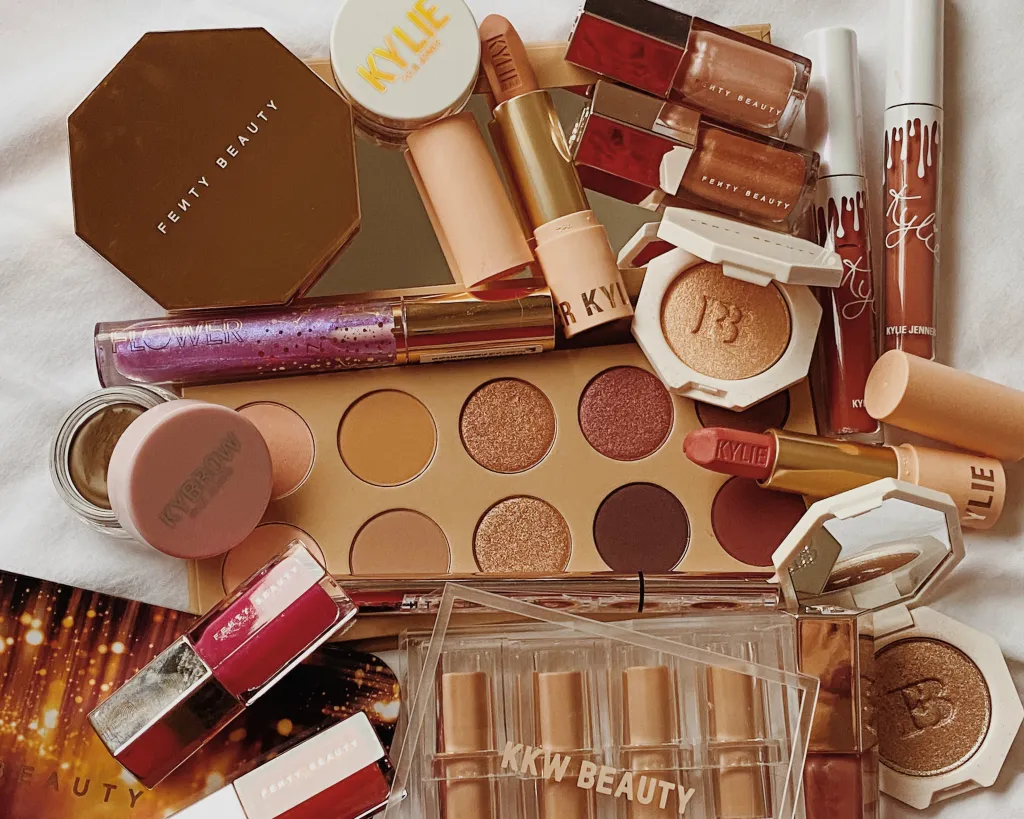
When you step back and look at all ten of these fashion brands, it becomes crystal clear why they are thriving while older corporate brands are struggling to keep up.
It isn’t about red-carpet glamour or million-dollar ad budgets anymore. It comes down to four fundamental human truths:
- Solving Real Personal Problems: The best brands started because the founder personally experienced a frustrating gap—whether it was finding a foundation shade, finding safe baby wipes, or getting a lip gloss that stays in your bag.
- Dropping the Diva Act: Modern buyers don’t want untouchable perfection. They respond to founders who show up on camera without heavy filters, answer direct comments, and talk with them rather than at them.
- Radical Respect for the Consumer: People care about ingredient labels, pricing, and sustainable packaging. Brands that are transparent win long-term trust.
- True Inclusivity: Designing products that welcome people of all skin tones, body shapes, ages, and budgets isn’t a trend—it’s basic empathy and good business.
At the end of the day, a celebrity’s name might get someone to visit a website once. But real quality, thoughtful design, and authentic fashion connection are what make them come back for a lifetime.
Frequently Asked Questions
1. Are celebrity brands actually worth the money or just hype?
Most of these new brands use higher-quality formulas than old-school merch because the celebrity’s reputation is directly on the line.
2. Why are so many stars starting beauty and fashion lines now?
Social media lets them talk directly to their audience, cutting out corporate middlemen and letting them fix issues they’ve personally faced.
3. Which celebrity brand is currently the most successful?
Fenty Beauty and SKIMS lead the pack, making hundreds of millions annually thanks to inclusive sizing and shade options.
4. How do these brands keep their prices so affordable?
They save a ton of money by using organic social media posts instead of expensive traditional ad campaigns, passing those savings to you.
5. How can I tell if a celebrity brand is genuinely good before buying?
Check unedited real-life reviews on platforms like TikTok and YouTube rather than trusting glossy photos or promotional posts.