
Let’s take off all the filters, drop the formal list structure completely, and talk the way real people actually talk when they’re sitting on a porch late at night, figuring personality life out over a cold drink.
The Unfiltered Truth About Making It in Your Career

If we’re being 100% honest, most career advice feels like absolute nonsense.
We’re taught to chase certifications, stack up buzzwords, and polish our resumes until they shine. But when you’re actually in the trenches—when a project collapses at 4:45 PM on a Friday, or a client is losing their mind, or your team is completely exhausted—nobody gives a damn about your degree or your fancy software skills.
In those moments, your real personality takes over. Who you are when everything goes wrong is what actually determines your future. Hard skills might get you past the front gate, but your character is what decides whether people want to build a life and a business with you, or if they’re quietly waiting for you to leave the room.
Think of your life like walking through a dense, quiet forest after a long rain. Your technical tools are just items shoved deep into your backpack. But your personality? That’s your stamina when your boots are soaked, your compass when you lose the trail, and your personality ability to walk beside someone else without driving them out of their mind.
If you really want to change the trajectory of your work life, here are the core human personality traits that actually matter.
1. Learning to Bend so You Don’t Snap
Life doesn’t care about your plans. Budgets get slashed, managers change their minds on a dime, and projects get scrapped after weeks of hard work. If you dig your heels into the dirt and fight every single plot twist, you’ll end up bitter and exhausted. Being adaptable isn’t about being a pushover—it’s about having the quiet personality grace to breathe out, look at the mess, and say, “Alright, it is what it is. How do we build from here?”
2. Protecting Your Mind from the Noise
We live in an era where everyone’s brain is fried by pings, notifications, and group chats. Being able to put your phone in another room, close thirty browser tabs, and just give two solid hours of quiet, unbroken focus to one hard problem is practically a superpower now. You’ll get more done in a peaceful morning than most people manage in a full week of frantic multitasking.
3. Guarding Your Time and Energy
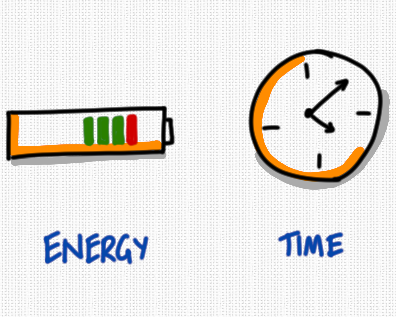
Managing time isn’t about packing every single minute of your calendar until you’re ready to drop dead from sheer exhaustion. It’s about knowing what actually matters and protecting your sanity. It’s having the self-respect to tackle the ugly, heavy work early in the day, setting firm boundaries, and hitting your goals without running around like your hair is on fire.
4. Holding Onto Everyday Wonder
The best ideas never come from dragging yourself through the exact same routine like a programmed robot. They come from a simple, human spark of curiosity—wondering why a customer is frustrated, or how a clunky system could be made a little softer and easier for everyone. Staying curious turns a soul-crushing grind into a puzzle you actually want to solve.
5. Moving Without Waiting for a Push
Nobody wants to babysit an adult. Waiting around for someone to give you permission, hand you a checklist, or pat you on the back just to do basic work is a trap. True self-motivation is that quiet inner fire that keeps you moving forward even when no one is watching. It’s seeing something broken, rolling up your sleeves, and fixing it simply because you take personal pride in what you leave behind.
6. Saying What You Mean in Plain English
Saying what you actually mean—clearly, kindly, and without hiding behind corporate speak—is ridiculously rare. Real communication isn’t about using big, complicated words to make yourself sound smart. It’s taking chaotic, messy thoughts and boiling them down into simple, honest personality words that anyone can get. It saves everyone time and stops stupid drama before it starts.

It saves everyone time and stops stupid drama before it starts. Saying what you actually mean—clearly, kindly, and without hiding behind corporate speak—is ridiculously rare. Real communication isn’t about using big, complicated words to make yourself sound smart. It’s taking chaotic, messy thoughts and boiling them down into simple, honest words that anyone can get. It saves everyone time and stops stupid drama before it starts.
7. Wrapping Facts in Human Stories
Spreadsheets and raw data state facts, but human stories are what make people actually give a damn. Whether you’re trying to pitch an idea to your boss, talk to a hesitant client, or lift up a tired team that’s had a brutal month, wrapping your message in a real, relatable personality story builds a bridge that cold numbers can never buy.
8. Owning Your Mess-ups
We all screw up. It’s a guaranteed part of being human. But nothing destroys trust faster than making excuses, pointing fingers at someone else, or playing the victim when you drop the ball. When you mess up, own it instantly. Say, “I dropped the ball here. That’s on me, and here is how I’m going to fix it.” Taking fast, honest responsibility earns you ten times more respect than pretending you’re perfect ever will.
9. Paying Attention to the Unspoken Stuff

Perceptiveness is keeping your eyes and ears open to what’s happening underneath the surface noise. It’s noticing that a usually loud coworker has gone totally quiet, sensing a subtle shift in what a client actually wants, or catching a flaw in a plan before it turns into a complete trainwreck. Spotting those quiet personality signals early lets you navigate life with calm grace.
10. Taking a Hit and Standing Back Up
Your career is never going to be a smooth, paved highway. You’re going to hit potholes, terrible weather, and painful failures. Resilience isn’t about pretending you don’t feel hurt or stressed when everything blows up in your face. It’s about taking the hit, letting yourself feel it, dusting yourself off, and standing back up with a clearer head. Resilient personality people keep everyone else grounded when the ground starts shaking.
11. Leaving Your Ego at the Door
If you walk into every room assuming you’re the smartest person there, you stop growing immediately. Keeping an open mind means setting your ego aside, listening to perspectives that make you uncomfortable, and having the guts to say, “You know what? I was wrong, your way is better.” It makes you someone people actually want to work with.
12. Finding Simple, Clever Ways Out
You don’t need to be an artist to be creative. In everyday work, creativity is just looking at a stubborn problem from a weird angle. It’s finding a simpler way to organize a messy process, figuring out how to make a project work on a shoestring budget, or connecting two completely random ideas to make everyone’s day a little easier.
13. Leading Through Action, Not Titles

Real leadership has zero to do with official titles, rank, or corner offices. You lead whenever you step up to help a struggling teammate, keep your head cool during a chaotic moment, or take charge of a messy job that everyone else is stepping around. People naturally follow real character and quiet, calm action—not an organizational chart.
14. Looking in the Mirror Honestly
You can’t fix a flaw if you keep pretending it isn’t there. Real self-awareness is having the courage to look at yourself with total honesty—knowing where you shine, admitting where you struggle, and recognizing what sets off your temper. When you know your own limits, you can ask for help without feeling embarrassed and team up with people who balance you out.
15. Really Hearing People
Most people don’t actually listen during a conversation—they’re just waiting for their turn to speak. Active listening means shutting off your internal chatter, putting your phone face down, and genuinely absorbing what the person across from you is going through. When people feel like you’re actually hearing them, real trust gets built instantly.
The One Thing That Holds It All Together
Standing quietly over all of these traits is Ethical Persuasion. This has nothing to do with slick sales tactics, mind games, or tricking people into agreeing with you. It’s simply the natural ability to share your vision so clearly, logically, and warmly that people genuinely want to join forces with you and make it happen together.
How to Nurture This in Real Life

You aren’t stuck with whatever traits you were born with. They operate just like physical muscles—the more you intentionally exercise them, the stronger they get.
- Start in low-stakes moments: Don’t wait for a huge crisis. Practice deep listening during your next 5-minute coffee break. Practice adaptability the next time a minor meeting gets rescheduled last minute.
- Watch the calm people: Pay attention to the folks at work who handle total chaos without losing their minds. Watch how they speak, how they react when criticized, and how they handle tension. Then, copy what they do.
- Get uncomfortable on purpose: Take on a small task that makes you a bit nervous—whether that’s speaking up in a large meeting or trying something new. Growth only happens right past the edge of comfort.
- Ask for unfiltered truth: Go to a friend or coworker you trust and ask, “What’s one thing I could do that would make me easier to work with?” When they answer, don’t argue or get defensive. Just listen, say thank you, and think about it.
At the end of the day, building a life and a career you’re proud of isn’t about working yourself into the ground or collecting a mountain of badges. It’s about building your character, staying deeply curious, and treating the people around you with real respect, honesty, and empathy.
Pick just one of these traits to keep in mind today. Take a deep breath, go easy on yourself, and treat every single interaction as another step forward on your journey.
Frequently Asked Questions
1. What’s the actual difference between hard and soft skills?
Hard skills are your hands-on tools—like coding or spreadsheets. Soft skills are just how you show up: staying calm, keeping it real, and not driving your team crazy.
2. Can you actually build soft skills, or are you stuck with what you’ve got?
Nobody’s born a master at this stuff. They’re just everyday habits like listening and keeping cool, and you can get better at them with a bit of daily awareness.
3. Why do managers care so much about this over pure talent?
Software can be taught in two weeks. Teaching someone to care, own their mistakes, and stop pointing fingers when things go wrong takes years.
4. How do I know where to start working on myself?
Think back to your last messy day at work and spot where you lost your cool. Or just ask a work mate, “How can I be easier to work with?”
5. What’s the single biggest game-changer?
Truly listening. When you stop rehearsing your reply and actually hear someone out, trust happens instantly and half your problems just vanish.