
Shopping is something everyone does, whether it’s for groceries, clothing, electronics, furniture, or everyday essentials. However, for beginners, shopping can sometimes feel overwhelming. With countless brands, product options, discounts, and advertisements competing for attention, it’s easy to make purchases that don’t meet your expectations or fit your budget. A complete Shopping Guide to help beginners make smart buying decisions, compare products, save money, and shop with confidence.” Learning how to shop wisely is an important life skill that can help you save money, avoid unnecessary purchases, and choose products that truly meet your needs .let us tell you what a Shopping Guide is.
A smart shopper doesn’t simply buy the cheapest item or the most popular brand. Instead, they take time to compare products, understand their options, and make informed decisions. Shopping Guide will walk you through everything you need to know before making a purchase, helping you become a confident and responsible shopper.
Understand the Difference Between Needs and Wants

“A Shopping Guide to understand the difference between needs and wants, make smarter buying decisions, manage your budget, and shop wisely. A need is something essential for daily life, such as food, medicine, basic clothing, or household necessities. A want, on the other hand, is something you desire but can live without, such as the latest smartphone, designer shoes, or decorative items.
Before buying anything, ask yourself whether the purchase is necessary. If the item is something you simply want, consider waiting a day or two before making a decision. Often, the excitement of wanting a product fades, helping you avoid spending money on things you don’t truly need.
Understanding this difference is one of the easiest ways to control spending and build better shopping habits. A Good Shopping Guide always recommends setting a budget before you start.
Set a Budget Before You Shop
Shopping without a budget often leads to overspending. Before visiting a store or browsing online, decide how much you’re willing to spend.
Your budget should be realistic and based on your income and financial responsibilities. If you’re shopping for multiple items, divide your budget into categories. For example, if you have $300 to spend, you might allocate $150 for clothing, $100 for household items, and $50 for personal care products. Shopping Guide to set a budget before you shop, control your spending, make smart purchase decisions, and get the best value for your money.”
Sticking to a budget helps you prioritize important purchases while avoiding unnecessary expenses.
Research Products Before Buying
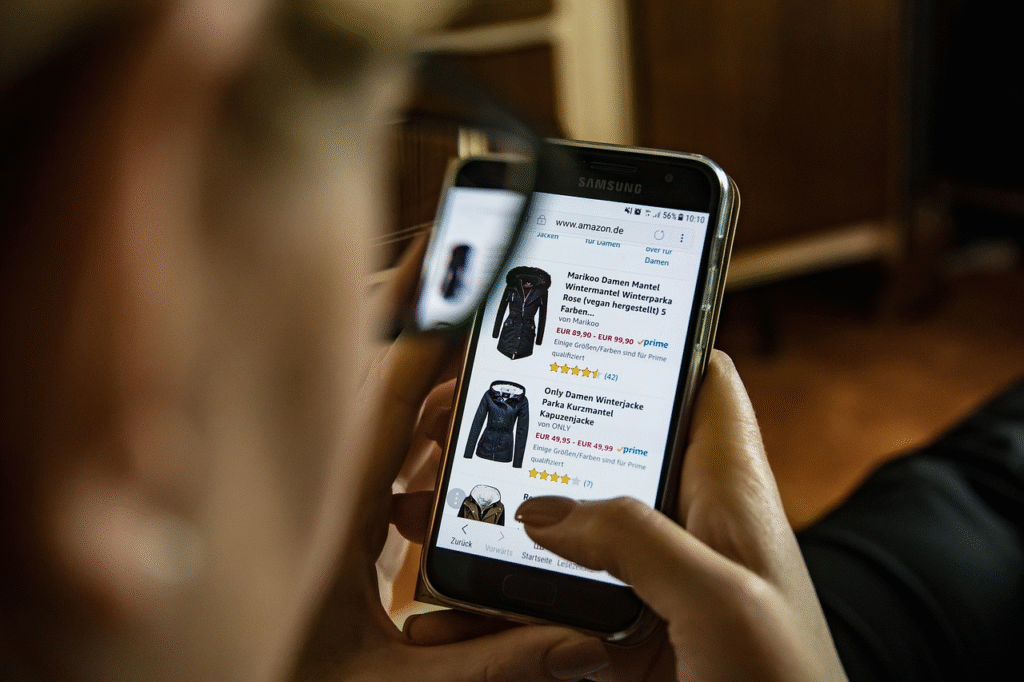
Many beginners make the mistake of purchasing the first product they see. Smart shoppers spend time researching before making a decision.
Look at different brands, compare features, and read customer reviews. Product research allows you to understand the quality, performance, and durability of an item before spending your money.
For expensive purchases like laptops, televisions, appliances, or furniture, research is especially important. Spending an extra hour comparing options can save you from making a costly mistake.
Compare Prices Across Different Stores
Prices for the same product often vary between retailers. A Good Shopping Guide recommends comparing prices across diferent stores before making a purchase.
When comparing prices, don’t focus only on the product’s listed cost. Consider additional expenses such as shipping fees, taxes, installation charges, or delivery costs.
Sometimes a slightly higher-priced product includes free shipping or a longer warranty, making it the better overall value.
Comparing prices is one of the easiest ways to save money without sacrificing quality.
Read Customer Reviews Carefully
Customer reviews provide valuable insights into how a product performs in real-life situations.
When reading reviews, pay attention to:
- Product quality
- Ease of use
- Durability
- Customer service experiences
- Common complaints
Look for detailed reviews rather than relying only on star ratings. Verified buyers often provide honest feedback that can help you make a better decision.
Keep in mind that every product may receive a few negative reviews. Focus on recurring issues instead of isolated opinions.
Learn About Product Quality
A low price doesn’t always mean you’re getting a good deal. Poor-quality products often need to be replaced sooner, resulting in higher costs over time.
When evaluating quality, consider:
- Materials used
- Build quality
- Manufacturer reputation
- Warranty coverage
- Customer satisfaction
Investing in a well-made product may cost more initially, but it usually offers better durability and long-term value.
Understand Return and Exchange Policies
Before buying any product, especially online, take time to read the store’s return and exchange policy.
Find out:
- How many days you have to return an item.
- Whether refunds or store credits are offered.
- If exchanges are allowed.
- Who pays for return shipping.
- Whether opened products can be returned.
Knowing these policies protects you if the product arrives damaged or doesn’t meet your expectations.
Don’t Be Influenced by Advertising Alone

Advertisements are designed to encourage purchases, but they don’t always tell the complete story.
A product that looks impressive in a commercial may not perform as well in everyday use.
Instead of relying only on advertisements, compare reviews, research product specifications, and consider whether the item truly fits your needs.
Good marketing can attract your attention, but informed decisions should always be based on facts.
Take Advantage of Discounts Wisely
A Good Shopping Guide advises shoppers to take advantage of discount wisely. Sales and discounts can help you save money, but only if you’re buying something you already planned to purchase.
Many shoppers spend more during sales because they buy items simply because they’re discounted.
Before purchasing a sale item, ask yourself:
- Would I buy this if it weren’t on sale?
- Do I actually need it?
- Is this the best available price?
Buying unnecessary products at a discount still means spending money you didn’t need to spend.
Shop Safely Online

Online shopping has become one of the most convenient ways to buy products, but beginners should understand how to shop safely.
Follow these simple safety tips:
- Buy from trusted websites.
- Check that the website uses a secure connection.
- Use reliable payment methods.
- Avoid sharing unnecessary personal information.
- Be cautious of deals that seem too good to be true.
Protecting your financial information should always be a priority when shopping online.
Pay Attention to Product Specifications
For electronics and appliances, product specifications are often more important than appearance.
Compare features such as:
- Size
- Storage capacity
- Battery life
- Energy efficiency
- Compatibility
- Performance
Understanding specifications helps ensure that the product meets your specific requirements.
For example, a laptop with a powerful processor may be ideal for video editing, while someone who only browses the internet may not need those advanced features.
Avoid Impulse Buying

Impulse buying happens when you purchase something without planning.
Retail stores and online platforms often encourage impulse buying through limited-time offers, countdown timers, and attractive displays.
To avoid impulse purchases:
- Wait at least 24 hours before buying expensive items.
- Stick to your shopping list.
- Avoid shopping when you’re bored or emotional.
- Compare alternatives before deciding.
Giving yourself time to think often leads to better decisions.
Consider Long-Term Value
A smart shopper looks beyond the initial purchase price.
Think about:
- How long the product will last.
- Maintenance costs.
- Repair expenses.
- Energy efficiency.
- Warranty coverage.
Sometimes paying slightly more for a durable product saves money over several years because it requires fewer repairs or replacements.
Keep Your Receipts

Many people throw away receipts immediately after shopping. However, receipts are useful if you need to:
- Return an item.
- Exchange a product.
- Make a warranty claim.
- Verify a purchase.
- Track expenses.
Digital receipts should also be saved in a secure folder or email account for future reference.
Shop at the Right Time
Timing can significantly affect prices.
Many products become less expensive during certain seasons or promotional events.
Examples include:
- Winter clothing after winter ends.
- Holiday decorations after festive seasons.
- School supplies after back-to-school promotions.
- Furniture during clearance events.
- Electronics during major sales periods.
Planning your purchases around these times can help you save money without compromising quality.
Don’t Focus Only on Brand Names
A Good Shopping Guide suggests that shoppers should not focus only on Brand names. Well-known brands often produce high-quality products, but lesser-known brands can offer excellent value as well.
Instead of buying based solely on brand recognition, compare:
- Features
- Customer reviews
- Materials
- Warranty
- Overall quality
You may discover products that perform just as well at a lower price.
Track Your Spending

Keeping track of your purchases helps you understand your shopping habits.
Review your monthly spending to identify areas where you can reduce unnecessary expenses.
Many budgeting apps make it easy to categorize purchases and monitor your progress.
Even a simple notebook can help you stay aware of where your money goes.
Think About Sustainability
Responsible shopping isn’t only about saving money. It’s also about making choices that reduce waste and protect the environment.
Consider buying products that are:
- Durable
- Reusable
- Energy-efficient
- Made from sustainable materials
- Easy to repair
Choosing quality products that last longer reduces waste and often saves money over time.
Ask Questions When Shopping In-Store

If you’re shopping in a physical store and aren’t sure about a product, don’t hesitate to ask for assistance.
Sales representatives can explain product features, warranty information, compatibility, and available promotions.
However, remember that their goal may be to make a sale, so it’s still important to compare information independently before making a final decision.
Learn From Every Purchase
Every shopping experience teaches you something.
If you make a purchase that doesn’t meet your expectations, think about what you could do differently next time. Perhaps more research was needed, or maybe you overlooked customer reviews or warranty information.
Over time, these experiences help you become a more confident and informed shopper
FAQs
1. What should beginners consider before buying a product?
Beginners should check product quality, price, features, customer reviews, brand reputation, and whether the product meets their needs before making a purchase.
2. How can I avoid buying unnecessary items?
Create a shopping list, set a budget, compare different options, and avoid impulse purchases influenced only by advertisements or discounts.
3. Why are product reviews important before buying?
Product reviews help you understand real customer experiences, product performance, advantages, and possible issues before making a decision.
4. How can I find the best deals while shopping?
Compare prices from different sellers, check genuine offers, look for discounts, and focus on overall value instead of choosing only the cheapest option.
5. What should I check before purchasing online?
Before buying online, check seller ratings, return policies, product details, delivery information, payment security, and customer feedback.