
Shopping is something we all do, whether it’s buying groceries, upgrading gadgets, refreshing our wardrobe, or treating ourselves to something special. But have you ever looked at your bank statement and wondered where all your money disappeared? Many people don’t realise how much they overspend on unnecessary purchases until it’s too late. The good news is that smarter shopping isn’t about giving up the things you enjoy. It’s about making informed decisions, spending wisely, and getting the best value for every pound, dollar, or rupee you spend.
In today’s world, online stores, seasonal sales, flash discounts, and constant advertisements make it easier than ever to spend impulsively. Retailers are experts at encouraging us to buy more than we planned. However, with the right shopping habits, you can avoid unnecessary expenses, save more money, and still enjoy buying the things you genuinely need.
This ultimate shopping guide will help you understand practical strategies that can transform the way you shop, allowing you to stretch your budget without sacrificing quality or convenience.
Understand the Difference Between Needs and Wants

One of the biggest reasons people overspend is because they confuse wants with needs. A need is something essential for daily life, such as food, clothing, housing, healthcare, and basic transportation.
A want, on the other hand, is something that adds comfort or enjoyment but isn’t essential. Before making any purchase, ask yourself a few simple questions. Do I truly need this item? Will I still want it next week? Is there something I already own that serves the same purpose?
Taking just a minute to reflect can prevent impulse purchases and help you focus on buying things that genuinely improve your life. Over time, this simple habit can save a surprising amount of money.
Create a Shopping Budget
A shopping budget is one of the most powerful financial tools available. Instead of spending whatever feels right at the moment, decide in advance how much money you’re comfortable spending each month.
Break your budget into categories such as groceries, clothing, electronics, home essentials, gifts, and entertainment. This approach gives you greater control over your finances and prevents unexpected overspending.
Remember that a budget isn’t designed to restrict your life. Instead, it gives your money a purpose and ensures you’re spending according to your priorities.
Always Shop with a List
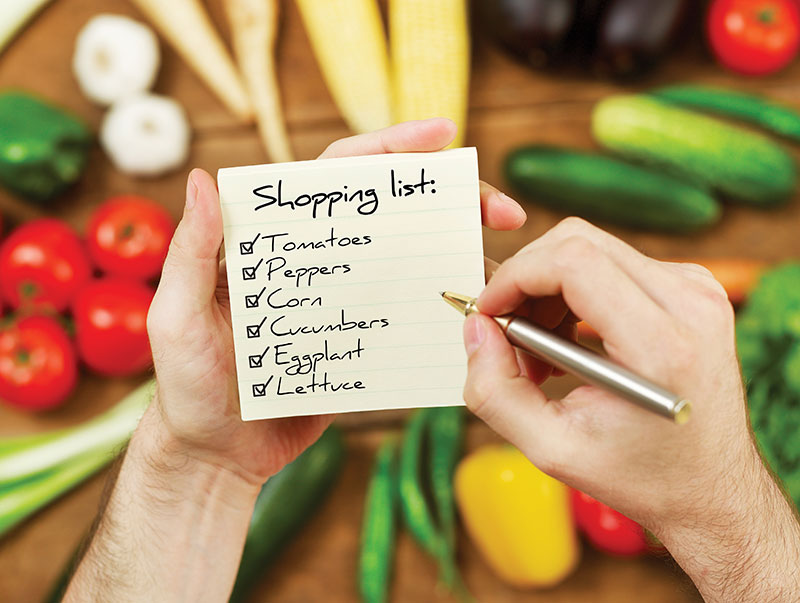
Whether you’re visiting a supermarket or browsing online, shopping without a list often leads to unnecessary purchases.
Before heading out, write down exactly what you need. If you’re shopping online, create a digital checklist and stick to it. Resist the temptation to add extra items simply because they’re displayed as recommended products or limited-time offers.
Shopping lists help reduce impulse buying, shorten shopping trips, and keep your spending under control.
Compare Prices Before Buying
Never assume that the first price you see is the best one available.
Different retailers often sell the same product at different prices. Spending a few minutes comparing prices online or visiting multiple stores can result in significant savings, especially for expensive purchases like electronics, furniture, appliances, or branded clothing.
Price comparison becomes even more valuable during holiday sales when discounts vary between retailers.
Don’t Fall for Fake Discounts
Many shoppers believe they’re saving money simply because an item is labelled “50% Off” or “Limited Time Offer.”

In reality, some retailers increase prices before announcing discounts, while others create urgency to encourage impulse buying. Instead of focusing on the percentage saved, consider the actual value of the product. Ask yourself whether you would still buy it if it weren’t on sale.
Buying something you don’t need simply because it’s discounted isn’t saving money—it’s spending money unnecessarily.
Wait Before Making Expensive Purchases
Impulse buying is responsible for a large portion of unnecessary spending.
Whenever you’re considering a costly purchase, give yourself at least 24 to 72 hours before completing the transaction. For even larger purchases, waiting a week can provide greater clarity.
Often, the excitement fades, and you realise you don’t actually need the item. If you still want it after waiting, you’ll feel more confident that it’s a worthwhile investment.
This cooling-off period can dramatically reduce buyer’s remorse.
Buy Quality Instead of Quantity

Choosing the cheapest option isn’t always the smartest financial decision.
Low-quality products often wear out quickly, requiring frequent replacements. Higher-quality items may cost more upfront but usually last much longer, saving money over time.
Whether you’re buying shoes, kitchen appliances, furniture, or electronics, durability should always be part of your decision.
Think of quality purchases as long-term investments rather than short-term expenses.
Use Cashback and Reward Programmes Wisely
Many retailers and payment providers offer cashback, loyalty points, or reward programmes.
These can provide genuine savings if you’re already planning to make a purchase. However, avoid spending extra simply to earn rewards.
Cashback should be viewed as a bonus rather than a reason to shop.
If you regularly shop at the same stores, joining their loyalty programme may provide exclusive discounts, birthday offers, and member-only promotions.
Avoid Emotional Shopping

Shopping often becomes a way to cope with stress, boredom, sadness, or even celebration. While buying something new can provide temporary happiness,
emotional shopping usually results in regret once the excitement wears off. Instead of shopping when emotions are running high, consider healthier alternatives like going for a walk, reading a book, exercising, cooking, or spending time with friends and family.
Learning to recognise emotional spending triggers is one of the biggest steps toward financial freedom.
Shop During the Right Time of Year
Timing plays a huge role in getting the best deals.
Many products follow predictable pricing cycles. Winter clothing becomes cheaper at the end of winter, while summer items are heavily discounted after the season ends.
Electronics often see major discounts during annual sales events, while furniture frequently goes on sale during clearance periods.
Planning purchases around these seasonal trends can lead to substantial savings.
Read Reviews Before Purchasing

Marketing advertisements only highlight the positive aspects of a product.
Customer reviews, however, provide valuable insight into real-world performance, durability, and reliability.
Before buying anything significant, spend a few minutes reading reviews from verified buyers.
Look for recurring themes rather than focusing on a single positive or negative review. Consistent feedback usually paints the most accurate picture of product quality.
Be Careful with Buy Now, Pay Later Offers
Flexible payment plans can seem attractive because they spread the cost over several months.
However, they often encourage people to purchase items they couldn’t comfortably afford upfront.
Multiple small payment plans can quickly add up, making monthly expenses difficult to manage.
Whenever possible, save first and pay in full rather than relying on instalment plans.
Don’t Shop When You’re Hungry
This advice applies especially to grocery shopping.
Studies have shown that shopping while hungry often leads people to buy more food, particularly unhealthy snacks and convenience items they hadn’t planned to purchase.
Eating before shopping helps you stick to your grocery list and reduces unnecessary spending.
It’s a surprisingly simple habit that can make a noticeable difference over time.
Track Every Purchase
Most people underestimate how much they spend because they don’t keep track of small purchases.

That daily coffee, occasional takeaway meal, subscription renewal, or online impulse buy may seem insignificant individually, but together they can cost hundreds over the course of a year. Tracking your expenses gives you a clear understanding of your spending habits and helps identify areas where you can cut back without feeling deprived.
There are many budgeting apps available, or you can simply use a spreadsheet or notebook.
Cancel Unused Subscriptions
Subscription services have become part of everyday life, from streaming platforms to fitness apps and software memberships.
Because payments happen automatically, it’s easy to forget about services you rarely use.
Review your bank statements every few months and cancel subscriptions that no longer provide value.
Even cancelling just two or three unused subscriptions can save a considerable amount each year.
Avoid Following Every Trend
Fashion, technology, and social media trends change constantly.
Trying to keep up with every new release often leads to unnecessary spending and clutter.
Instead of buying every trending product, focus on timeless items that provide lasting value.
Classic clothing styles, reliable electronics, and durable home products usually outperform trendy alternatives in the long run.
Learn Basic Price Awareness

Knowing the average price of products you frequently purchase makes it easier to recognise genuine bargains.
If you understand what groceries, household supplies, or electronics normally cost, you’ll quickly identify when a discount is truly worthwhile.
Keeping an eye on regular prices also helps prevent being misled by exaggerated promotional offers.
Use Cash for Certain Purchases
Although digital payments are convenient, they can sometimes make spending feel less real.
Using cash for categories like dining out, entertainment, or personal shopping creates a stronger awareness of how much you’re spending.
Many people naturally spend less when physically handing over money compared to simply tapping a card or phone.
This technique can be particularly effective if you’re trying to improve your budgeting habits.
Plan Large Purchases in Advance
Big-ticket items should rarely be bought on impulse.
Whether you’re purchasing a laptop, washing machine, smartphone, or television, spend time researching different brands, comparing features, checking warranty options, and reading customer experiences.
Planning ahead helps ensure you’re buying the best product for your needs rather than making a rushed decision based on advertising or temporary excitement.
Teach Your Family Smart Shopping Habits

Good financial habits become even more effective when everyone in the household participates.
Teach children the importance of saving, comparing prices, and understanding the value of money. Encourage family discussions before making major purchases and involve everyone in creating shopping lists and budgets.
These habits not only reduce unnecessary spending but also help build lifelong financial responsibility.
Remember That Saving Money Is Also Earning Money
Many people focus only on increasing their income while ignoring opportunities to reduce unnecessary expenses.
Every pound, dollar, or rupee you avoid wasting stays in your pocket and can be used for more meaningful goals, whether that’s building an emergency fund, paying off debt, investing, travelling, or achieving personal dreams.
Smart shopping isn’t about being cheap. It’s about making thoughtful choices that maximise the value of every purchase.
FAQ’S
1. How can I stop impulse buying while shopping?
Create a shopping list before you buy anything and stick to it. For expensive purchases, wait at least 24 hours before making a decision to avoid buying on impulse.
2. Is buying cheaper products always the best way to save money?
Not necessarily. Higher-quality products often last longer, meaning you spend less on replacements and repairs over time.
3. What’s the easiest way to save money on everyday shopping?
Compare prices, look for genuine discounts, use cashback or loyalty rewards, and avoid shopping when you’re hungry or emotional.
4. Should I shop during sales and discount events?
Yes, but only if you’re purchasing items you already planned to buy. A discount isn’t a saving if it leads you to spend money on things you don’t need.
5. How can I create a smarter shopping budget?
Set a monthly spending limit for different categories like groceries, clothing, and entertainment. Tracking your purchases regularly helps you stay within your budget and identify unnecessary expenses.