
Retinol has become one of the most talked-about skincare ingredients in recent years, and for good reason. If you have ever searched for solutions to fine lines, acne, uneven skin tone, or dullness, chances are you have come across countless recommendations for retinol. While the ingredient has earned a reputation for delivering impressive results, it has also gained a reputation for causing confusion. Many beginners worry that retinol is too harsh, difficult to use, or only suitable for mature skin. The truth is much simpler. When introduced correctly, retinol can become one of the most effective and rewarding additions to your skincare routine.
If you are new to retinol, understanding how it works and how to use it properly can make all the difference. Instead of expecting overnight transformations, it is important to see this Ingredient as a long-term investment in your skin. With patience, consistency, and the right routine, you can enjoy healthier, smoother, and brighter-looking skin while avoiding unnecessary irritation.
What is Retinol ?
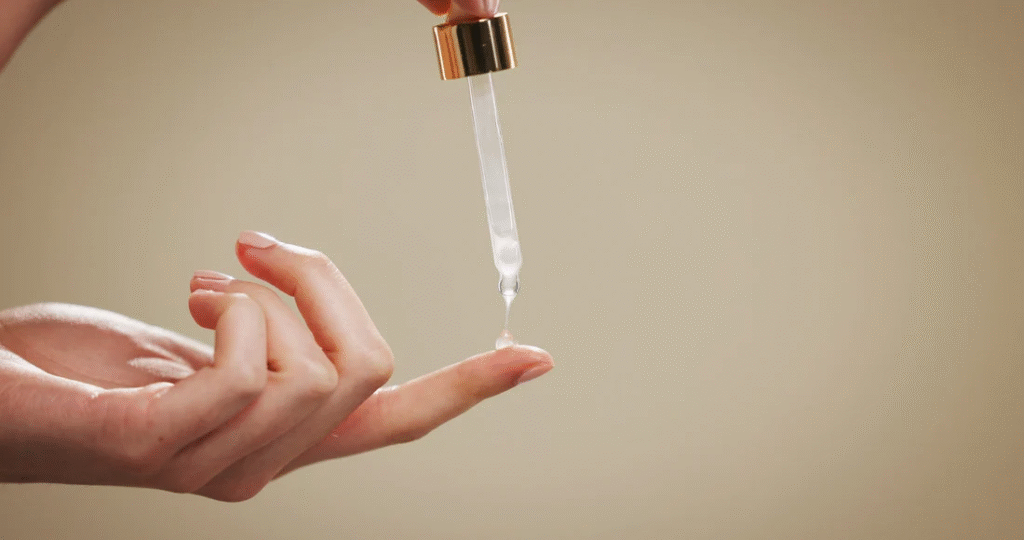
It is a form of vitamin A that belongs to a family of ingredients known as retinoids. It is widely recognised for its ability to improve skin texture, reduce the appearance of fine lines, minimise acne, and encourage healthy skin renewal. Unlike stronger prescription retinoids, over-the-counter this skincare ingredient is formulated to be gentler, making it an excellent option for beginners who want noticeable improvements without overwhelming their skin.
Your skin naturally renews itself by shedding old skin cells and producing new ones. As we age, this process becomes slower, leading to dullness, rough texture, clogged pores, uneven skin tone, and visible signs of ageing. It helps speed up this natural renewal process, allowing fresh skin cells to reach the surface more quickly. Over time, this creates smoother, brighter, and healthier-looking skin.
Why is Retinol is So Popular?
One reason this powerful ingredient continues to dominate the skincare world is its versatility. Few ingredients have been researched as extensively or recommended as consistently by skincare professionals. Whether someone is dealing with early signs of ageing, acne breakouts, pigmentation, or rough skin texture, retinol often becomes part of the conversation because it addresses multiple concerns at once.
Unlike products that only moisturise the skin temporarily, Retinol works at a deeper level by encouraging healthier skin function. While the results require patience, they are often more meaningful and longer lasting than quick-fix solutions.
The Benefits of Retinol
One of the biggest reasons people start using Retinol is its ability to reduce the appearance of fine lines and wrinkles. As collagen production naturally decreases with age, skin gradually loses firmness and elasticity. Retinol encourages collagen production, helping the skin appear firmer and smoother over time.
It is also highly effective for acne-prone skin. It helps keep pores clear by preventing dead skin cells from building up inside them. This reduces the formation of blackheads, whiteheads, and inflammatory breakouts while improving overall skin clarity.
Many people also notice improvements in uneven skin tone. Sun damage, acne scars, and dark spots often fade more quickly because it speeds up the skin’s natural renewal cycle. As fresh skin replaces older damaged cells, the complexion gradually becomes brighter and more even.
Skin texture is another area where retinol shines. Rough patches become smoother, enlarged pores appear less noticeable, and the skin develops a softer, healthier appearance with consistent use.
Is Retinol Suitable for Everyone
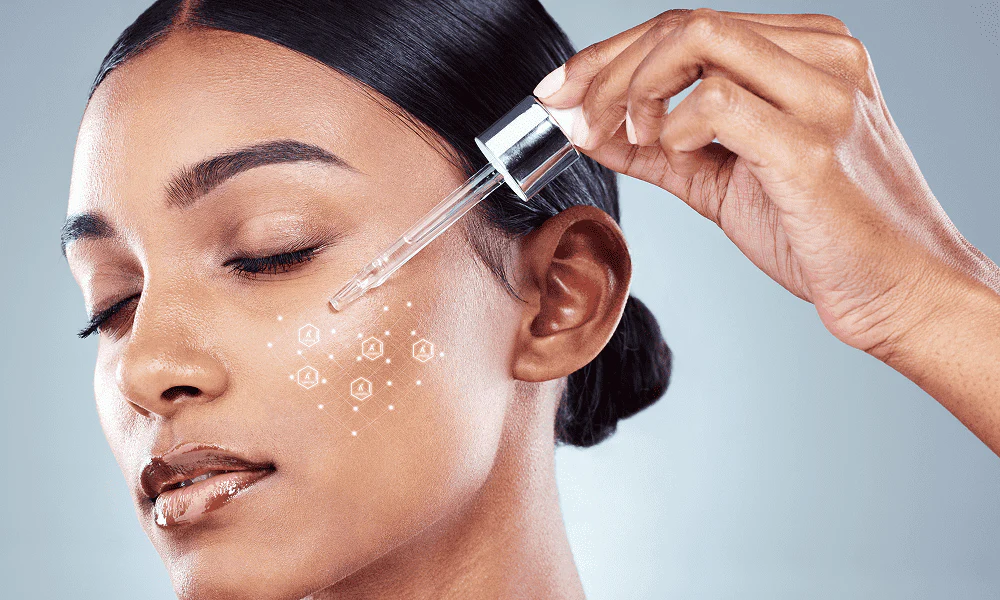
It is suitable for most skin types, but every person’s skin responds differently. Beginners should always introduce it slowly, especially if they have sensitive or dry skin. Those with combination skin usually tolerate this ingredient well after a gradual introduction.
People with oily or acne-prone skin often benefit significantly from retinol because it helps regulate clogged pores. Individuals with dry or sensitive skin can also use this ingredient successfully, but they may need to apply extra moisturiser and reduce application frequency during the first few weeks.
If you have severe eczema, rosacea, or another active skin condition, it is worth seeking personalised advice from a qualified healthcare professional before adding this skincare ingredient to your routine.
Choosing the Right Retinol Product
Not all Retinol products are created equally. Beginners should avoid starting with the strongest concentration available. A lower concentration gives your skin time to adapt while still delivering excellent long-term benefits.
Cream-based retinol products are generally more suitable for dry or sensitive skin because they provide additional hydration. Lightweight serums often appeal to people with oily or combination skin due to their fast absorption.
Packaging also matters. Since this ingredient breaks down when exposed to air and sunlight, products stored in opaque, airtight containers tend to remain more effective throughout their shelf life.
How to Start Using Retinol
One of the biggest mistakes beginners make is using retinol every night from the very beginning. Although it may seem like using more product will produce faster results, this approach often leads to irritation instead.
The best strategy is to introduce Retinol gradually. Using it once or twice a week allows your skin to adjust. After several weeks, you can slowly increase usage if your skin remains comfortable.
Always cleanse your face with a gentle cleanser before applying this ingredient. Once your skin is completely dry, apply only a pea-sized amount to your entire face. Many people assume using more product will improve results, but excessive application usually increases irritation without offering additional benefits.
Finish with a moisturiser to support your skin barrier and reduce dryness.
Why Moisturiser Is Essential
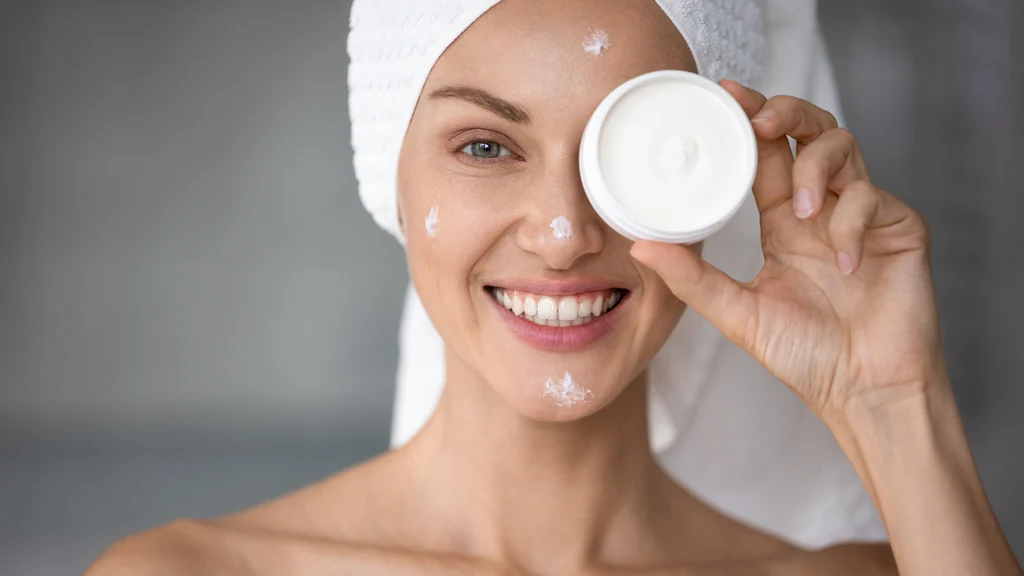
It increases skin cell turnover, which can temporarily weaken the skin barrier during the adjustment period. This makes moisturiser one of the most important partners in your skincare routine.
A good moisturiser helps maintain hydration, reduces flaking, minimises irritation, and supports healthy skin recovery. Some beginners even apply moisturiser before retinol during the first few weeks. This technique, often called buffering, can reduce sensitivity without significantly affecting results.
Hydrated skin generally tolerates this product much better than dehydrated skin.
Understanding the Retinol Purge
Many beginners become discouraged after experiencing breakouts shortly after starting this ingredient. This temporary phase is often called the retinol purge.
Because it speeds up skin turnover, existing clogged pores come to the surface more quickly than they normally would. As a result, you may notice pimples appearing in areas where you usually break out.
Although this can feel frustrating, it usually settles within several weeks. If irritation becomes severe or breakouts appear in completely new areas, the reaction may not be a purge but rather irritation or incompatibility with the product.
Common Side Effects
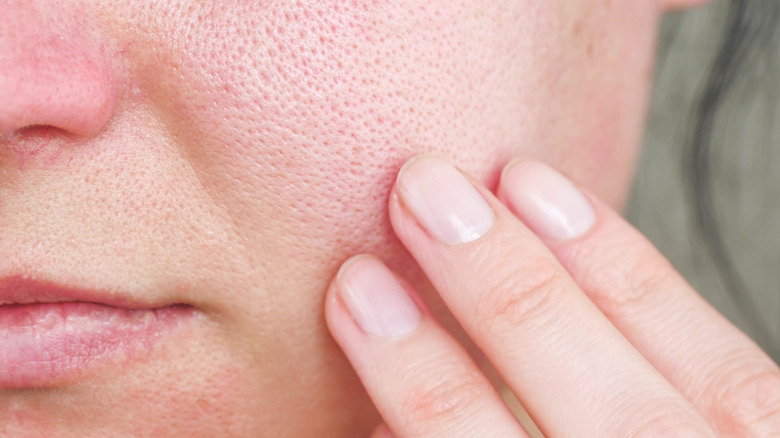
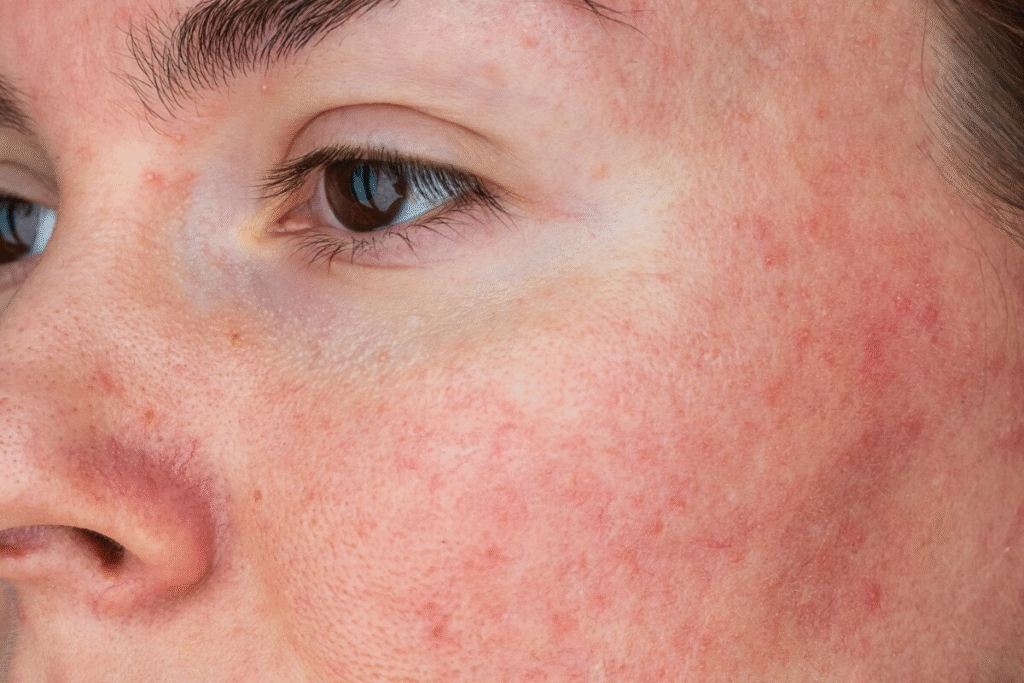
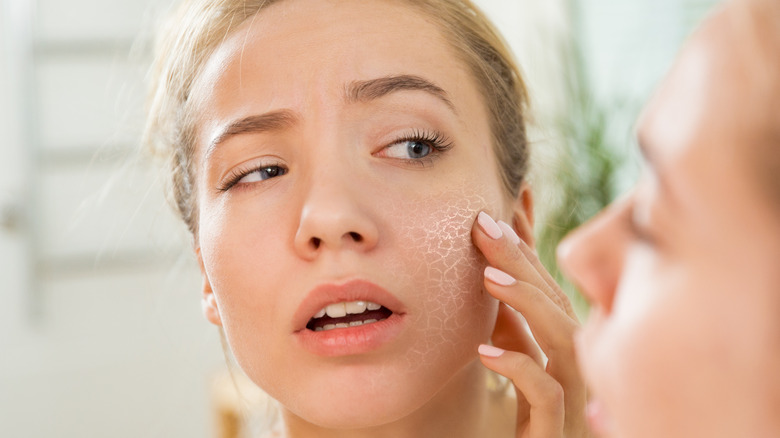
It is completely normal to experience mild dryness, slight redness, gentle peeling, or temporary tightness when first introducing retinol. These effects usually improve as your skin becomes accustomed to the ingredient.
The key is to avoid overreacting by stopping treatment immediately or increasing usage too quickly. Slow, consistent application usually produces the best long-term outcome.
If your skin becomes painfully irritated, swollen, or develops severe burning, discontinue use and seek advice from a healthcare professional.
Ingredients That Work Well with Retinol
it works particularly well alongside hydrating ingredients that strengthen the skin barrier. Hyaluronic acid helps attract moisture, making the skin feel plumper and more comfortable. Ceramides support the skin’s natural protective barrier, reducing moisture loss and improving resilience. Glycerin is another excellent ingredient because it helps keep the skin hydrated throughout the day.
Niacinamide is also a popular companion for this skincare ingredient. It helps calm redness, strengthens the skin barrier, and may improve overall tolerance during the adjustment phase.
Ingredients to Use Carefully
Although it pairs well with many skincare products, beginners should avoid combining it with multiple powerful exfoliating ingredients in the same routine.
Using strong alpha hydroxy acids, beta hydroxy acids, or high-strength exfoliating treatments alongside it can increase the likelihood of irritation, dryness, and peeling, particularly during the first few months.
Vitamin C is another ingredient people often ask about. While both ingredients offer excellent benefits, many beginners prefer using vitamin C in the morning and retinol at night to reduce the risk of irritation while still enjoying the advantages of both.
The Importance of Sunscreen

Retinol makes your skin more sensitive to sunlight because it accelerates skin renewal. This means daily sunscreen is not optional. It is an essential part of any retinol routine.
Even on cloudy days, ultraviolet rays can contribute to premature ageing, pigmentation, and irritation. Applying a broad-spectrum sunscreen every morning helps protect your skin and preserves the improvements achieved through retinol.
Skipping sunscreen can reduce the long-term benefits of your skincare routine and increase the likelihood of sun damage.
When Will You See Results?
One of the biggest misconceptions about retinol is that it delivers immediate results. In reality, patience is essential.
Many people notice smoother skin within four to six weeks. Improvements in acne may take around eight to twelve weeks. Fine lines, wrinkles, collagen production, and pigmentation often require three to six months of consistent use before noticeable changes appear.
Long-term consistency is far more important than applying large amounts of product. Regular use over many months produces the most satisfying and sustainable improvements.
Mistakes Beginners Should Avoid
Many new users become impatient and apply retinol too frequently. Others combine it with too many active ingredients at once, hoping to accelerate results. Unfortunately, these approaches usually create irritation rather than healthier skin.
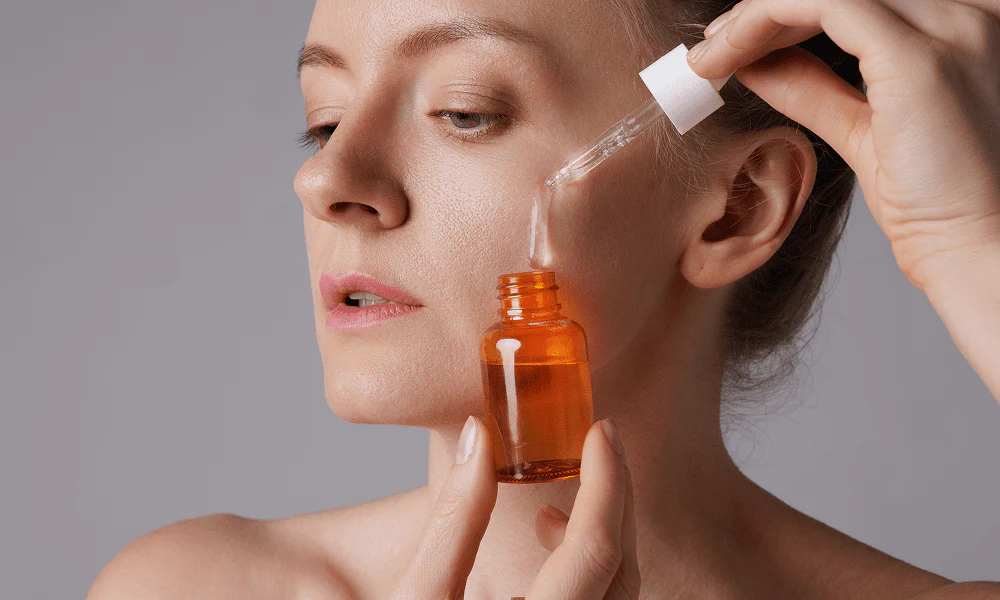
Applying retinol to damp skin can also increase absorption, making irritation more likely. Waiting until your skin is completely dry before application often improves comfort .Another common mistake is forgetting the neck or applying excessive product around the delicate eye area. Retinol should always be introduced carefully, particularly on thinner areas of skin.
Finally, expecting dramatic overnight improvements often leads to disappointment. Healthy skin develops gradually, and retinol rewards consistency rather than speed.
Is Retinol Worth It?
For most people, the answer is yes. Decades of scientific research support retinol as one of the most effective over-the-counter skincare ingredients available. Its ability to improve multiple skin concerns at once makes it a valuable addition to both preventative and corrective skincare routines.
Whether your goal is clearer skin, a brighter complexion, smoother texture, or fewer visible signs of ageing, Retinol offers benefits that continue to build over time. While the adjustment period requires patience, the long-term improvements often make the effort worthwhile.
FAQ’S
1. Can beginners use retinol every day?
No. If you’re new to retinol, it’s best to start by applying it one or two nights a week. Once your skin adjusts and you experience little to no irritation, you can gradually increase the frequency to every other night or as tolerated.
2. How long does it take to see results from retinol?
Most people notice smoother skin within four to six weeks. Improvements in acne can take around eight to twelve weeks, while fine lines, wrinkles, and dark spots often require three to six months of consistent use for noticeable results.
3. Can I use retinol with vitamin C?
Yes, but beginners are usually advised to use them at different times of the day. Apply vitamin C in the morning to help protect your skin from environmental damage and use Retinol at night to support skin renewal. This approach can also reduce the risk of irritation.
4. Do I need to wear sunscreen while using retinol?
Yes. Daily sunscreen is essential when using retinol because it makes your skin more sensitive to the sun. A broad-spectrum sunscreen with SPF 30 or higher helps protect your skin from UV damage and preserves the benefits of your retinol routine.
5. Is retinol suitable for sensitive skin?
Yes, many people with sensitive skin can use retinol successfully by choosing a low-strength formula, applying it only once or twice a week at first, and following it with a moisturiser. If irritation persists or you have an existing skin condition, seek advice from a qualified healthcare professional before continuing.