
Why Skincare Matters
Your skin is the body’s largest organ and serves as a protective barrier against pollution, bacteria, harmful UV rays, and environmental damage. Taking care of your skin is about more than appearance. Healthy skin performs its protective role better and often feels more comfortable throughout the day.
A consistent skincare routine can help:
- Keep the skin hydrated
- Reduce the appearance of fine lines
- Improve uneven skin tone
- Support a healthy skin barrier
- Minimize clogged pores
- Protect against premature aging
- Enhance your skin’s natural glow
Instead of looking for overnight results, focus on creating habits that support your skin over time.
Step 1: Know Your Skin Type
The first step toward healthier skin is understanding your skin type. Using products that are not suited to your skin can lead to irritation, dryness, or excess oil production.
Normal Skin

Normal skin has a balanced level of moisture and oil. It usually has few blemishes, small pores, and a smooth texture.
Oily Skin
Oily skin produces more sebum than necessary, making it prone to shine, enlarged pores, and breakouts. Lightweight, oil-free products often work best.
Dry Skin
Dry skin may feel rough, tight, or flaky. It benefits from richer moisturizers and ingredients that help lock in moisture.
Combination Skin
Combination skin features both oily and dry areas, often with an oily forehead, nose, and chin while the cheeks remain dry.
Sensitive Skin

Sensitive skin can react to fragrances, harsh ingredients, weather changes, or certain skincare products. Gentle, fragrance-free formulas are generally a good choice.
Understanding your skin type allows you to select products that work with your skin instead of against it.
Step 2: Cleanse Your Skin Properly
Cleansing removes dirt, oil, sweat, makeup, and pollutants that accumulate throughout the day. A clean face creates the ideal foundation for the rest of your skincare routine.
Choose a cleanser that matches your skin type and avoid products that leave your skin feeling overly tight or dry.
For most people, cleansing twice a day is enough:
- Once in the morning to remove oil that builds up overnight.
- Once before bed to wash away makeup, sunscreen, and daily impurities.
If you wear heavy makeup, consider using a cleansing balm or micellar water before your regular cleanser for a thorough cleanse.
Step 3: Keep Your Skin Hydrated
Hydration plays a major role in maintaining smooth, healthy-looking skin. Even people with oily skin need a moisturizer because hydration and oil production are not the same thing.
Look for moisturizers containing ingredients such as:
- Hyaluronic acid
- Glycerin
- Ceramides
- Squalane
These ingredients help attract and retain moisture while supporting your skin’s natural protective barrier.
Drinking enough water throughout the day also supports your overall health, although topical moisturizers remain essential for maintaining skin hydration.
Step 4: Never Skip Sunscreen

One of the most effective ways to protect your skin is by wearing sunscreen every day.
Ultraviolet (UV) rays can contribute to:
- Fine lines
- Wrinkles
- Dark spots
- Uneven pigmentation
- Loss of firmness
- Sunburn
Apply a broad-spectrum sunscreen with at least SPF 30 every morning, even when it is cloudy or you plan to stay indoors near windows. Reapply during prolonged outdoor activities according to the product instructions.
Sun protection is one of the simplest habits that can make a long-term difference in your skin’s appearance.
Step 5: Add Helpful Ingredients Gradually
Modern skincare offers many beneficial ingredients, but using too many products at once can overwhelm your skin.
Here are a few well-known ingredients and their benefits.
Vitamin C
Vitamin C helps brighten dull skin and supports a more even-looking complexion. It also acts as an antioxidant, helping protect skin from environmental stressors.
Niacinamide
Niacinamide supports the skin barrier and can help improve the appearance of enlarged pores, uneven skin tone, and excess oil.
Retinol
Retinol is commonly used to improve skin texture and reduce the appearance of fine lines. Because it can be irritating, introduce it slowly and use it as directed.
Salicylic Acid
Salicylic acid helps exfoliate inside pores, making it a popular ingredient for acne-prone and oily skin.
Hyaluronic Acid
This ingredient attracts moisture to the skin, leaving it looking plumper and more hydrated.
Introduce only one new product at a time so you can monitor how your skin responds.
Step 6: Exfoliate in Moderation

Exfoliation removes dead skin cells that can make the skin appear dull. It also helps skincare products absorb more effectively.
However, too much exfoliation can damage your skin barrier and cause redness or irritation.
Most people benefit from exfoliating one to three times per week, depending on their skin type and the type of exfoliant they use.
Gentle chemical exfoliants often provide more even results than harsh physical scrubs.
Step 7: Eat Foods That Support Healthy Skin
Your skincare routine is only part of the equation. A nutritious diet also contributes to healthy-looking skin.
Foods that support skin health include:
- Fresh fruits
- Leafy green vegetables
- Nuts and seeds
- Whole grains
- Fatty fish rich in omega-3 fatty acids
- Foods rich in vitamins A, C, and E
Limiting highly processed foods and excessive sugar may also benefit overall skin health for some people.
Step 8: Prioritize Quality Sleep
Sleep is an important time for your body to repair itself, including your skin.
Poor sleep may contribute to:
- Dull-looking skin
- Puffiness
- Dark circles
- A tired appearance
Aim for a consistent sleep schedule and create a relaxing bedtime routine to support overall well-being.
Step 9: Manage Stress
Stress can affect your skin in many ways. Some people notice breakouts, increased oil production, or flare-ups of existing skin conditions during stressful periods.
Healthy stress-management techniques include:
- Regular exercise
- Meditation
- Deep breathing
- Reading
- Spending time outdoors
- Talking with supportive friends or family
Reducing stress benefits both your mental well-being and your skin.
Step 10: Avoid Common Skincare Mistakes

Many skincare problems result from simple daily habits that are easy to overlook.
Common mistakes include:
- Sleeping with makeup on
- Using products that are too harsh
- Skipping sunscreen
- Overwashing your face
- Frequently changing skincare products
- Picking at pimples
- Ignoring your neck and hands during skincare
Small improvements in your routine can have lasting benefits.
A Simple Daily Skincare Routine
Morning
- Gentle cleanser
- Vitamin C serum (optional)
- Moisturizer
- Sunscreen
Evening
- Makeup remover if needed
- Gentle cleanser
- Treatment serum
- Moisturizer
Consistency is far more important than having a complicated routine.
Beauty Habits That Make a Difference
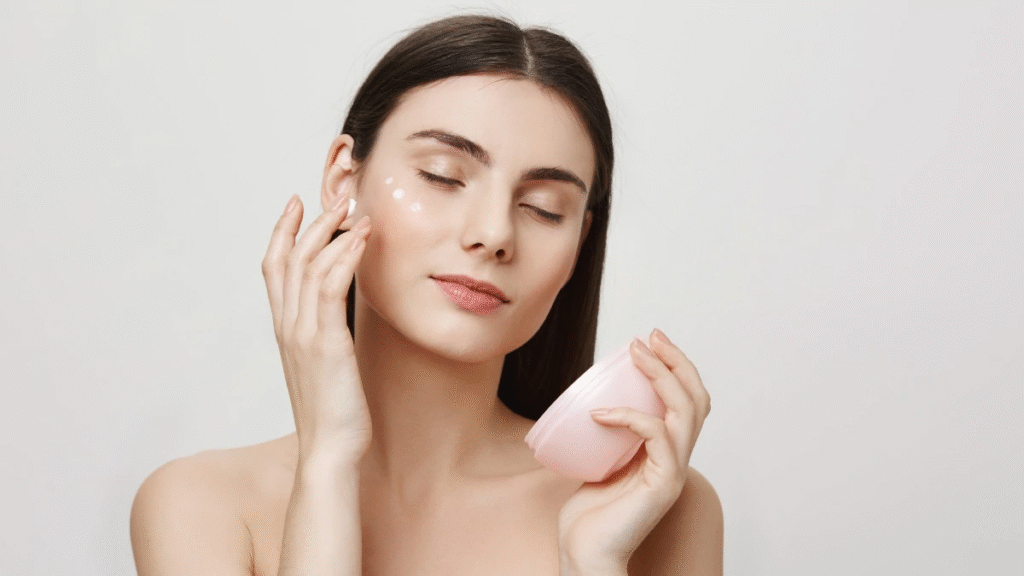
Good skincare extends beyond the products you apply.
Develop these healthy habits:
- Wash makeup brushes regularly.
- Change pillowcases every few days.
- Avoid touching your face unnecessarily.
- Stay physically active.
- Drink enough water.
- Avoid smoking.
- Limit excessive alcohol consumption.
- Remove makeup before sleeping.
- Use clean towels for your face.
These simple practices reduce the buildup of dirt, oil, and bacteria that can contribute to skin concerns.
Choosing the Right Products
When shopping for skincare, avoid buying products simply because they are popular online. Instead, read ingredient lists and choose products designed for your skin type and concerns.
Start with the essentials:
- Cleanser
- Moisturizer
- Sunscreen
Once these basics are established, you can add targeted products such as serums or exfoliants if needed.
Remember that expensive products are not always better. Well-formulated, affordable skincare products can deliver excellent results when used consistently.
Be Patient With Your Skin
Healthy skin does not develop overnight. Many skincare products require several weeks of consistent use before noticeable improvements appear.
Changing products too frequently makes it difficult to know what is helping or causing irritation.
Give your routine time to work, and focus on gradual progress rather than instant perfection
FAQs
1. What is the best skincare routine for healthy skin?
A basic skincare routine includes cleansing, moisturizing, and applying sunscreen every morning. At night, cleanse your skin, use a treatment product if needed, and finish with a moisturizer.
2. How can I get naturally glowing skin?
Maintain a consistent skincare routine, stay hydrated, eat a balanced diet, get enough sleep, and protect your skin from the sun with daily sunscreen.
3. Should I use sunscreen every day?
Yes. Applying a broad-spectrum sunscreen with SPF 30 or higher every day helps protect your skin from UV damage, premature aging, and dark spots.
4. How often should I exfoliate my skin?
Exfoliate 1–2 times a week for most skin types. Avoid over-exfoliating, as it can irritate the skin and damage its natural barrier.
5. How long does it take to see skincare results?
Most skincare products take about 4–8 weeks of consistent use to show noticeable improvements, depending on your skin type and concerns.