
Fashion is much more than following the latest trends or wearing expensive designer labels. It is a powerful form of self-expression that reflects your personality, lifestyle, and confidence. The way you dress creates a lasting first impression, influences how others perceive you, and often affects how you feel about yourself. Whether you’re heading to work, attending a special event, or simply enjoying a casual day out, your style tells a story before you even speak.
Styling, on the other hand, is the art of putting together clothing, accessories, footwear, and grooming in a way that enhances your appearance and expresses your individuality. While fashion changes with the seasons, great style is timeless. Anyone can develop a strong sense of style by understanding the basics, making thoughtful wardrobe choices, and dressing in a way that complements their body shape and personality.
This complete fashion and styling handbook is designed for both men and women who want to build a stylish wardrobe, stay confident, and make smarter fashion decisions every day.
Understanding Fashion and Styling
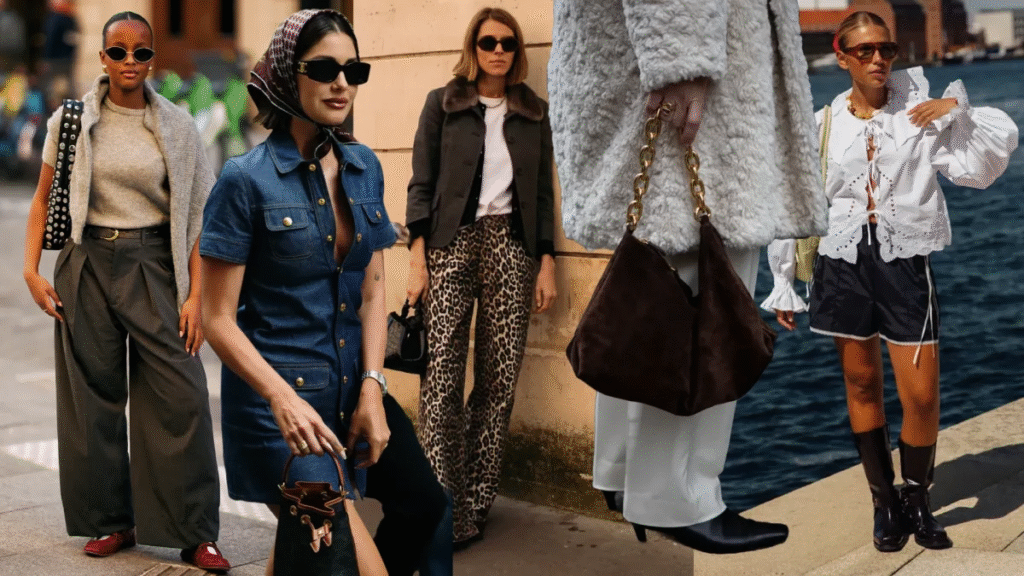
Although the terms fashion and styling are often used interchangeably, they have different meanings. Fashion refers to the latest trends, clothing designs, colours, and styles that dominate the industry during a particular season. Styling is the process of selecting and combining these pieces to create a polished and balanced look.
For example, two people may wear the same white shirt and black trousers, but their styling choices can make their outfits look completely different. One may pair the outfit with trainers and a backpack for a casual appearance, while another may choose leather shoes, a blazer, and a wristwatch for a sophisticated look.
Learning how to style clothing effectively allows you to make the most of your wardrobe without constantly buying new items.
Why Personal Style Matters
Personal style is more than looking fashionable. It reflects who you are and helps you communicate your personality without saying a word. A well-developed style creates consistency in your appearance and makes getting dressed easier each day.
When you wear clothes that fit well and suit your personality, you naturally feel more comfortable and confident. Confidence often comes from knowing that your appearance represents your best self rather than simply following trends.
Developing a personal style also saves time and money. Instead of purchasing clothes based on impulse, you invest in pieces that work well together and remain fashionable for years.
Building a Timeless Wardrobe
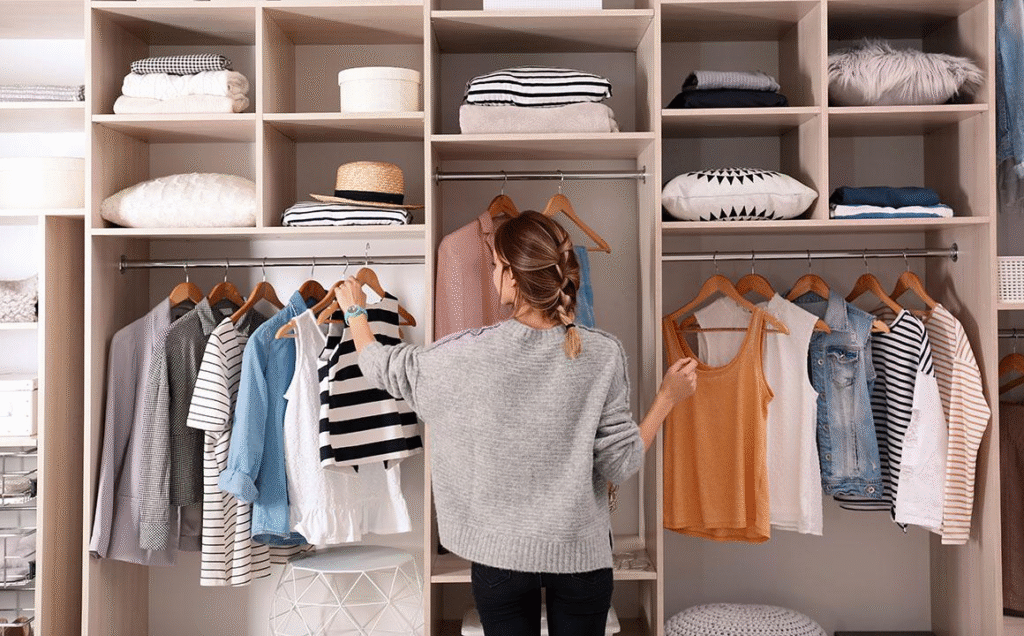
A timeless wardrobe is built around versatile clothing that can be mixed and matched for different occasions. Rather than filling your wardrobe with trendy pieces that quickly go out of fashion, focus on quality basics that never lose their appeal. Essential wardrobe items include well-fitted jeans, plain T-shirts, crisp white shirts, tailored trousers, classic blazers, comfortable trainers, leather shoes, neutral knitwear, and a quality jacket. Women may also include little black dresses, elegant skirts, and versatile handbags. Neutral colours such as black, white, navy, beige, grey, and brown provide an excellent foundation because they pair easily with brighter colours and statement accessories. Quality is always more valuable than quantity. Investing in durable clothing made from premium fabrics ensures your wardrobe remains stylish for years.
Dressing for Your Body Type
One of the biggest secrets of great style is wearing clothes that flatter your body shape. Expensive clothing cannot compensate for poor fit.
People with broader shoulders often benefit from structured jackets that balance proportions. Slim individuals can create dimension through layering and textured fabrics. Those with curvier body shapes usually look best in clothing that defines the waist while maintaining comfort.
Men should pay attention to the fit of shirts, trousers, and jackets. Oversized clothing often appears untidy, while garments that are too tight can restrict movement and create an uncomfortable appearance.
Women should focus on selecting silhouettes that complement their natural figure rather than following every trend. The right fit always looks more elegant than clothing chosen simply because it is fashionable.
Tailoring is another valuable investment. Small adjustments can transform ordinary clothing into garments that fit perfectly.
Choosing Colours That Suit You
Colour plays an important role in fashion and styling. The right colours enhance your complexion, highlight your features, and create visual balance.
People with warm skin tones often suit earthy colours such as olive green, mustard, camel, rust, and cream. Cooler skin tones generally look attractive in navy, emerald green, burgundy, lavender, and charcoal grey.
If you’re unsure where to begin, start with neutral colours before gradually introducing brighter shades through accessories or layering pieces.
Monochromatic outfits, where different shades of the same colour are combined, create an elegant and sophisticated appearance. Contrasting colours can also make an outfit more eye-catching when used thoughtfully.
The Importance of Accessories
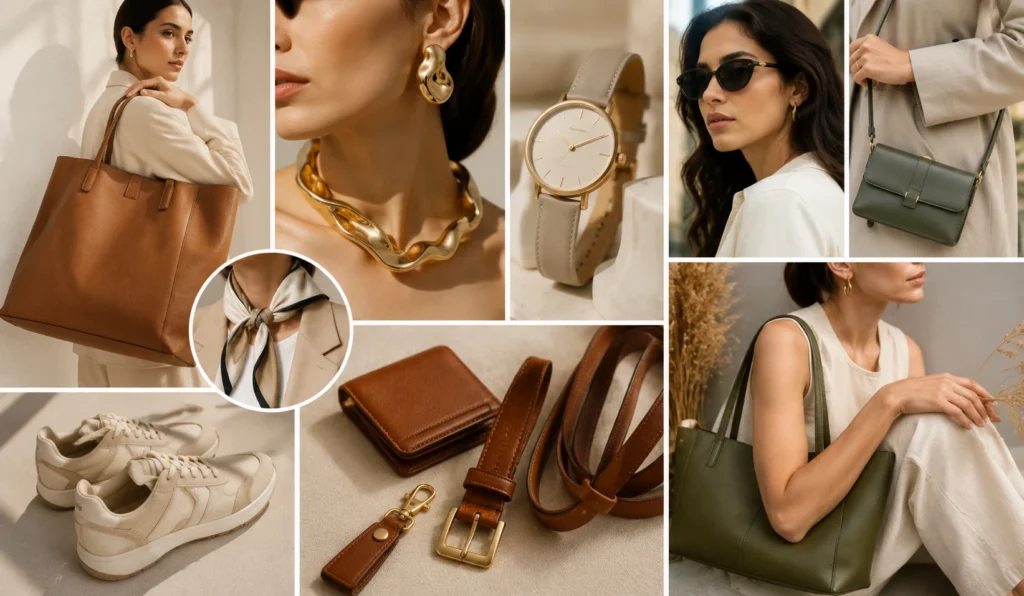
Accessories complete an outfit and often make the biggest difference between looking simply dressed and looking stylish.
For men, classic watches, leather belts, sunglasses, ties, pocket squares, and quality shoes instantly elevate everyday outfits. Women can enhance their appearance with handbags, scarves, jewellery, belts, sunglasses, and elegant footwear.
The key is balance. Too many accessories can overwhelm an outfit, while carefully selected pieces add personality and refinement.
Matching accessories with the overall colour scheme helps create a polished appearance.
Seasonal Fashion Tips
Each season brings unique opportunities to experiment with fashion while remaining comfortable.
During spring, lightweight jackets, pastel colours, cotton shirts, and breathable fabrics create fresh, comfortable outfits.
Summer fashion focuses on linen, cotton, relaxed silhouettes, sunglasses, hats, and comfortable sandals or trainers. Light colours help reflect heat while maintaining a stylish appearance.
Autumn introduces warm tones such as brown, burgundy, olive, and burnt orange. Layering with knitwear, jackets, and boots creates fashionable combinations.
Winter styling prioritises warmth without sacrificing elegance. Wool coats, scarves, gloves, boots, and layered knitwear provide both comfort and sophistication.
Understanding seasonal fabrics allows you to remain stylish throughout the year.
Fashion Tips for Men
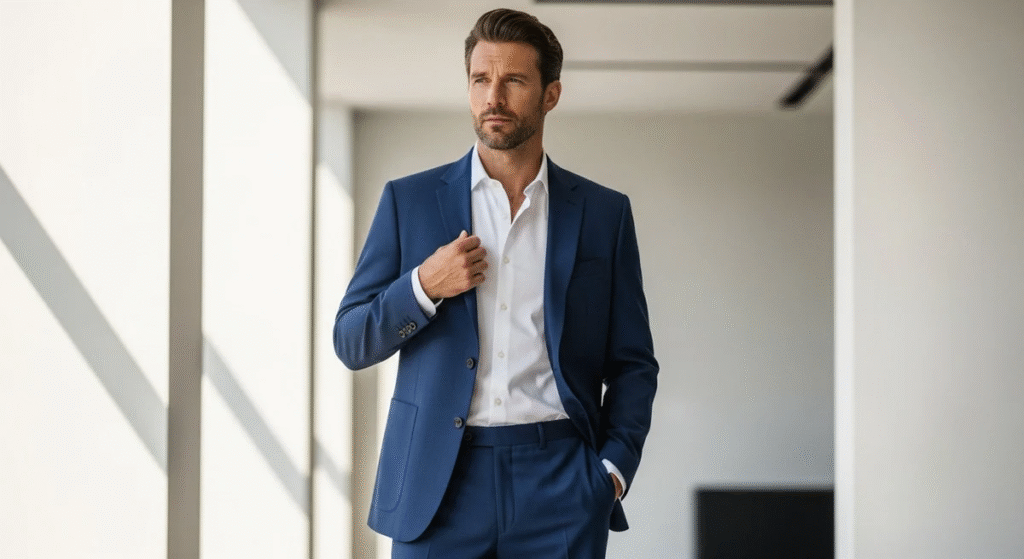
Men’s fashion has evolved beyond basic shirts and trousers. Modern men’s style combines comfort, practicality, and confidence.
Invest in properly fitted clothing rather than oversized garments. Keep shoes clean and polished because they significantly influence your overall appearance. Build a wardrobe around versatile colours that work together effortlessly.
Layering is an effective styling technique. Pairing a T-shirt with an overshirt or lightweight jacket creates depth without appearing overly formal.
Simple accessories such as a classic watch and leather belt add sophistication without being excessive.
Regular grooming, including a neat hairstyle and well-maintained beard if applicable, complements your clothing and completes your overall style.
Fashion Tips for Women
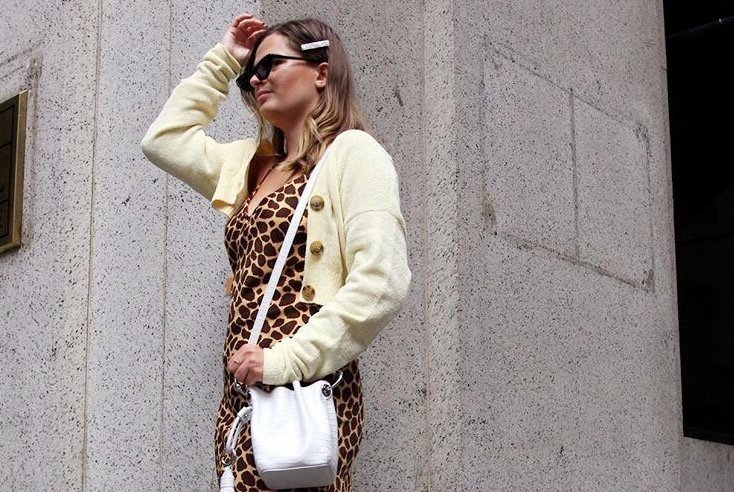
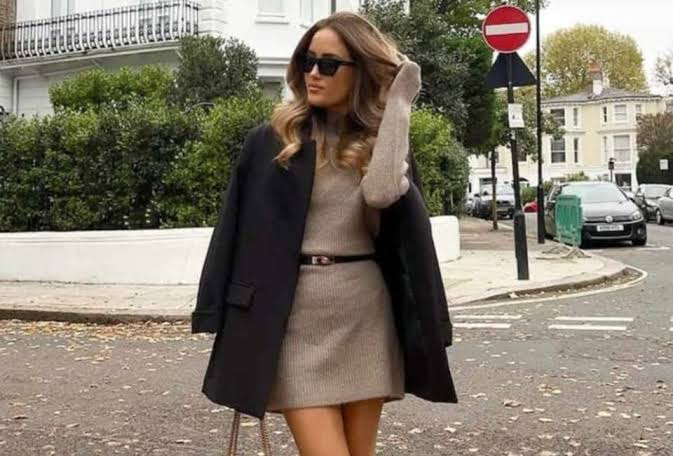
Women’s fashion offers endless opportunities for creativity while maintaining elegance and practicality.
Focus on building a wardrobe around versatile staples that can be styled in multiple ways. Mix classic pieces with a few seasonal trends to keep your outfits current without constantly replacing your wardrobe.
Choose footwear that balances comfort and style, particularly if you spend long hours walking or working.
Experiment with layering through blazers, cardigans, scarves, and jackets to create different looks using the same basic clothing.
Confidence is the most attractive accessory. Wear clothing that reflects your personality rather than simply copying celebrity trends.
Common Fashion Mistakes to Avoid
Many people believe expensive clothing automatically creates good style, but this is rarely true. Poorly fitted designer clothing often looks less appealing than affordable garments that fit perfectly.
Ignoring proper grooming, wearing wrinkled clothes, over-accessorising, choosing uncomfortable footwear, and following every trend without considering personal style are common mistakes.
Another frequent error is neglecting wardrobe organisation. A well-organised wardrobe makes it easier to create coordinated outfits and avoid unnecessary purchases.
Always dress appropriately for the occasion while staying true to your personal style.
Sustainable Fashion
Sustainability has become an important part of modern fashion. Instead of purchasing large quantities of inexpensive clothing, many people now prefer investing in fewer, higher-quality garments that last longer.
Buying timeless pieces, caring for clothing properly, repairing minor damage, and donating unwanted items all contribute to a more sustainable wardrobe.
Choosing quality over quantity not only benefits the environment but also saves money over time.
Fashion should be thoughtful rather than wasteful, encouraging consumers to make smarter purchasing decisions.
Confidence Is the Best Style Statement
No outfit can replace genuine confidence. Fashion should enhance who you are rather than hide your personality. When you feel comfortable in your clothing, your posture improves, your smile becomes more natural, and your confidence shines through.
Style is not about impressing others or owning expensive brands. It is about understanding yourself, wearing clothing that reflects your personality, and presenting yourself with authenticity.
Developing confidence takes time, but every thoughtful wardrobe choice contributes to a stronger sense of self-expression.

FAQ’S
1. What is the difference between fashion and styling?
Fashion refers to the latest clothing trends and designs, while styling is the way you combine clothes, accessories, and footwear to create a unique and polished look that suits your personality.
2. How can I improve my personal style?
Start by choosing clothes that fit well, investing in timeless wardrobe essentials, and wearing colours that complement your skin tone. Confidence and consistency are the key elements of great personal style.
3. Do I need expensive clothes to look stylish?
No. Looking stylish is more about the fit, quality, and how you style your outfits than the price tag. Affordable clothing can look premium when paired thoughtfully and worn with confidence.
4. What are the must-have wardrobe essentials for men and women?
Every wardrobe should include versatile basics like well-fitted jeans, plain T-shirts, white shirts, blazers, comfortable shoes, and neutral-coloured clothing that can be mixed and matched for different occasions.
5. How do I keep up with fashion trends without overspending?
Focus on building a timeless wardrobe first, then add a few trendy pieces or accessories each season. This approach keeps your style fresh while helping you stay within your budget.