
Modern life moves at an incredible pace. Between work responsibilities, family commitments, social obligations, and the constant presence of technology, it often feels as though there are not enough hours in the day. Many people wake up already thinking about deadlines and go to bed worrying about unfinished tasks. In the middle of this fast-moving routine, maintaining a balanced lifestyle can seem impossible.
However, balance does not mean having a perfectly equal amount of time for every part of life. It means creating a lifestyle that allows you to meet your responsibilities while still making space for your health, relationships, hobbies, and personal growth. A balanced life is about making choices that support your physical, mental, and emotional well-being instead of allowing stress to control your daily routine.
The good news is that building a balanced lifestyle does not require a complete life makeover. Small, intentional habits can gradually create meaningful improvements. By focusing on priorities, setting healthy boundaries, and making time for yourself, you can enjoy a healthier and more fulfilling life even in a busy world.
Understanding What a Balanced Lifestyle Really Means
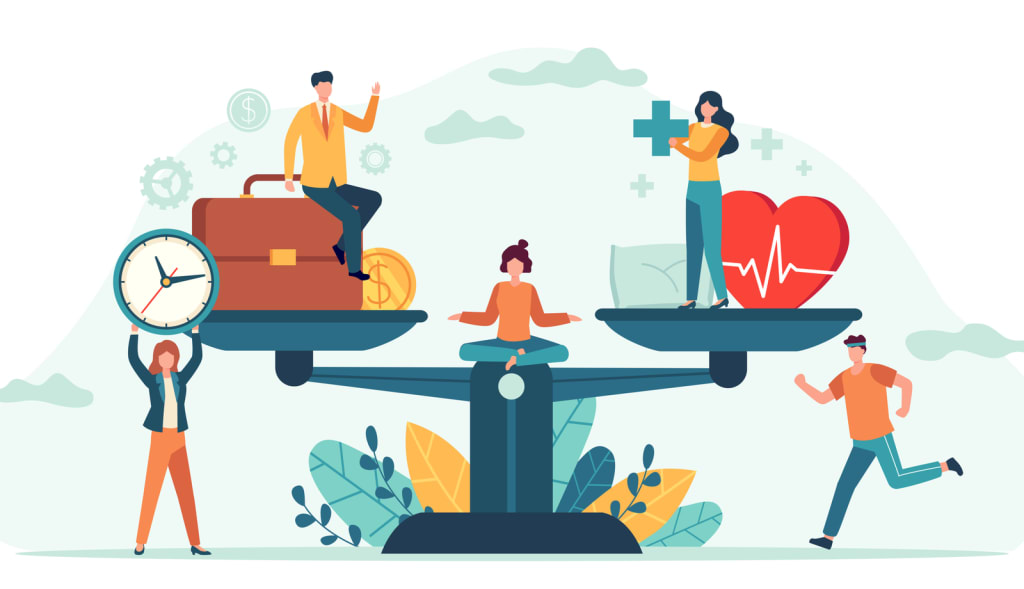
Many people imagine a balanced lifestyle as a perfectly organised schedule where everything goes according to plan. In reality, life is rarely that predictable. Unexpected responsibilities, family emergencies, and work pressures are all part of everyday living.
A balanced lifestyle is not about perfection. Instead, it is about feeling satisfied with how you spend your time and energy. It means giving attention to the different areas of your life without allowing one area to dominate everything else.
For some people, balance means spending more quality time with family. For others, it could mean improving physical health, reducing stress, or finding time to pursue creative interests. Because everyone has different priorities, balance looks different for every individual.
The key is to regularly evaluate whether your daily habits support the life you want to build rather than simply reacting to every demand that comes your way.
Learning to Prioritise What Truly Matters
One of the biggest reasons people feel overwhelmed is that everything begins to feel equally urgent. Emails, meetings, household chores, social media notifications, and personal commitments all compete for attention throughout the day.
Creating balance starts with identifying what matters most. When your priorities are clear, it becomes easier to decide where your time and energy should go.
Rather than trying to accomplish everything, focus on completing the tasks that have the greatest impact on your personal and professional life. Some activities move you closer to your goals, while others simply fill your schedule without adding real value.
Learning to prioritise allows you to spend less time feeling busy and more time making meaningful progress.
Managing Time with Purpose Instead of Pressure
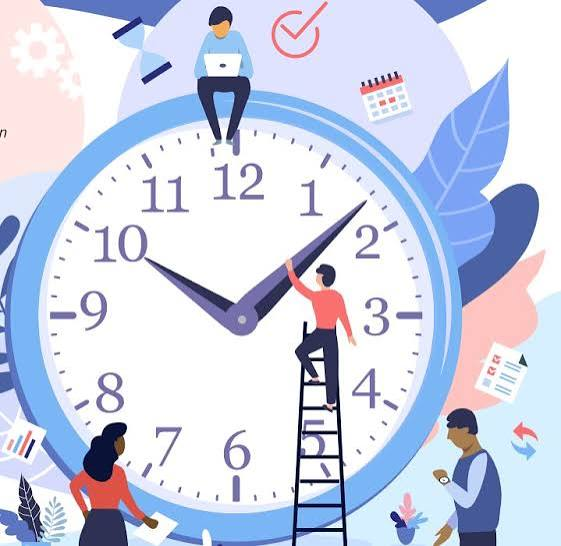
Time management is often associated with squeezing more tasks into the day. A healthier approach is to use your time intentionally rather than constantly trying to become more productive. Planning your day in advance can reduce unnecessary stress and help you stay focused. Instead of jumping from one task to another, grouping similar activities together can improve concentration and reduce mental fatigue.
It is equally important to leave room for unexpected situations. A schedule that is packed from morning until night leaves little space for flexibility and often creates frustration when plans change.
Purposeful time management is about creating a routine that supports your goals while allowing enough breathing room to enjoy life.
Taking Care of Your Physical Health
A balanced lifestyle begins with a healthy body. Physical health influences your energy levels, concentration, mood, and ability to handle everyday challenges.
Regular movement does not necessarily mean spending hours at the gym. Walking, cycling, stretching, dancing, or participating in a favourite sport can all improve overall well-being. The goal is consistency rather than perfection.
Good nutrition also plays an essential role. Choosing balanced meals filled with whole foods, fresh fruits, vegetables, lean proteins, and healthy fats provides the body with the fuel it needs to perform well throughout the day.
Sleep is another important factor that is often overlooked. Many people sacrifice sleep to complete more work, but poor sleep eventually affects productivity, decision-making, and emotional health. Developing a consistent sleep routine helps both the body and mind recover from daily demands.
Protecting Your Mental and Emotional Well-Being
A busy schedule often leaves little time to process emotions or manage stress. Over time, constant pressure can lead to burnout, anxiety, and emotional exhaustion. Protecting your mental well-being means making space for activities that help you relax and recharge.

Reading, journalling, spending time in nature, listening to music, or practising mindfulness can all reduce stress and improve emotional balance. It is also important to recognise when you need support. Talking with trusted friends, family members, or mental health professionals can provide valuable perspective during challenging times.
Mental health should never be treated as less important than physical health. Both are essential for maintaining a balanced and fulfilling lifestyle.
Building Strong and Meaningful Relationships
Human connection is one of the most important parts of a balanced life. Busy schedules often cause people to postpone family gatherings, cancel plans with friends, or become emotionally unavailable.
Strong relationships provide encouragement, comfort, and a sense of belonging. Spending quality time with loved ones does not always require elaborate plans. Simple conversations, shared meals, or evening walks together can strengthen relationships in meaningful ways.
Giving your full attention during these moments is often more valuable than spending long periods together while distracted by phones or work.
Healthy relationships create emotional stability and remind us that success is about more than career achievements alone.
Creating Healthy Boundaries
One of the greatest challenges in today’s world is learning when to say no. Many people take on extra responsibilities because they fear disappointing others or missing opportunities.
Unfortunately, saying yes to everything often leads to exhaustion and resentment
Healthy boundaries protect your time, energy, and mental health. They allow you to focus on commitments that genuinely align with your goals and values.
Setting boundaries might involve limiting work outside office hours, reducing unnecessary social obligations, or taking regular breaks from digital devices.
Although saying no can feel uncomfortable at first, it often creates space for the activities and relationships that truly matter.
Reducing Digital Overload
Technology has transformed the way people live and work, but constant connectivity also brings new challenges. Notifications, emails, social media, and endless online content can consume hours each day without us even noticing.
Creating a balanced lifestyle requires becoming more intentional about digital habits.
Setting specific times for checking emails, limiting social media use, and avoiding screens before bedtime can improve both focus and sleep quality.
Taking occasional digital breaks also allows you to reconnect with the present moment. Whether enjoying a meal, spending time outdoors, or having a conversation with family, being fully present creates richer experiences than constantly multitasking.
Technology should support your lifestyle rather than control it.
Making Time for Personal Growth

Personal growth is often postponed because people believe they will have more time in the future. However, waiting for the perfect moment usually means waiting indefinitely.
A balanced lifestyle includes continuous learning and self-improvement. Reading books, developing new skills, attending workshops, learning a language, or exploring creative hobbies all contribute to personal fulfilment.
Growth does not always have to be career-focused. Learning to cook, painting, gardening, photography, or playing a musical instrument can provide enjoyment while reducing stress.
Investing in yourself creates confidence and keeps life interesting, regardless of age or career stage.
Practising Gratitude Every Day
Gratitude is a simple habit that can significantly improve emotional well-being. In a busy world, it is easy to focus on problems, deadlines, and future goals while overlooking the positive aspects of everyday life.
Taking a few moments each day to reflect on what you appreciate can shift your mindset from stress to contentment.
Gratitude encourages you to recognise meaningful relationships, personal achievements, good health, and small moments of happiness that might otherwise go unnoticed.
This positive perspective helps create emotional balance even during challenging periods.
Accepting That Balance Changes Over Time
One of the biggest misconceptions about balance is believing it remains constant. In reality, different stages of life require different priorities.
A new career, parenthood, education, health challenges, or caring for family members may temporarily shift your focus. During these periods, balance may look very different from what it did previously.
Rather than feeling guilty when life becomes busy, it is more helpful to adapt your routine to current circumstances while continuing to care for your overall well-being.
Flexibility is one of the most important ingredients of a balanced lifestyle. Accepting change allows you to adjust without becoming overwhelmed.
Developing Habits That Last
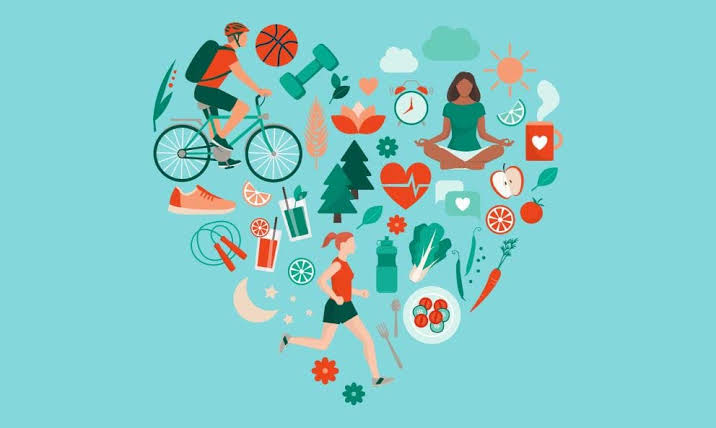
Long-term balance comes from consistent habits rather than occasional bursts of motivation. Many people attempt dramatic lifestyle changes that become difficult to maintain after a few weeks.
Instead, focus on building small routines that fit naturally into your daily life.
Drinking more water, walking for twenty minutes, reading before bed, preparing healthy meals, or spending uninterrupted time with loved ones are simple habits that can produce meaningful long-term results.Consistency is far more powerful than perfection. Even small improvements, repeated regularly, can transform your lifestyle over time.
FAQ’S
1. What is a balanced lifestyle?
A balanced lifestyle means managing your work, health, relationships, and personal time in a way that supports your overall well-being and happiness.
2. Why is work-life balance important?
Work-life balance helps reduce stress, improve mental health, and gives you more time to focus on family, hobbies, and self-care.
3. How can I maintain a balanced lifestyle?
You can maintain balance by managing your time wisely, setting priorities, eating healthy, staying active, and taking regular breaks.
4. What are the biggest challenges to a balanced lifestyle?
Busy schedules, long working hours, excessive screen time, and poor time management are some of the most common challenges.
5. Can small lifestyle changes make a difference?
Yes, small daily habits like getting enough sleep, exercising, and limiting screen time can greatly improve your overall lifestyle and well-being.