
Healthy, beautiful hair is something that many people aspire to have, but achieving it is about much more than simply using expensive shampoos or following the latest beauty trends. Hair care is a combination of healthy habits, proper nutrition, the right products, and understanding your unique hair type. Whether your hair is straight, curly, wavy, thick, thin, oily, or dry, a consistent hair care routine can significantly improve its strength, shine, and overall appearance.
In today’s fast-paced world, our hair is exposed to numerous factors that can affect its health. Pollution, heat styling, chemical treatments, stress, poor diet, and even weather conditions can leave hair looking dull, dry, or damaged. While it’s impossible to avoid every harmful factor, understanding how to care for your hair properly can help minimize damage and keep it looking its best.
The good news is that healthy hair doesn’t require complicated routines or costly salon treatments. Small daily habits, combined with the right products and lifestyle choices, can make a noticeable difference over time. Hair care is not about perfection—it’s about consistency and giving your hair the attention it deserves.
Understanding Your Hair Type
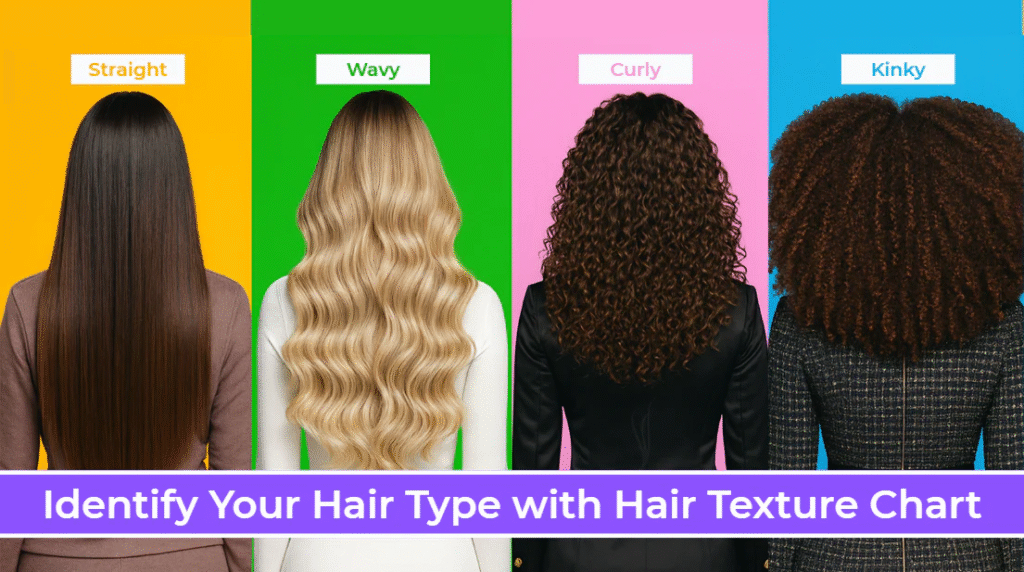
The first step toward effective hair care is understanding your hair type. Every person’s hair is unique, and what works for one individual may not work for another. Hair generally falls into several categories, including straight, wavy, curly, and coily. It can also vary in thickness, density, and texture.
Knowing your hair type helps you choose suitable products and styling methods. For example, curly hair often needs more moisture because natural oils take longer to travel down the hair strands. Straight hair may become oily more quickly, while fine hair benefits from lightweight products that don’t weigh it down.
Paying attention to your scalp is equally important. Some people naturally have oily scalps, while others experience dryness or sensitivity. Treating your scalp according to its needs creates a healthier environment for hair growth and helps prevent issues such as dandruff or irritation.
The Importance of a Healthy Scalp
Healthy hair begins with a healthy scalp. The scalp contains thousands of hair follicles, and these follicles rely on proper care to produce strong, healthy strands. Ignoring scalp health can lead to itching, flaking, excessive oil production, and weakened hair.
Keeping your scalp clean helps remove dirt, excess oil, sweat, and product buildup that can clog follicles. However, washing too frequently may strip away natural oils, causing dryness and irritation. Finding the right balance depends on your hair type and lifestyle.
Scalp massages are another simple yet effective habit. Gently massaging your scalp for a few minutes during washing improves blood circulation, which helps deliver oxygen and nutrients to the hair follicles. While massages alone won’t create dramatic hair growth, they contribute to a healthier scalp environment.
Choosing the Right Shampoo and Conditioner

One of the most common mistakes people make is choosing hair products based solely on advertisements or popularity rather than their hair’s specific needs. A good shampoo should cleanse your scalp without removing all its natural moisture.
If you have oily hair, a clarifying shampoo may help control excess oil. If your hair is dry or chemically treated, a moisturizing shampoo is often a better option.
Conditioner is equally important because it restores moisture, smooths the hair cuticle, and reduces tangles. Applying conditioner mainly to the mid-lengths and ends of your hair helps prevent dryness while avoiding excess buildup near the scalp.
Using products designed for your hair type can make styling easier and improve the overall health and appearance of your hair over time.
How Often Should You Wash Your Hair?
There is no universal answer to how often you should wash your hair. The ideal frequency depends on your scalp type, hair texture, physical activity, and daily routine.
People with oily scalps may prefer washing every one to two days, while those with dry or curly hair often benefit from washing only two or three times a week. Overwashing can remove essential natural oils, making hair more prone to dryness and breakage.
Instead of following strict rules, observe how your hair feels. If your scalp becomes greasy or itchy, it may be time to wash it. If your hair still feels soft and clean, waiting another day may actually benefit its natural moisture balance.
Nourishing Your Hair from Within
Healthy hair starts with a healthy body. While external products improve the appearance of hair, nutrition plays a significant role in its long-term strength and growth.
Protein is one of the most important nutrients because hair is primarily made of keratin, a type of protein. Including foods such as eggs, fish, beans, dairy products, and lean meats supports healthy hair production.
Iron, zinc, vitamin D, biotin, omega-3 fatty acids, and vitamins A, C, and E also contribute to stronger hair. A balanced diet rich in fruits, vegetables, whole grains, nuts, and healthy fats provides many of the nutrients your hair needs.
Drinking enough water is equally important. Hydration supports healthy skin and scalp function while helping maintain hair’s natural moisture.
Protecting Hair from Heat Damage
Heat styling tools such as straighteners, curling irons, and blow dryers are popular because they make styling quick and convenient. However, frequent exposure to high temperatures weakens the hair shaft, causing dryness, split ends, and breakage.
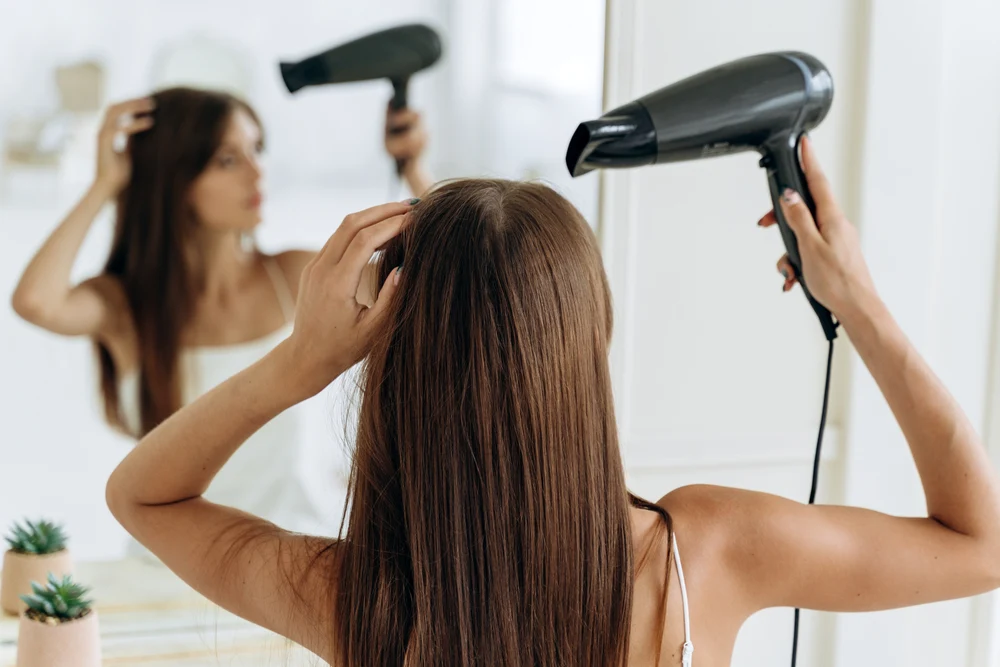
Whenever possible, allow your hair to air dry naturally. If you use heat tools, apply a heat protectant beforehand to reduce damage. Choosing lower heat settings and avoiding repeated passes over the same section also helps preserve hair health.
Giving your hair regular breaks from heat styling allows it time to recover and maintain its natural strength.
The Role of Hair Oils
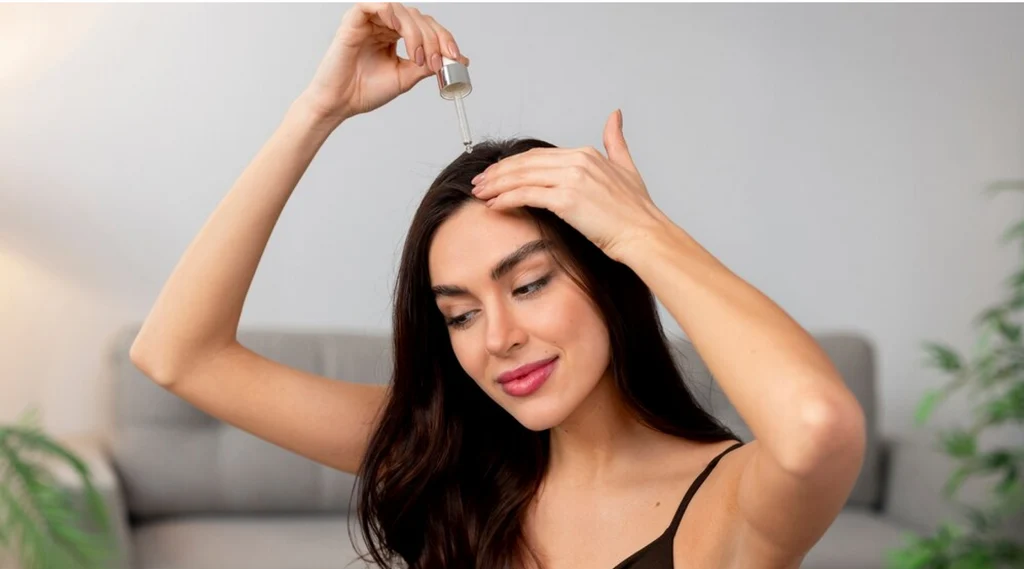
Hair oils have been used for centuries to nourish and protect hair. Different oils provide different benefits depending on your needs.
Coconut oil is known for reducing protein loss and helping strengthen hair.
Argan oil adds shine while controlling frizz. Castor oil is often used to improve moisture, while jojoba oil closely resembles the scalp’s natural oils and helps maintain balance.
Using a small amount of oil on the ends of your hair can reduce dryness and improve manageability. Some people also enjoy occasional scalp oil massages before shampooing as part of their weekly hair care routine.
The key is moderation, as applying too much oil may leave hair feeling greasy rather than healthy.
Preventing Hair Damage
Many everyday habits unknowingly contribute to hair damage. Tight hairstyles, rough towel drying, excessive brushing, chemical treatments, and harsh weather conditions can weaken hair over time.
Instead of rubbing your hair vigorously with a towel, gently squeeze out excess water using a soft microfiber towel or cotton T-shirt. Use a wide-tooth comb to detangle wet hair carefully, starting from the ends and working upward.
Loose hairstyles place less stress on the hair follicles and reduce the risk of breakage. Protecting your hair from excessive sun exposure by wearing hats or scarves during hot weather can also help maintain its health.
Small adjustments in your daily routine can prevent significant damage over the years.
Managing Common Hair Problems
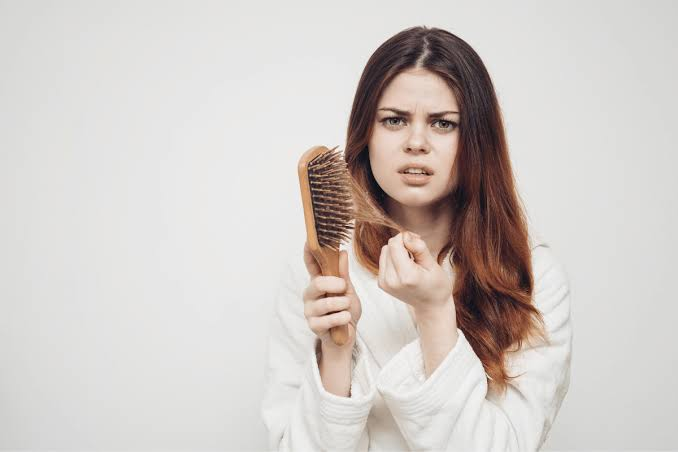
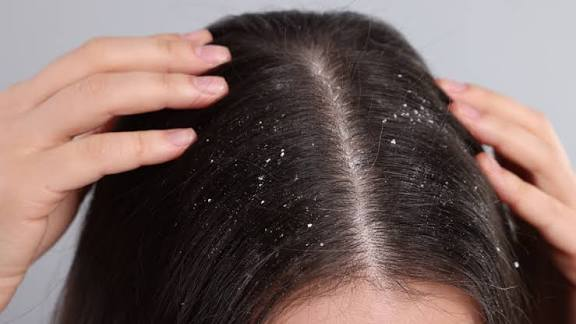
Almost everyone experiences hair concerns at some point. Hair fall, dandruff, dryness, oily roots, split ends, and frizz are among the most common issues.
Hair shedding is normal to some extent, but excessive hair loss may result from stress, hormonal changes, illness, nutritional deficiencies, or certain medical conditions. If you notice sudden or severe hair loss, consulting a healthcare professional is advisable.
Dandruff often develops due to an irritated or oily scalp and can usually be managed with medicated shampoos or gentle scalp care.
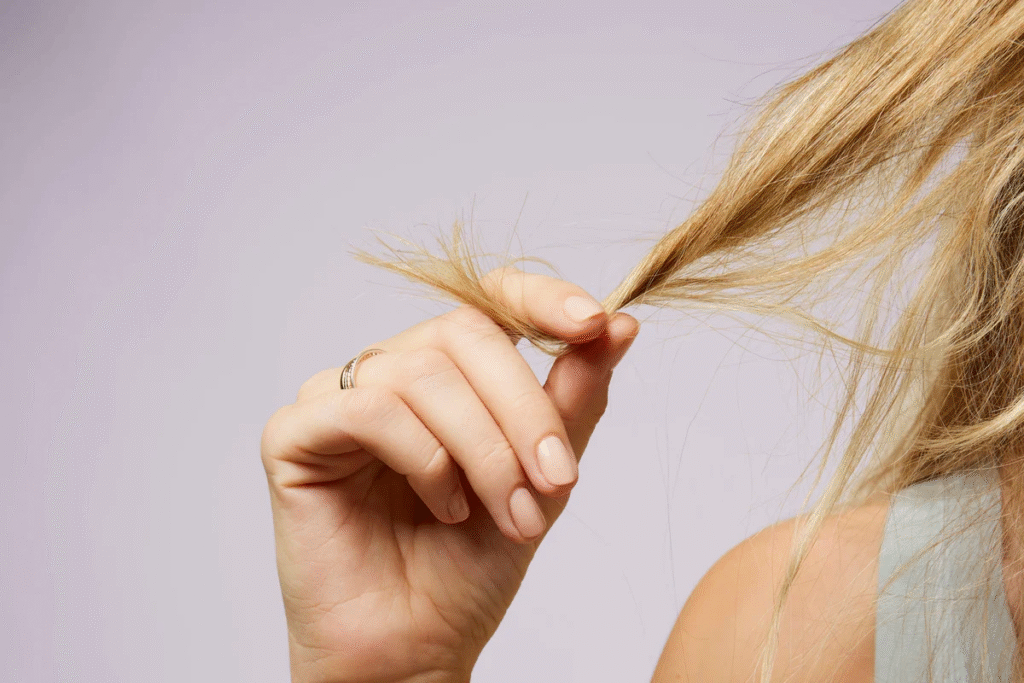
Split ends cannot be permanently repaired, making regular trims the most effective solution. Trimming every six to eight weeks helps maintain healthy-looking hair and prevents further splitting.
Understanding the cause of your hair concern is the first step toward choosing the most appropriate solution.
Creating a Weekly Hair Care Routine
Consistency matters far more than using dozens of products. A simple weekly routine often produces better results than constantly changing products.
A balanced routine may include cleansing your hair according to its needs, conditioning after every wash, using a nourishing hair mask once a week, limiting heat styling, and protecting your hair while sleeping with a silk or satin pillowcase.
Regular scalp massages and occasional clarifying treatments can also help remove buildup and maintain a healthy scalp.
Remember that improvements take time. Hair grows gradually, and noticeable changes usually appear after several weeks or months of consistent care.
Hair Care Myths You Should Ignore
Many hair care myths continue to circulate despite lacking scientific evidence.
One common myth is that cutting your hair makes it grow faster. Hair grows from the scalp, not from the ends, so trimming simply removes damaged ends and improves appearance.
Another misconception is that brushing your hair one hundred times a day improves growth. Excessive brushing may actually increase breakage, especially when hair is wet.
Some people also believe expensive products automatically produce better results. In reality, the most suitable product is the one formulated for your hair type, regardless of price.
Learning to separate facts from myths allows you to make smarter hair care decisions.
The Importance of Patience
Hair care is a long-term commitment rather than a quick fix. Many people expect immediate improvements after changing products or routines, but healthy hair develops gradually.
Hair typically grows around one to one and a half centimetres each month, meaning significant improvements require patience and consistency. Instead of constantly switching products, give your routine enough time to produce results.
Celebrate small improvements, such as smoother texture, reduced breakage, or increased shine. These signs indicate your hair is becoming healthier over time.
FAQ’S
1. What is the best daily hair care routine?
A simple routine includes washing your hair with a suitable shampoo, using conditioner, protecting it from heat, and applying a nourishing hair oil or serum when needed. Consistency is more important than using many products.
2. How often should I wash my hair?
It depends on your hair type. Oily hair may need washing every 1–2 days, while dry or curly hair often stays healthier with washing 2–3 times a week.
3. What foods help keep hair healthy?
Protein-rich foods, leafy greens, eggs, nuts, fish, fruits, and foods rich in vitamins and iron support healthy hair growth. Staying hydrated is also essential for maintaining strong, shiny hair.
4. How can I prevent hair damage naturally?
Avoid excessive heat styling, harsh chemical treatments, and tight hairstyles. Regular conditioning, gentle brushing, and protecting your hair from sun exposure can help prevent damage.
5. Why is my hair falling out more than usual?
Hair fall can result from stress, poor nutrition, hormonal changes, illness, or genetics. If you notice sudden or excessive hair loss, it’s best to consult a healthcare professional for proper evaluation.