
Every year as August rolls in, you can feel a subtle shift in the crisp morning air. Monsoon showers wash the earth clean, leaving grass vivid and damp underfoot. A gentle breeze rustles through classroom windows, and familiar patriotic melodies drift from the speakers while saffron, white, and green flags catch the wind. Independence Day isn’t just a date marked on a school calendar or a reason for an extra day off; it’s a quiet moment where an entire community pauses, feels its roots, and reflects on where we are walking together.
For any student stepping up behind a wooden podium, holding a microphone with slightly nervous fingers, speaking on Independence Day is a rite of passage. It is a genuine chance to look out at classmates and teachers, take a breath, and share an honest reflection on what freedom actually means when we step into our daily routines.
To deliver a speech that truly stays with people, you don’t need to recite endless dates or memorize dry lists from a textbook. The most memorable Independence Day talks bridge past history with our present lives—honoring the quiet grit of those who came before us while reminding everyone that building a better nation is a living, breathing effort that happens every single day.
What Makes an Independence Day Speech Truly Inspiring?
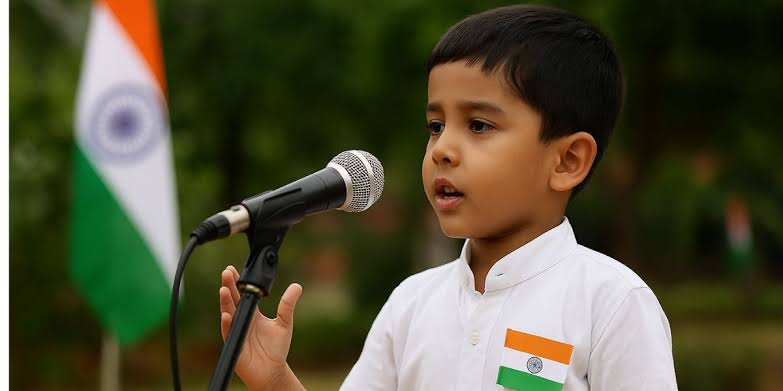
When you step up to speak, your goal isn’t to sound like a politician or put on a dramatic performance. The speeches people carry home in their hearts are simple, grounded, and human. They speak directly to shared experiences and quiet, everyday thoughts.
An authentic student speech flows naturally through a few thoughtful beats:
- A Warm, Real Greeting: Welcoming your school community like real people—friends, peers, and mentors—not reciting a rigid script.
- The Weight of the Day: Reminding everyone why 15 August 1947 still stirs something quiet and deep inside us.
- Honoring the Effort: Acknowledging the extraordinary perseverance of those who cultivated our freedom out of tough soil.
- Connecting Freedom to Modern Life: Asking what liberty looks like when we step through our front doors each morning.
- Cherishing Our Tapestry: Celebrating India’s rich variety—languages, rivers, food, and traditions living side by side.
- The Power of Daily Habits: Showing how tiny, daily choices by students weave the actual fabric of the country.
- A Grounded Ending: Finishing with an encouraging thought that lingers long after the assembly ends.
Instead of trying to cover decades of historic events, pick one strong anchor—like kindness, caring for our natural surroundings, fairness, or quiet civic duty—and let your words flow naturally around it.
4 Inspiring Speech Themes for Every Student
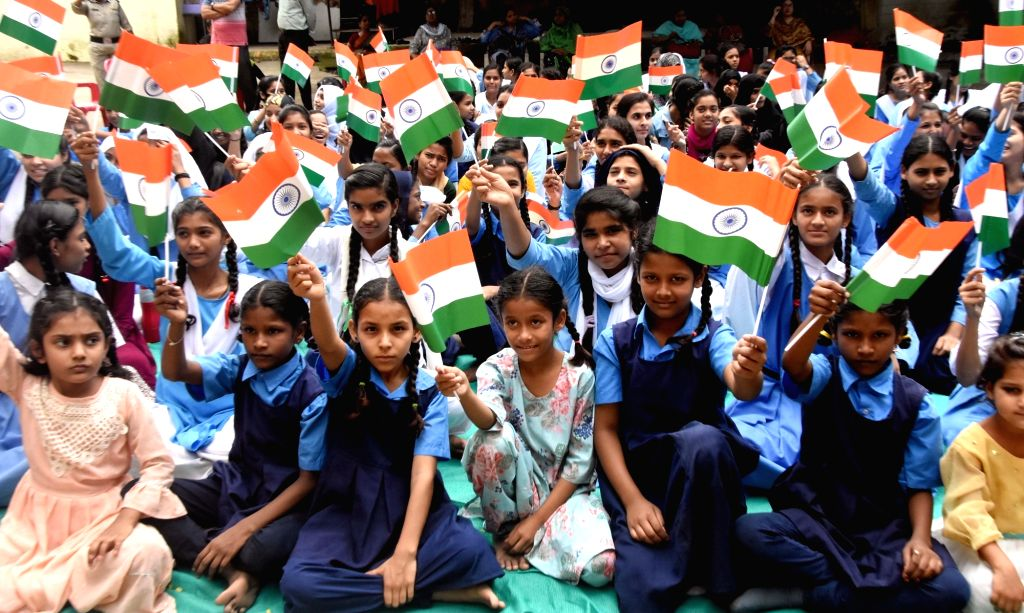
Having a central theme gives your speech a steady, comfortable rhythm, much like a river flowing through a quiet landscape. Here are four grounding themes:
Theme 1: Unity in Diversity — The Soil that Sustains Us
India’s real strength lies in its incredible variety. Just like an ancient forest thrives because it cradles banyan trees, wild blossoms, winding streams, and fertile soil all together, our nation draws its life from millions of unique voices living side by side. On Independence Day, we celebrate this unity in diversity and remember that our differences are among the greatest strengths of our nation.
Theme 2: Freedom as Responsibility — Caring for Our Shared House
It’s easy to think of freedom as simply doing whatever we feel like. But true independence is more like caring for a shared home; it comes with the quiet duty to sweep the courtyard, mend what breaks, look out for neighbors, and ensure everyone under its roof feels safe. On Independence Day, we are reminded that freedom is not only a right to celebrate, but also a responsibility to protect and strengthen our shared home.
Theme 3: The Unsung Heroes — Roots Beneath the Surface
We all know the famous names in our history books, but our freedom was also built by millions of quiet, nameless individuals—farmers working under the hot sun, mothers holding homes together, village teachers, and local workers. Honor those deep, hidden roots that nourished the tree of our nation. This Independence Day, let us also remember and honor these unsung heroes whose contributions helped shape the India we live in today.
Theme 4: Everyday Patriotism — Small Choices, Deep Impact
Patriotism doesn’t require grand stage speeches or heroic acts. It grows organically in small, ordinary moments: choosing not to litter on the street, holding open a door, standing up against bullying in school corridors, or doing your work with honest care. On Independence Day, these small acts remind us that patriotism is not just about celebrating our freedom, but also about contributing to the nation in our everyday lives.
Ready-to-Use Sample Speeches
Here are six complete Independence Day speech options written in a warm, natural voice. Whether you need a 1-minute talk for a quick classroom presentation or a 5-minute address for a full assembly, choose the one that fits your comfort level best.
Option 1: Short & Sweet (1 to 2 Minutes)
Ideal for primary or middle school students, or quick classroom presentations.
Good morning to our respected principal, devoted teachers, and my dear friends.
Today, as our national flag unfolds high in the morning sky, we gather to celebrate India’s Independence Day. On 15 August 1947, our country stepped into the light of freedom after decades of courageous struggle.
When I look around today, I feel deep gratitude. We owe this day to brave leaders like Mahatma Gandhi, Subhas Chandra Bose, Bhagat Singh, and Sarojini Naidu, along with thousands of unnamed heroes who fought selflessly for our dignity.
But freedom is like a young tree—it needs daily care and nourishment to thrive. As students, we don’t need to perform grand acts to express our patriotism. We care for our nation when we keep our surroundings clean, study with genuine curiosity, respect our classmates, and help those in need.
Let us promise today to grow into honest, kind, and responsible human beings.
Happy Independence Day to everyone! Jai Hind!
Option 2: Short & Simple (Ideal for Primary & Middle School)
A warm, nature-inspired variant for younger speakers.
Good morning to our respected principal, hardworking teachers, staff, and all my friends.
Today, as our national flag unfurls high up in the blue sky, we gather under its shade to celebrate India’s Independence Day. On 15 August 1947, our nation took its first steps into the open light of freedom after a long, difficult struggle.
Standing here today, I feel a quiet sense of gratitude. We owe this peaceful morning to courageous leaders like Mahatma Gandhi, Subhas Chandra Bose, Bhagat Singh, and Sarojini Naidu, along with thousands of brave men and women whose names history books couldn’t fit. They dreamed of an India where every child could go to school, speak freely, and grow without fear.
But freedom is like a young sapling planted in a garden. It needs daily watering, sunshine, and thoughtful care to grow into a strong tree. As students, we don’t need to perform huge feats to show love for our country. We care for India when we keep our classrooms tidy, take care of plants, treat our classmates with kindness, and speak up when something isn’t fair.
Let us promise today to grow into honest, helpful, and thoughtful human beings. Happy Independence Day to everyone!
Jai Hind!
Option 3: Standard & Inspiring (3 to 4 Minutes)
Ideal for middle/high school assemblies and speech competitions.
Respected principal, esteemed teachers, invited guests, and my fellow students—a very warm morning to you all.
As we stand together today looking up at the Tiranga, it is natural to feel a surge of pride. 15 August is far more than a date in a textbook; it is a living reminder of what human grit, unity, and a shared dream can build out of hardship.
Think about the freedom struggle for a moment. It was fed by people from every corner of India—from small villages to bustling towns. Figures like Rani Lakshmibai, Netaji, Sardar Patel, Aruna Asaf Ali, and Begum Hazrat Mahal came from entirely different backgrounds, yet they shared a single vision: an equal, free, and self-reliant nation.
Today, we must ask ourselves: What does freedom mean to our generation?
For us, freedom means access to education, technology, and the right to express our thoughts openly. But real freedom cannot live alongside pollution, inequality, or disrespect. True independence means ensuring that every citizen—regardless of their background—can live with safety and dignity.
As young citizens, our contribution starts right here in our daily routines. We build India when we protect our natural environment, act responsibly online, reject hate, and carry out our studies with sincerity. The future of our country is being written right now in our classrooms and playgrounds.
Let us pledge to be thoughtful caretakers of this land, building a compassionate, strong, and united India.
Thank you, and Jai Hind!
Option 4: Deep & Reflective (3 to 4 Minutes)
An expanded, thoughtful option for senior middle school and high school students.
Respected principal, beloved teachers, guests, and fellow students—a very warm morning to you all.
As we stand together today looking up at the Tiranga, it’s hard not to feel a deep wave of pride. But 15 August is much more than a routine ceremony or an annual tradition. It is a living reminder of what human grit, quiet patience, and a shared dream can build out of hardship.
If you close your eyes and think about the movement for freedom, it was fed by rivers of effort from every corner of this land—from remote mountain villages to coastal towns. Leaders like Rani Lakshmibai, Netaji, Sardar Patel, Aruna Asaf Ali, and Begum Hazrat Mahal came from entirely different worlds, yet they were bound together by a simple, powerful belief: that every human being deserves to live with dignity and independence.
Today, we have to ask ourselves an honest question: What does freedom mean to our generation right now?
For us, freedom means having access to libraries, the internet, education, and the right to express our thoughts openly. But genuine liberty cannot survive alongside dirty streets, polluted rivers, poverty, or hatred. True independence means building a space where no one feels left behind, ignored, or unsafe.
Our responsibilities as young people begin right in our daily surroundings—in how gently we treat the environment, how responsibly we communicate online, and how much integrity we bring to our daily work. The future of India isn’t some distant event happening tomorrow; it is being shaped right now in how we act today.
Let us pledge to be careful, compassionate guardians of this land, helping build an India that is kind, strong, and fair for all.
Jai Hind! Bharat Mata Ki Jai!
Option 5: Action-Oriented & Modern (4 to 5 Minutes)
Ideal for senior high school students or student council representatives.
Good morning to our principal, teachers, and my wonderful peers.
Feel the morning breeze, listen to the melodies in the air, and look up at the saffron, white, and green fluttering above us. There is something deeply grounding about 15 August. Today marks another step in our ongoing journey as a free nation—a journey built on sacrifice, patience, and unyielding hope.
Over the decades, India has made remarkable progress. From space exploration and digital technology to sports and agriculture, our nation continues to leave its mark on the world stage. Yet, nation-building is never a finished product. It is a continuous river, shaped by every generation that steps up to take responsibility.
As students, we often ask: How can we contribute to India right now?
The answer is remarkably simple. We build India when we care for our common home—by conserving water, planting trees, and reducing waste. We build India when we practice empathy, verify information before sharing it online, and treat every worker with equal respect. Real patriotism isn’t confined to grand ceremonies; it lives in our daily choices, honesty, and kindness.
Our actions today lay the foundation for the India of tomorrow. Let us make sure that foundation is built on integrity, inclusion, and hard work.
Wishing you all a very Happy Independence Day! Jai Hind! Vande Mataram!
Option 6: Youth & Future Focused (4 to 5 Minutes)
A reflective, grounded option focusing on environmental stewardship and student life.
Good morning to our principal, teachers, and my fellow students.
Walk outside on an August morning, feel the cool air on your face, and watch our flag catch the breeze. There is something deeply grounding about this moment. Today marks another chapter in our story as a free people—a story written through immense sacrifice, patience, and unwavering hope.
Over the years, India has accomplished incredible things. We’ve reached the moon, developed world-class technology, built thriving arts and sports communities, and grown our food systems to feed millions. Yet, building a country is never a finished job. It’s like a flowing river, constantly refreshed and redirected by every new generation that steps into its waters.
As students sitting at school desks, we often wonder: What can we actually do for our nation right now?
The answer is closer than we think. We strengthen India when we protect our natural surroundings—saving water, planting shade trees, and cutting down on waste. We strengthen India when we choose empathy over anger, double-check information before spreading it online, and show basic respect to every working person we cross paths with.
Our small, everyday choices are the soil in which the future of this country takes root. Let’s make sure we nourish it well.
Thank you, and wish you all a very Happy Independence Day!
Jai Hind!
Quick Reference for Speech Structure
| Speech Section | Main Purpose | How to Keep it Natural |
|---|---|---|
| Opening | Welcome the audience and set a warm tone | Use a genuine greeting or share a simple observation about the morning |
| Historical Anchor | Pay honest tribute to past sacrifices | Focus on the human spirit and courage behind the struggle, not just dates |
| Modern Connection | Bring the conversation into the present | Touch on real, everyday topics like nature, technology, and community life |
| Student’s Role | Highlight practical, actionable responsibility | Focus on small, achievable habits like honesty, kindness, and environmental care |
| Closing | Leave the room with a sense of hope | End with a clear, positive thought and a warm patriotic slogan |
How to Write Your Own Speech from Scratch
If you want to sit down with a notebook and pen to write a speech that reflects your personal voice, follow this organic flow:
A Genuine Hook ──> Grounded History ──> Today’s Reality ──> Everyday Action
- Start with Something You Notice: Begin with a real sensory detail—like the sight of the flag against the morning sky, the sound of songs floating across the playground, or a simple thought about what freedom feels like when you wake up.
- Acknowledge the Past with Respect: Spend a moment reflecting on the determination and grit of those who came before. Keep it sincere rather than overly formal.
- Look Around at Today: Connect history to modern life. What are we doing well as a country? What still needs our care—like cleaner streets, better schools, or healthier rivers?
- Bring it Back to Your Classroom: Talk about what kids and teenagers can actually do right now. Real patriotism is found in daily character and quiet choices, not grand speeches.
- Wrap Up Warmly: End with a strong, grounded sentence that brings a sense of hope, followed by a simple, uplifting call like Jai Hind.
Practical Tips for Delivering Your Speech with Confidence
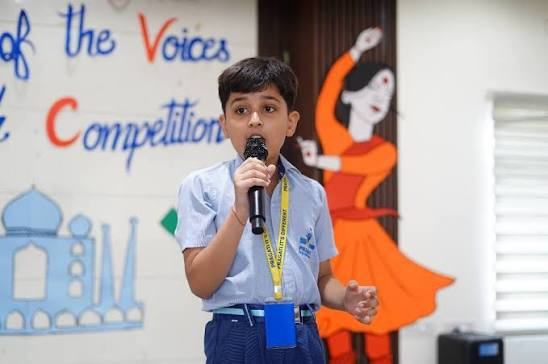
Writing down your thoughts is step one, but delivering them aloud is where the speech breathes and comes to life. It’s completely normal to feel butterflies in your stomach—even seasoned speakers feel that nervous spark. As you prepare for your Independence Day speech, here are a few practical ways to channel that energy cleanly:
- Practice Out Loud in Your Room: Reading silently in your head feels smooth, but speaking aloud uses different vocal muscles. Practicing out loud helps you spot tricky phrases, adjust your breathing, and find a natural speaking rhythm.
- Give Your Words Room to Breathe: When people get nervous, they tend to rush. Force yourself to slow down. Taking a short pause after an important sentence gives your audience a second to digest your thought—and gives you a moment to catch your breath.
- Focus on the Idea, Not a Script: Don’t try to memorize every single comma and period. If you focus on the meaning of what you want to say, you won’t panic if you swap a word or skip a line. Just speak the idea in your own natural words.
- Make Eye Contact with Friendly Faces: Instead of staring at your paper or looking at the distant ceiling, find three or four friendly faces in different parts of the crowd. Speak directly to them one at a time. It grounds you and makes the talk feel like a conversation.
- Keep Your Posture Open: Stand tall with your feet firmly planted on the ground, like a sturdy tree. Keep your hands relaxed. Natural hand gestures are great, but avoid twisting your paper or fidgeting.
- Trust Your Message: The best speeches come from a place of genuine care. If you mean what you say, that sincerity will carry through your voice, and people will listen intently.
Frequently Asked Questions
Q: Do I need to memorize every single line?
Honest answer? Nope. Just grab hold of your main point and talk like you’re explaining it to a buddy.
Q: What if my brain completely shuts down up there?
Happens to the best of us. Just stop, take a slow breath, check your notes, and keep rolling—nobody minds.
Q: How long should I actually talk for?
Stick to two or three minutes top. Keep it short, make it count, and wrap up before eyes start wandering.
Q: Is it weird if I throw in some local words?
Not at all, go for it! Slipping in words from home makes you sound like a real person, not a robot reading a script.
Q: How do I stop my hands from shaking?
Lock your feet to the floor, take two big deep breaths, and just talk directly to one smiling face in the crowd.