
Let’s be honest about getting ready for work. On a rainy Tuesday when your alarm went off three times, you’re running late, and you’re already dreading the commute, nobody is sitting around trying to be a fashion icon. You aren’t trying to make a grand entrance or impress a runway judge. You just want to throw something on, get out the door, and get through the day without looking like a mess or feeling uncomfortable by lunchtime in formal wear.
Most of us want the exact same thing: an outfit that looks like we care, doesn’t dig into our stomach when we sit at a desk for six hours, and doesn’t require standing in front of an open closet every morning having a minor crisis.
Dressing well for work isn’t rocket science. You don’t need to memorize rigid style manuals, keep up with whatever is trending on social media this week, or blow half your paycheck on designer tags. You just need a simple, reliable routine that fits your actual office, feels good to wear, and lets you focus on your actual job in formal wear.
1. Stop Buying Clothes for an Imaginary Job

The biggest mistake most of us make is buying work clothes for a life we don’t live. We buy a stiff, formal suit or an uncomfortable dress because it looked sharp in a movie or on an online model, only to realize two weeks later that it makes zero sense for our actual day-to-day work in formal wear.
A lawyer, a tech lead, and an ad agency designer all work hard, but if they swapped closets, they’d all look like they were wearing a party costume.
Before you buy another piece of clothing, spend a week just watching people around your office or on your team calls. Look at the colleagues who seem respected, effective, and genuinely relaxed. What are they actually wearing on a random Thursday?
- Strict Corporate: If you’re in law or finance, stick to the classics. Clean dark suits, crisp button-downs, and neat leather shoes. It’s straight to the point, authoritative, and leaves zero guesswork.
- Standard Office: A sharp blazer over dark trousers, a simple dress, or a neat button-down tucked into a clean skirt works every single time. It looks put-together without feeling like you’re trying too hard.
- Smart Casual: Rigid suits will make you look totally out of place here. Dark, well-fitted chinos, simple knits, clean blouses, and neat loafers or minimalist leather sneakers fit right in.
- Regional Style: If your office embraces traditional wear, high-quality cotton or soft silk sarees, or simple, well-fitted kurta sets paired with a short blazer, look incredibly sharp and take almost no effort to pull off.
2. Three Simple Things That Matter Way More Than Brand Names
You don’t need expensive labels to look good. An expensive shirt that fits terribly will always look worse than a $20 shirt that fits your body properly. If you get these three basics right, you’ll naturally look more put-together than half the people in the building in formal wear.
Find a decent local tailor
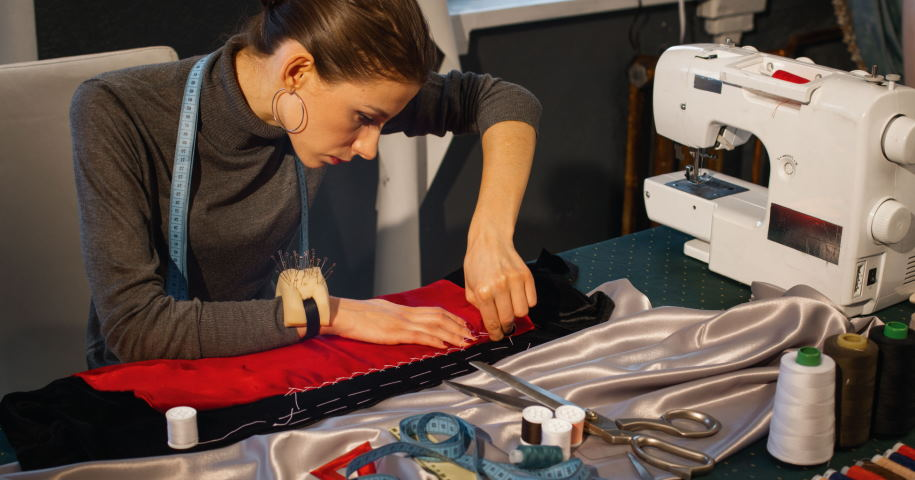
Clothes off the rack are made for a hypothetical “average” body that doesn’t actually exist. If pants fit your waist but drag on the floor, or a jacket sags off your shoulders, there’s nothing wrong with your body—that’s just how factory clothing works in formal wear.
Spending $10 or $15 at a local dry cleaner to hem your pants so they don’t bunch up around your ankles, or shortening jacket sleeves so your hands aren’t swallowed up, instantly turns cheap clothes into something that looks custom-made.
Stick mostly to neutrals
Loud prints and bright colors are fine once in a while, but everyone remembers them. If you wear a bright neon shirt on Tuesday, your whole team notices when you wear it again on Friday. If you build most of your work wardrobe around navy, charcoal, black, beige, cream, and deep olive, everything mixes and matches effortlessly. You can repeat pants and jackets all week in different combinations, and nobody will ever notice formal wear.
Ditch cheap synthetics
Check the tags before you buy. 100% polyester traps heat, holds onto sweat, and gets incredibly uncomfortable by mid-afternoon under harsh office lights. Look for cotton, linen blends, lightweight wool, and silk. Natural fabrics breathe, drape better, and don’t make you feel stuffy during long meetings.
3. The Easy Closet Checklist
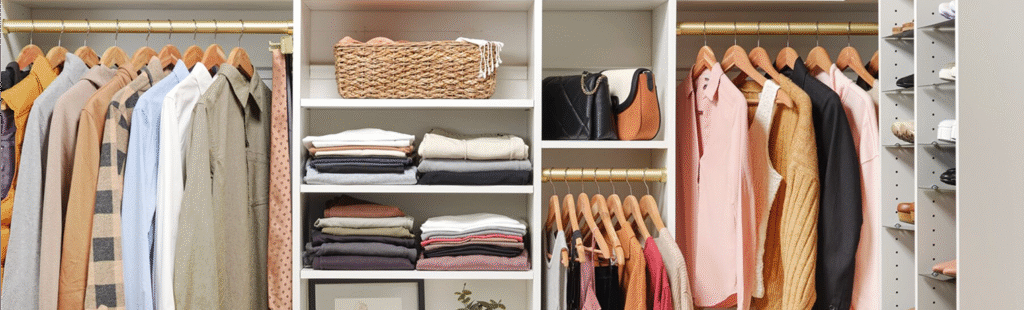
If you want to stop overthinking your mornings entirely, this is really all you need in your closet:
- 2 Jackets: One dark blazer and one lighter cardigan or casual jacket.
- 4 or 5 Tops: A couple of white button-downs, a couple of light blue or neutral tops, and one simple knit sweater.
- 3 Bottoms: Two pairs of dark tailored slacks or chinos, and one versatile skirt or dark dress.
- Traditional Options: Two plain kurta sets with a simple shawl, or two crisp cotton or silk sarees paired with a short blazer.
- 2 Pairs of Shoes: One pair of dark leather dress shoes or clean loafers, and one pair of comfortable flats or low block heels.
4. The Quick Reality Check Before You Walk Out
Before you head out the door, stand in front of a mirror and ask yourself these four practical questions:
- Can I actually sit in this? Sit down right there. Do your pants dig into your stomach? Does your shirt pull open at the chest? If an outfit makes you pinch or hold your breath, change immediately. Physical discomfort will ruin your mood and ruin your day.
- Is it wrinkled? Taking two minutes to steam a shirt or wipe scuff marks off your shoes makes an inexpensive outfit look ten times cleaner.
- Do my leathers match? Keep it simple—black shoes get a black belt, brown shoes get brown. It takes two seconds and instantly pulls everything together.
- Am I fidgeting? If you’re pulling at a hemline or adjusting a waistband before you’ve even left the house, switch to a reliable backup. Real confidence comes from completely forgetting what you’re wearing so you can just focus on your day.
5. Keep Accessories Simple and Out of the Way
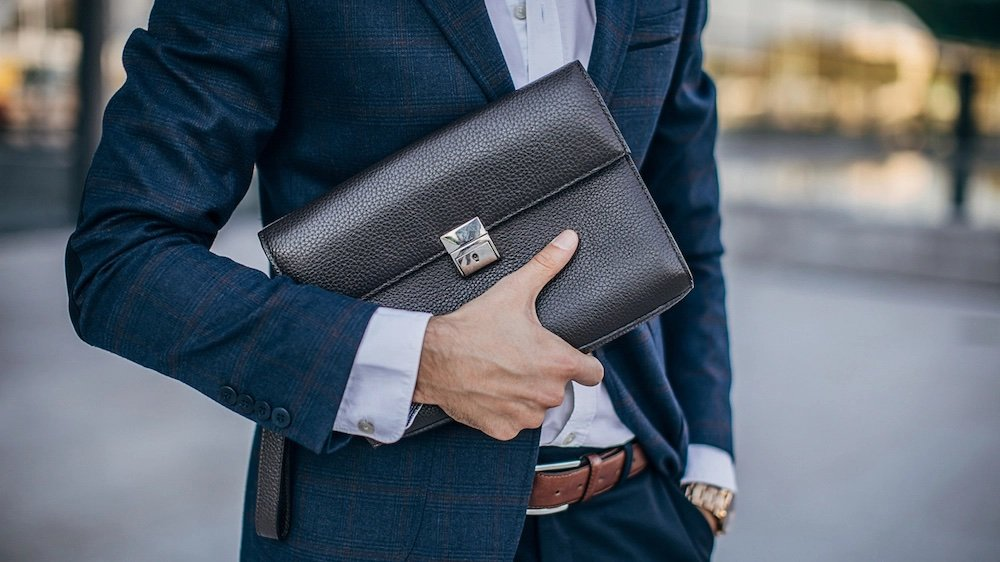
Your accessories shouldn’t get in the way while you’re trying to work.
Use a clean, structured bag that actually fits your laptop and charger instead of dragging around an overstuffed gym backpack. Leave noisy, clanking bangles at home so you aren’t annoying yourself and everyone around you every time you type on your keyboard. And always keep an extra cardigan or blazer hanging on the back of your office chair—because office air conditioning is notoriously freezing, no matter what time of year it is.
At the end of the day, dressing well for work isn’t about impressing fashion snobs. It’s just about building a comfortable, no-nonsense uniform that makes your mornings easy and lets your work do the talking.
Frequently Asked Questions
Q: How do I stop wasting time picking out work clothes every morning?
Plan a quick rotation using black, navy, or beige—when everything goes together naturally, you can literally dress in the dark.
Q: Is getting clothes tailored actually worth the extra money?
Totally—a quick $10 hem on cheap pants instantly makes them look custom-made and way more expensive than they are.
Q: How do I know if an outfit will drive me crazy during the workday?
Do a quick sit-test in the mirror before heading out; if your waistband digs in or your shirt pulls open, change right away.
Q: How can I fit into my office vibe without asking HR?
Just check out what the folks who seem relaxed and well-liked are wearing on a random afternoon, and follow their lead.
Q: How many pairs of shoes and jackets do I really need for work?
Honestly, just two solid jackets and two comfy pairs of shoes will easily get you through the entire week without any hassle.