
Introduction: Why HIV Awareness Still Matters in 2026
HIV awareness continues to be an important global health conversation in 2026. Over the past few decades, major progress has been made in understanding HIV, improving treatments, and reducing new infections. What was once considered a life-threatening diagnosis with limited options has become a manageable health condition for many people through early testing, effective medicines, and ongoing medical care.
However, awareness remains essential because misinformation, stigma, and lack of access to healthcare can still prevent people from getting tested or receiving the support they need. HIV is not just a medical issue; it is also a matter of education, equality, and public understanding. As science continues to advance, the focus in 2026 is not only on treating HIV but also on preventing new infections, improving quality of life, and ensuring that everyone has access to reliable information and care.
Understanding HIV: The Basics Everyone Should Know
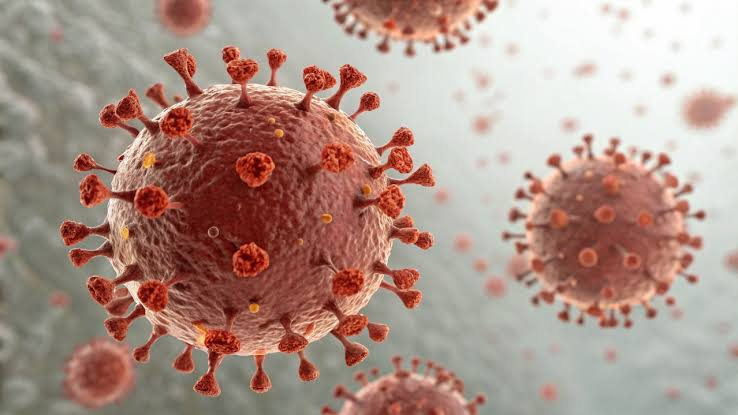
Human Immunodeficiency Virus (HIV) is a virus that affects the body’s immune system, particularly the CD4 cells that help the body fight infections.
Without treatment, HIV can weaken the immune system over time and may lead to AIDS (Acquired Immunodeficiency Syndrome), the most advanced stage of HIV infection.
Modern healthcare has transformed the way HIV is managed. Today, people living with HIV who receive proper treatment can often achieve an undetectable viral load. This means the amount of HIV in their blood becomes so low that standard tests cannot detect it. People who maintain an undetectable viral load through treatment cannot sexually transmit HIV, a concept known as Undetectable = Untransmittable (U=U).
This scientific progress has changed the conversation around HIV from fear and uncertainty to prevention, treatment, and long-term health management.
New Advances in HIV Prevention in 2026
Prevention remains one of the strongest tools in reducing the spread of HIV. In 2026, prevention strategies continue to improve with new technologies, better access to healthcare services, and increased public awareness.
One of the most significant developments is the continued improvement of HIV prevention medicines. Pre-exposure prophylaxis (PrEP) has helped many people reduce their risk of acquiring HIV. Newer prevention options are becoming more convenient, helping people choose methods that fit their lifestyles and healthcare needs.
Long-acting prevention methods are gaining attention because they can reduce the need for frequent daily medication. These options may help improve consistency and make HIV prevention easier for people who face challenges with daily routines.
Another important area of progress is increased availability of HIV testing. Rapid testing methods allow people to learn their HIV status more quickly, helping them start treatment earlier if needed. Early diagnosis plays a major role in protecting personal health and preventing further transmission.
The Role of Early Testing and Regular Health Checks
HIV testing remains one of the most important steps in HIV awareness. Many people living with HIV may not experience noticeable symptoms during the early stages,

which means someone can have the virus without knowing it. Regular testing helps people make informed decisions about their health. When HIV is detected early, treatment can begin sooner, allowing the immune system to remain stronger and reducing the risk of health complications.
In 2026, healthcare systems are placing more focus on making testing easier, more private, and more accessible. Community-based testing, home testing options, and digital healthcare services are helping more people overcome barriers related to time, location, and privacy.
Testing should be viewed as a normal part of healthcare, similar to other routine health checks. Increasing awareness and reducing fear around testing can encourage more people to take control of their health.
Advances in HIV Treatment and Care
HIV treatment has made remarkable progress, especially with the development of antiretroviral therapy (ART). These medicines work by reducing the amount of HIV in the body and helping the immune system function properly.
In 2026, HIV care continues to focus on making treatments more effective, easier to manage, and better suited to individual needs. Many people can control HIV with fewer pills and more convenient treatment schedules compared with earlier years.
Healthcare providers now take a more personalized approach to HIV care. Treatment plans may consider a person’s overall health, lifestyle, possible side effects, and other medical conditions. This approach helps people not only manage HIV but also maintain their overall well-being.
Beyond medication, HIV care includes mental health support, regular medical monitoring, nutrition guidance, and access to community resources. Living well with HIV involves caring for both physical and emotional health.
Reducing HIV Stigma Through Education
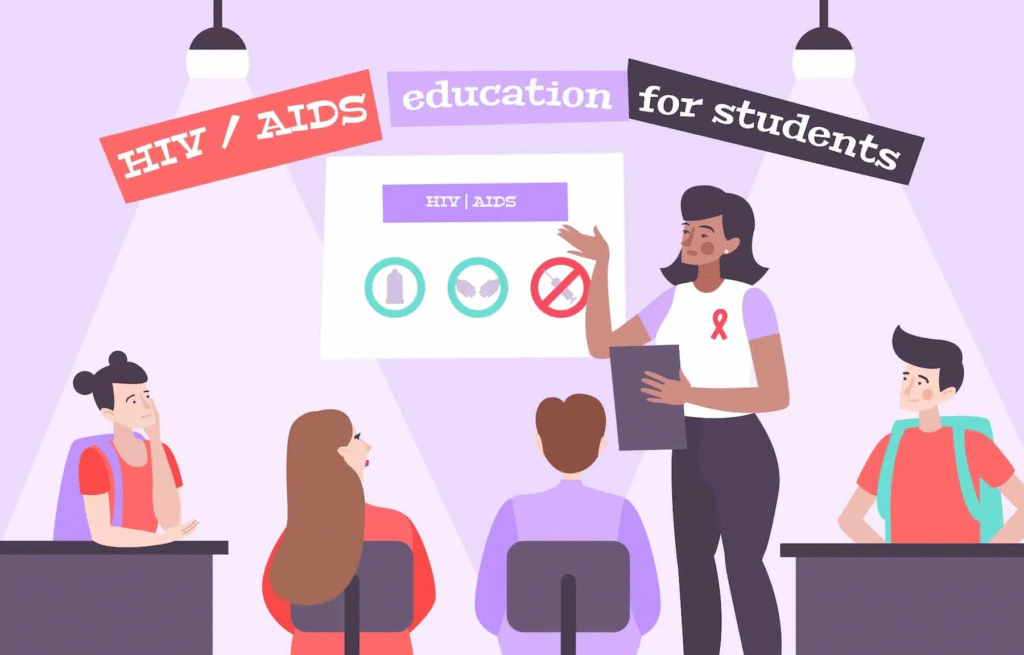
Although medical progress has improved HIV care, stigma remains one of the biggest challenges. Negative beliefs and misunderstandings about HIV can discourage people from getting tested, seeking treatment, or discussing their health openly.
Education is one of the most powerful ways to reduce stigma. Understanding how HIV is transmitted helps people separate facts from myths. HIV is not spread through everyday activities such as shaking hands, sharing food, hugging, or sitting near someone who has HIV.
Creating supportive communities where people feel respected and accepted is essential. When individuals feel safe discussing HIV, they are more likely to seek healthcare services and follow treatment plans.
In 2026, HIV awareness campaigns continue to focus on compassion, accurate information, and human stories. These efforts remind society that people living with HIV are individuals with goals, families, careers, and hopes for the future.
The Importance of Global HIV Awareness Campaigns
Global awareness efforts continue to play a major role in preventing HIV and improving access to care. Organizations, healthcare professionals, governments, and communities work together to provide education, testing services, and treatment support.
Awareness campaigns help highlight important messages, including the importance of testing, prevention options, treatment access, and fighting discrimination. They also encourage conversations that can save lives.
While some regions have made significant progress, challenges remain in areas where healthcare resources are limited. Improving access to affordable medicines, healthcare professionals, and education remains a global priority.
New Technologies Supporting HIV Care
Technology is becoming an increasingly important part of healthcare, including HIV prevention and treatment. Digital health tools are helping patients stay connected with healthcare providers, manage appointments, and access reliable health information.
Telemedicine services allow some people to receive medical guidance without needing frequent in-person visits. This can be especially helpful for individuals who live far from healthcare facilities or prefer more flexible healthcare options.
Artificial intelligence and data-based healthcare research are also supporting scientists and medical professionals in understanding HIV trends, improving care strategies, and developing future solutions.
Technology does not replace human healthcare but works alongside doctors, researchers, and communities to make care more accessible and effective.
The Future of HIV Research and Prevention
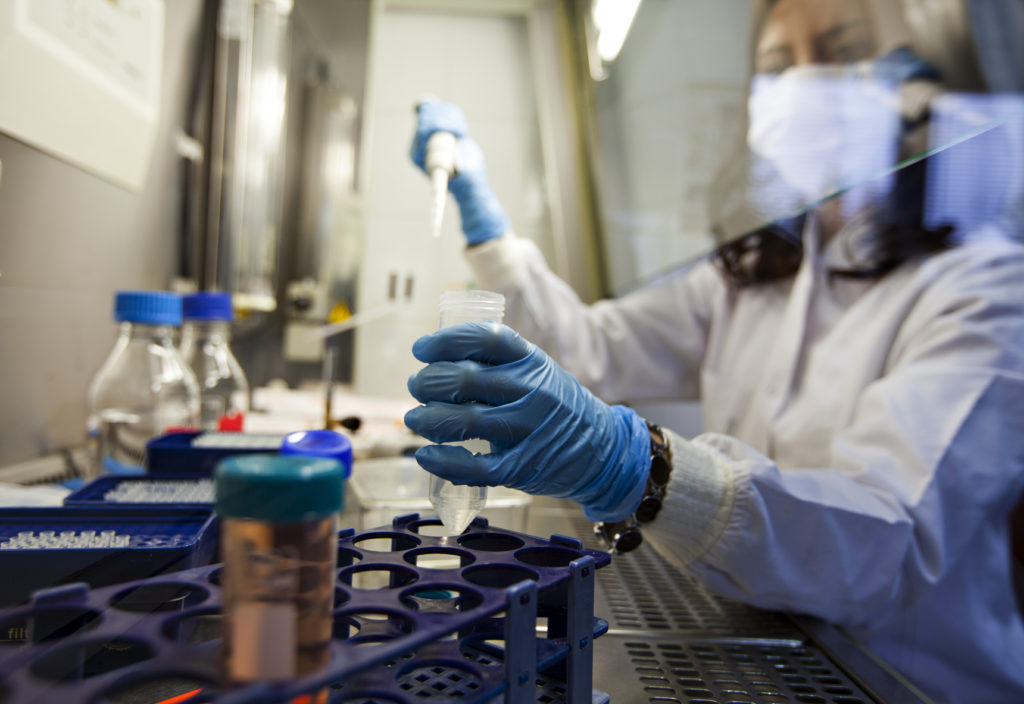
Researchers around the world continue working toward better prevention methods, improved treatments, and potentially new approaches to controlling or eliminating HIV.
Scientific research is exploring areas such as vaccines, immune-based treatments, and advanced therapies. While challenges remain, continued research provides hope for future breakthroughs.
The future of HIV awareness will depend on combining medical innovation with education and social support. Prevention tools are most effective when people know they exist and can access them without fear or discrimination.
How Individuals Can Support HIV Awareness
Everyone can contribute to HIV awareness by learning accurate information, sharing reliable resources, and supporting respectful conversations about health.
Simple actions can make a difference, such as encouraging regular testing, supporting people living with HIV, and challenging harmful myths when they appear. Communities become stronger when health discussions are based on facts and compassion.
HIV awareness is not only about preventing infection; it is also about creating a society where people can access care, receive support, and live healthy lives without discrimination.
FAQs
1. What is HIV and how does it affect the body?
HIV is a virus that weakens the immune system by affecting cells that help fight infections.
2. Can HIV be prevented?
Yes, HIV can be prevented through safe practices, regular testing, prevention medicines, and awareness.
3. Is HIV curable in 2026?
There is currently no widely available cure, but modern treatments can help people live long, healthy lives.
4. How is HIV detected?
HIV is detected through blood tests, rapid tests, or approved home testing methods.
5. Can a person with HIV live a normal life?
Yes, with proper treatment and medical care, people living with HIV can maintain a healthy quality of life.