
India has reported new cases of the Nipah virus, once again drawing attention to a disease known for its serious health risks and high fatality rate. While outbreaks are usually localized and quickly addressed by health authorities, Nipah remains a public health concern that requires awareness, early detection, and responsible reporting.
This article explains what the Nipah virus is, how it spreads, the symptoms to watch for, and what people in India should know to stay informed and cautious.
What Is the Nipah Virus?
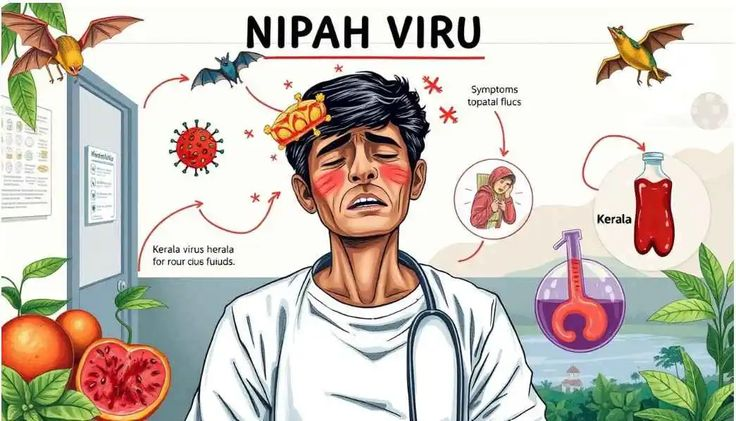
Nipah virus is a zoonotic disease, meaning it can spread from animals to humans. It was first identified in 1999 and has since caused sporadic outbreaks in parts of South and Southeast Asia. In India, cases have primarily been reported in southern regions, with health authorities responding swiftly each time.
The virus can cause severe illness, including brain inflammation (encephalitis) and respiratory complications. Because there is no specific cure, prevention and early medical care are critical.
How Nipah Virus Spreads
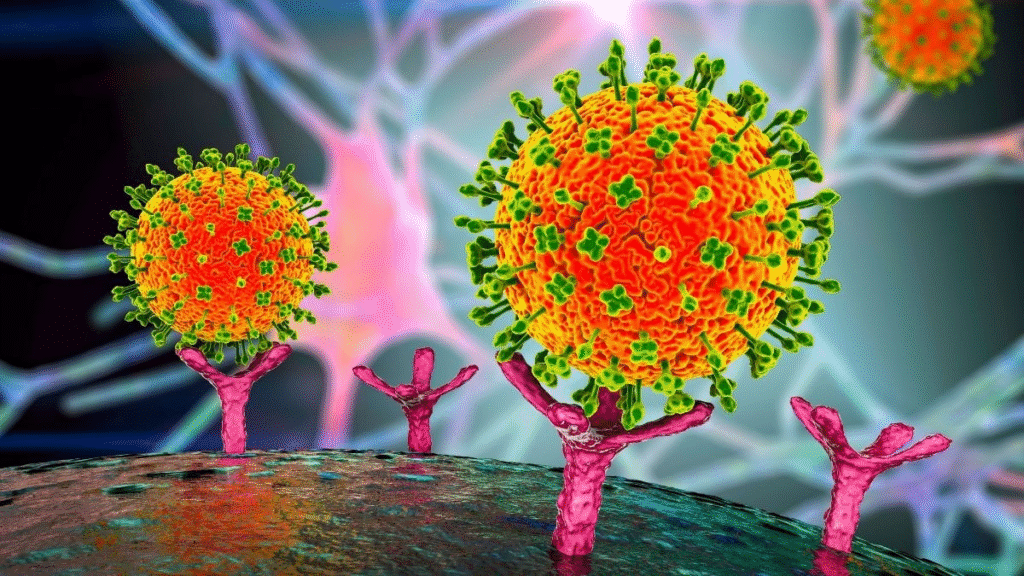
Nipah virus transmission can occur in several ways:
- Direct contact with infected animals, particularly fruit bats
- Consumption of contaminated food or raw products
- Close contact with an infected person’s bodily fluids
- Exposure in healthcare settings without proper infection control
Human-to-human transmission has been documented, which is why contact tracing and isolation measures are essential during outbreaks.
Symptoms to Watch For
Symptoms of Nipah virus infection can appear within a few days to two weeks after exposure. Early signs may resemble common viral illnesses, which makes timely diagnosis challenging.
Common symptoms include:
- Fever and headache
- Muscle pain and fatigue
- Vomiting or sore throat
- Dizziness or confusion
In severe cases, the infection can progress to breathing difficulties, seizures, or loss of consciousness. Anyone experiencing symptoms after potential exposure should seek medical care immediately.
Current Response in India
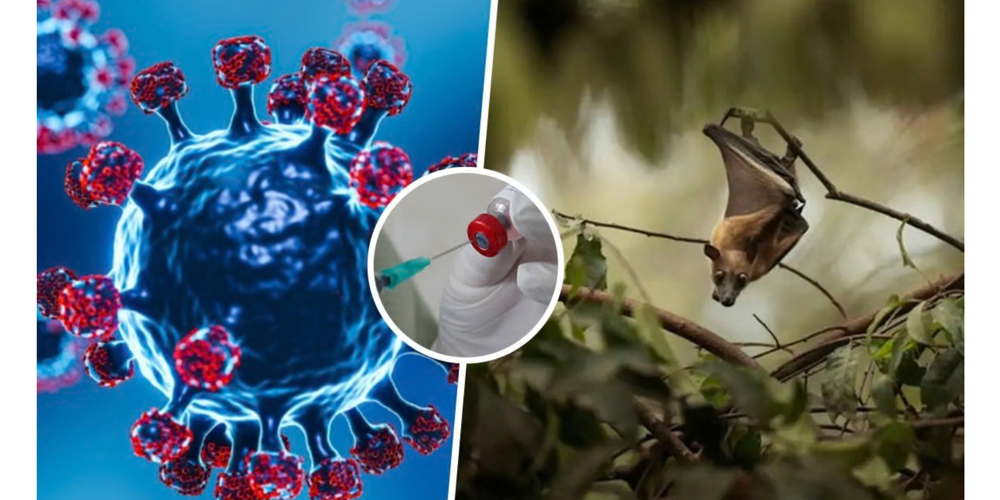
Indian health authorities typically act quickly when Nipah cases are detected. Measures often include isolating patients, monitoring close contacts, strengthening hospital infection protocols, and issuing public advisories.
Public health teams also work closely with local administrations to prevent panic while ensuring communities receive accurate information. These steps are crucial in containing outbreaks and preventing wider spread.
What the Public Can Do
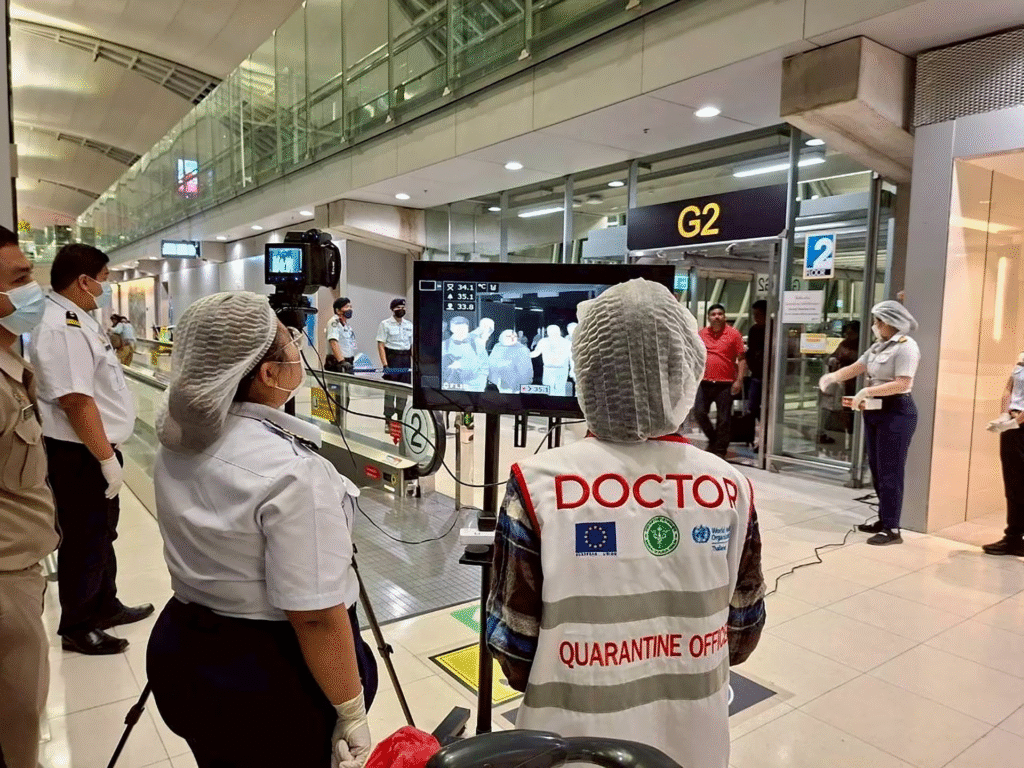
While Nipah virus outbreaks are rare, public awareness plays a key role in prevention.
People are advised to:
- Avoid consuming partially eaten or fallen fruits
- Practice good hand hygiene
- Avoid close contact with individuals showing symptoms
- Follow official health advisories
- Seek medical attention promptly if symptoms appear
Staying informed through reliable sources helps prevent misinformation and unnecessary fear.
Why Awareness Matters
Nipah virus outbreaks often remain limited when handled early, but delayed reporting or misinformation can increase risks. Responsible awareness helps communities cooperate with health measures and reduces stigma toward affected individuals and healthcare workers.
Understanding the facts allows people to stay alert without panic.

Jackets for Men: How to Style Casual Jackets for Everyday Wear
A casual jacket is one of those pieces you do not really appreciate until you…

15 Outdoor Decor Ideas for a Beautiful and Cozy Backyard
A backyard does not have to look like something from a home magazine to feel…

15 Easy Ways to Tame Frizzy Hair and Make It Smoother
There is a very specific kind of frustration that comes with frizzy hair. You wash…
Final Thought
The reporting of Nipah virus cases in India is a reminder of the importance of public health vigilance, transparent communication, and community cooperation. While the virus is serious, timely action by authorities and informed behavior by the public can effectively limit its impact. Staying calm, aware, and responsible is the best response.
This article is intended for general informational purposes only and should not be considered medical advice. Nipah virus situations can evolve rapidly. Readers are advised to follow updates and guidelines issued by official health authorities and consult qualified medical professionals for diagnosis or treatment.
#NipahVirus #IndiaHealthAlert #PublicHealth #VirusOutbreak #HealthAwareness #InfectiousDiseases #StayInformed #Anslation #Carrerbook