
The job market is evolving faster than ever before. New technologies, changing workplace expectations, and the rise of artificial intelligence are reshaping the way companies hire and the skills they value. A college degree is still important in many fields, but employers today are placing greater emphasis on practical skills, adaptability, and continuous learning. For long-term career growth , professionals need to continuously upgrade their knowledge, develop in-demand skills, and stay ahead of industry trends. The professionals who succeed in 2026 will be those who are willing to embrace change and invest in their personal and professional development.
The good news is that learning new skills has never been easier. With online courses, certification programs, and free educational resources, anyone can develop valuable abilities from the comfort of home. Whether you’re a student preparing for your first job, a working professional looking for a promotion, or someone planning a career change, investing in the right skills can open new opportunities and increase your earning potential.
This guide explores the top skills to learn in 2026 for career growth and explains why they are becoming increasingly valuable across industries.
Why Learning New Skills Matters More Than Ever

Technology is changing the workplace at an incredible pace. Tasks that once required hours of manual work can now be completed in minutes with automation and AI-powered tools. While this creates new opportunities, it also means that many traditional job roles are evolving.
Companies are no longer looking only for employees who can follow instructions. They want people who can solve problems, think creatively, communicate effectively, and adapt to new technologies. Professionals who continue learning are more likely to stay relevant, secure better-paying jobs, and remain competitive in a changing economy.
Developing in-demand skills isn’t just about finding a job—it’s about building a career that can grow with future changes.
1. Artificial Intelligence (AI) Literacy

Artificial intelligence is no longer limited to software developers or data scientists. Businesses across healthcare, education, finance, marketing, retail, and manufacturing are integrating AI into their daily operations.
Understanding how AI works, how to use AI-powered tools, and how to work alongside intelligent systems has become an essential workplace skill. You don’t need to become an AI engineer to benefit from AI literacy. Learning how to use tools for writing, research, automation, design, coding assistance, and data analysis can significantly improve productivity.
Professionals who know how to combine human creativity with AI tools are becoming valuable assets because they can complete tasks faster while maintaining quality and accuracy.
2. Data Analysis and Data Literacy
Businesses generate enormous amounts of information every day. However, collecting data is only the beginning. Organizations need professionals who can understand that information and turn it into meaningful business decisions.
Data literacy involves reading reports, interpreting trends, identifying patterns, and making informed decisions based on numbers rather than assumptions.
Learning tools such as Microsoft Excel, Google Sheets, SQL, Power BI, or Tableau can greatly improve your career prospects. Even basic data analysis skills are useful in marketing, finance, healthcare, education, sales, human resources, and operations.
As companies become more data-driven, employees who can understand and explain data will continue to be in high demand.
3. Digital Marketing
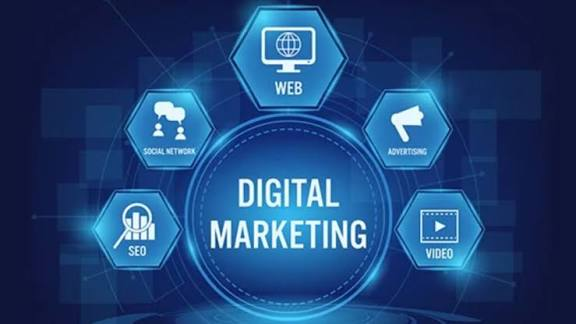
Almost every business now has an online presence. Whether selling products, offering services, or building a personal brand, digital marketing plays a central role in reaching customers.
Digital marketing is much broader than social media. It includes search engine optimization (SEO), content marketing, email marketing, paid advertising, analytics, influencer marketing, and conversion optimization.
Professionals who understand how customers discover products online can help businesses increase visibility and generate revenue.
Even entrepreneurs and freelancers benefit from digital marketing because it allows them to promote their own work without relying entirely on traditional advertising. By developing digital marketing skills, they can improve their online visibility, attract more customers, build a strong personal brand, and create better opportunities for career growth.
4. Cybersecurity Awareness
As businesses rely more heavily on digital systems, protecting sensitive information has become a major priority. Cyberattacks are increasing worldwide, making cybersecurity one of the fastest-growing career fields.
Not everyone needs to become a cybersecurity specialist, but every professional should understand basic security practices. Knowing how to create strong passwords, recognize phishing attempts, protect company data, and safely use cloud platforms reduces organizational risks.
Those who choose to specialize in cybersecurity can pursue rewarding careers in network security, ethical hacking, cloud security, risk management, and digital forensics.
The demand for cybersecurity professionals is expected to remain strong for years to come.
5. Cloud Computing

Many companies have moved their systems, applications, and data to cloud platforms. Instead of storing information on local servers, businesses now rely on cloud services for flexibility, security, and scalability.
Understanding cloud technologies has become valuable for software developers, IT professionals, business analysts, project managers, and even non-technical employees.
Popular cloud platforms include Amazon Web Services (AWS), Microsoft Azure, and Google Cloud.
Learning cloud fundamentals helps professionals understand how modern businesses manage digital infrastructure and collaborate more efficiently.
6. Communication Skills
No matter how advanced technology becomes, strong communication remains one of the most valuable workplace skills.
Employers consistently look for professionals who can express ideas clearly, write professional emails, deliver presentations, participate in meetings, and communicate effectively with clients and colleagues.
Good communication reduces misunderstandings, improves teamwork, and helps leaders motivate their teams.
Practicing active listening, public speaking, business writing, and confident verbal communication can significantly improve career opportunities.
In today’s global workplace, being able to communicate across cultures is becoming increasingly important as organizations hire talent from different countries and backgrounds. Strong cross-cultural communication skills help professionals build better relationships, collaborate effectively with diverse teams, and create more opportunities for career growth in an interconnected world.
7. Critical Thinking and Problem-Solving

Technology can automate repetitive tasks, but complex decision-making still requires human judgment. Critical thinking involves analyzing situations objectively, evaluating available information, and finding practical solutions to challenges.
Companies appreciate employees who don’t simply identify problems but also recommend effective solutions.
Problem-solving skills become especially valuable in management, engineering, healthcare, education, consulting, and entrepreneurship.
Developing these abilities requires curiosity, logical reasoning, continuous learning, and the willingness to question assumptions before making decisions.
8. Project Management
Every business runs projects, whether it’s launching a new product, implementing software, organizing an event, or expanding into new markets.
Project management skills help professionals plan tasks, allocate resources, manage budgets, meet deadlines, and coordinate teams.
Even employees who are not official project managers benefit from understanding project planning and organization.
Learning project management frameworks such as Agile or Scrum can improve efficiency and prepare professionals for leadership responsibilities.
Employers value individuals who can keep projects organized while ensuring that goals are completed on time and within budget.
9. Emotional Intelligence
Technical expertise may help you secure a job, but emotional intelligence often determines long-term career success.
Emotional intelligence involves understanding your own emotions, recognizing the feelings of others, managing conflicts professionally, and building positive workplace relationships.
Employees with strong emotional intelligence work well under pressure, communicate respectfully, adapt to change, and contribute to healthier work environments.
As workplaces become more collaborative and diverse, emotional intelligence is becoming an essential leadership skill.
Managers with high emotional intelligence are often better at motivating teams, resolving disagreements, and creating supportive workplace cultures.
10. Programming and Software Development Skills

Programming continues to be one of the most valuable technical skills in the modern job market. While software development was once considered a specialized career path, basic coding knowledge is now useful in many industries.
Learning programming languages such as Python, JavaScript, Java, or SQL can help professionals automate tasks, analyze information, build applications, and understand how digital products work.
Python, in particular, has become popular because it is beginner-friendly and widely used in artificial intelligence, data analysis, automation, and machine learning. Even if you do not plan to become a full-time developer, understanding basic coding concepts can improve your problem-solving ability and make you more comfortable working with technology.
In 2026, professionals who can combine their industry knowledge with programming skills will have a strong advantage in many career fields.
11. Creativity and Design Thinking
Creativity is often considered a skill only needed by artists or designers, but that idea is changing. In today’s competitive workplace, creative thinking helps professionals develop better solutions, improve products, and discover new opportunities.
Design thinking is a problem-solving approach that focuses on understanding people’s needs, creating ideas, testing solutions, and improving results. Many successful companies use this approach to develop products and services that customers actually value.
Creativity is especially important in fields like marketing, business strategy, technology, entrepreneurship, and product development.
You can improve creativity by staying curious, exploring different perspectives, learning new things, and challenging traditional ways of thinking. Developing creative skills can help professionals find innovative solutions, adapt to workplace changes, and create new opportunities for career growth in a competitive job market.
12. Adaptability and Learning Ability
One of the most important skills for career growth in 2026 is the ability to adapt.
The workplace is changing constantly, and professionals who depend only on their existing knowledge may struggle to keep up. Adaptable employees are willing to learn new tools, accept changes, and develop new approaches when situations evolve.
Being adaptable does not mean knowing everything. It means having the confidence and willingness to learn.
Employers value people who can handle uncertainty, adjust to new responsibilities, and continue improving themselves.
A growth mindset—the belief that skills can be developed through effort and learning—is becoming one of the most powerful career advantages.
13. Leadership Skills

Leadership is not only for managers or business owners. Employees at every level can benefit from developing leadership abilities. Strong leaders know how to communicate goals, support teammates, make decisions, and take responsibility.
They inspire confidence and help organizations achieve better results.
Leadership skills include teamwork, decision-making, conflict resolution, delegation, and strategic thinking. Developing these abilities helps professionals take initiative, manage responsibilities effectively, inspire others, and create stronger opportunities for career growth in their chosen fields.
Even if you are early in your career, developing leadership qualities can help you stand out and prepare you for future opportunities.
Companies need professionals who can take initiative rather than simply wait for instructions.
14. Personal Branding and Networking
In a competitive job market, your skills are important, but how people recognize those skills also matters.
Personal branding involves building a professional identity and showing your expertise through platforms such as LinkedIn, personal websites, portfolios, or professional communities.
A strong personal brand can help recruiters, clients, and employers understand your abilities and experience.
Networking is equally valuable. Building genuine professional relationships can lead to job opportunities, collaborations, mentorship, and career advice.
Networking is not only about asking for opportunities; it is about creating meaningful connections and sharing knowledge with others.
How to Choose the Right Skills for Your Career

With so many skills available to learn, it can feel overwhelming to decide where to begin. The best approach is to choose skills that match your career goals, interests, and industry requirements.
Start by asking yourself a few questions:
What type of career do I want in the future?
Which skills are currently in demand in my industry?
What areas do I enjoy learning about?
Which skills can improve my current job performance?
For example, someone interested in marketing may focus on SEO, content creation, analytics, and AI tools. Someone interested in technology may choose programming, cloud computing, cybersecurity, or data science.
The goal is not to learn everything at once. Focus on developing a few valuable skills and gradually expand your knowledge.
Practical Ways to Learn New Skills in 2026
Learning a new skill does not always require expensive courses or formal education. Many successful professionals build their knowledge through consistent practice and accessible resources.
Online learning platforms, professional communities, tutorials, podcasts, books, and industry blogs provide countless opportunities to improve your abilities.
A practical learning approach includes:
- Setting clear learning goals
- Practicing regularly instead of only watching tutorials
- Working on real projects
- Creating a portfolio of your work
- Joining communities related to your field
- Learning from experienced professionals
For example, if you want to improve digital marketing skills, create a small website and practice SEO techniques. If you want to learn programming, build simple projects instead of only memorizing coding concepts. Applying these skills through real-world practice helps you gain confidence, improve your problem-solving abilities, and create valuable experience that can support your long-term career growth.
Practical experience often makes skills more valuable to employers.
Common Mistakes People Make While Learning New Skills

Many people start learning new skills but quit before seeing results. One common mistake is trying to learn too many things at the same time.
Focusing on multiple skills without a clear plan can lead to confusion and slow progress.
Instead, choose one skill, build a strong foundation, and then move to the next.
Another mistake is focusing only on theory. Watching videos and reading articles is helpful, but real improvement comes from applying what you learn.
Some people also wait until they feel completely ready before using their skills professionally. However, experience comes through practice, mistakes, and improvement.
Remember that becoming skilled is a process, not an overnight achievement. Staying consistent, tracking your progress, and continuously improving your abilities can help you achieve long-term career growth and become more confident in your professional journey.
Future Career Trends to Watch in 2026
The future of work will continue to be influenced by technology, automation, and changing business needs. Professionals who combine technical knowledge with human skills will have the strongest opportunities for career growth in the evolving job market.
Some important career trends include:
- Increased use of artificial intelligence across industries
- Growth in remote and hybrid work opportunities
- Higher demand for cybersecurity professionals
- Expansion of data-driven decision-making
- Greater importance of creativity and emotional intelligence
- Increased focus on continuous learning
The careers of the future will not only belong to people with technical expertise but also to those who can communicate effectively, collaborate with others, innovate, adapt to changes, and continuously develop new skills. By staying updated with industry trends and improving their abilities, professionals can create better opportunities for long-term career growth.
FAQs
1. Which skills are most important to learn in 2026?
The most valuable skills in 2026 include AI literacy, data analysis, digital marketing, cybersecurity, communication, and problem-solving. These skills can help professionals stay competitive in a rapidly changing job market.
2. Is coding still a useful skill for career growth?
Yes, coding remains a highly valuable skill across many industries. Even basic programming knowledge can help with automation, data handling, problem-solving, and understanding modern technology.
3. How can I start learning new career skills?
You can begin by choosing a skill related to your career goals and using online courses, tutorials, books, and practical projects. Consistent practice is the key to building confidence and expertise.
4. Are soft skills still important in the age of AI?
Yes, soft skills like communication, creativity, leadership, and emotional intelligence are more important than ever. They help professionals collaborate, solve problems, and adapt to workplace changes.
5. How long does it take to learn a new skill for career growth?
The time required depends on the complexity of the skill and your learning consistency. With regular practice, you can build basic knowledge within a few months and continue improving through experience.