
Everyone dreams of having naturally clear, glowing, and healthy skin. While social media is filled with beauty filters and expensive skincare routines, the truth is that achieving healthy skin doesn’t require dozens of products or complicated treatments. Your skin reflects your daily habits, lifestyle, and the way you care for it consistently over time.
Healthy skin is not about looking perfect. It is about maintaining a strong skin barrier, keeping your skin hydrated, protecting it from damage, and providing it with the nutrients it needs. Whether you have oily, dry, combination, or sensitive skin, following a few proven skincare practices can make a noticeable difference.
If you’ve been searching for practical beauty tips that actually work, you’re in the right place. Below are ten proven beauty and skincare tips that can help you achieve clear, healthy, and naturally radiant skin.
1. Cleanse Your Face the Right Way
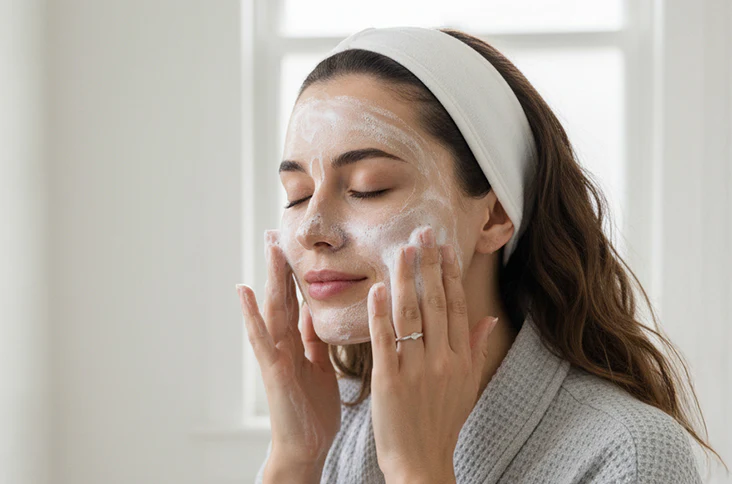
One of the most important steps in any skincare routine is cleansing. Throughout the day, your skin collects dirt, sweat, oil, makeup, pollution, and bacteria. If these impurities are not removed properly, they can clog pores and lead to acne, dullness, and irritation.
However, cleansing doesn’t mean washing your face repeatedly. Overwashing can strip away your skin’s natural oils, making it dry, irritated, or even oilier as your skin tries to compensate.
Choose a gentle cleanser that matches your skin type. If your skin is oily, look for ingredients like salicylic acid or niacinamide. If you have dry skin, opt for a hydrating cleanser containing glycerin or ceramides. People with sensitive skin should avoid products with harsh fragrances or alcohol.
Wash your face twice a day—once in the morning and once before bedtime. Always remove makeup before sleeping, as leaving it on overnight can clog pores and accelerate signs of aging.
Consistency is much more important than using expensive products.
2. Never Skip Moisturizer
Many people believe moisturizers are only necessary for dry skin, but that’s one of the biggest skincare myths. Every skin type needs hydration, including oily and acne-prone skin.
A good moisturizer helps lock in moisture, strengthens the skin barrier, reduces irritation, and keeps your skin looking smooth and healthy. Without enough hydration, your skin may become flaky, sensitive, or produce even more oil.
Choose lightweight gel-based moisturizers if you have oily skin. Rich cream moisturizers work better for dry skin, while fragrance-free formulas are ideal for sensitive skin.
Apply moisturizer immediately after cleansing while your skin is still slightly damp. This helps seal in moisture more effectively.
Healthy skin starts with proper hydration from both inside and outside.
3. Protect Your Skin with Sunscreen Every Day

f there is one skincare product dermatologists consistently recommend, it is sunscreen. Many people only apply sunscreen during vacations or on sunny days,
but ultraviolet (UV) rays can damage your skin throughout the year—even on cloudy days or while sitting near windows.
Daily sunscreen use protects your skin from premature aging, pigmentation, sunburn, uneven skin tone, and harmful UV damage. It also reduces the risk of skin cancer.
Choose a broad-spectrum sunscreen with SPF 30 or higher. Apply it every morning as the final step of your skincare routine, and reapply every two hours if you’re outdoors for extended periods.
Think of sunscreen as your skin’s daily shield. Even the best skincare products cannot fully repair damage caused by unprotected sun exposure.
4. Stay Hydrated Throughout the Day
Your body needs water for nearly every function, and your skin is no exception.
Although drinking more water alone won’t magically eliminate acne, staying hydrated helps maintain your skin’s elasticity, supports healthy circulation, and contributes to an overall fresh appearance.
When your body is dehydrated, your skin may appear dull, tight, or tired. Combined with a healthy skincare routine, proper hydration can improve your skin’s natural glow.
Aim to drink enough water throughout the day based on your activity level and climate. You can also increase hydration by eating water-rich fruits and vegetables like watermelon, cucumber, oranges, and strawberries.
Healthy skin begins from within.
5. Eat a Skin-Friendly Diet

The saying “you are what you eat” applies to your skin more than many people realize.
A balanced diet rich in vitamins, minerals, healthy fats, and antioxidants supports skin repair and reduces inflammation.
Include foods such as leafy green vegetables, berries, citrus fruits, nuts, seeds, eggs, yogurt, fish, and whole grains in your meals. Omega-3 fatty acids found in salmon, walnuts, and flaxseeds help maintain skin hydration and elasticity.
Vitamin C supports collagen production, while Vitamin E protects against oxidative stress. Zinc is another essential mineral that helps with skin healing and acne management.
Try limiting excessive sugary foods, processed snacks, and sugary drinks if you notice they trigger breakouts.
Healthy eating not only benefits your skin but also improves your overall health and energy levels.
6. Get Enough Quality Sleep
Beauty sleep is more than just a popular phrase—it has real scientific value.
While you sleep, your body repairs damaged cells, produces collagen, and restores your skin. Poor sleep can increase stress hormones, leading to inflammation, dullness, puffiness, dark circles, and acne breakouts.
Adults should aim for around seven to nine hours of quality sleep each night.
Creating a relaxing bedtime routine can improve sleep quality. Try reducing screen time before bed, keeping your bedroom cool, and maintaining a consistent sleep schedule.
Changing your pillowcase regularly is another small habit that can make a difference by reducing the buildup of oil, sweat, and bacteria.
Well-rested skin naturally appears brighter, healthier, and more youthful.
7. Avoid Touching Your Face Frequently
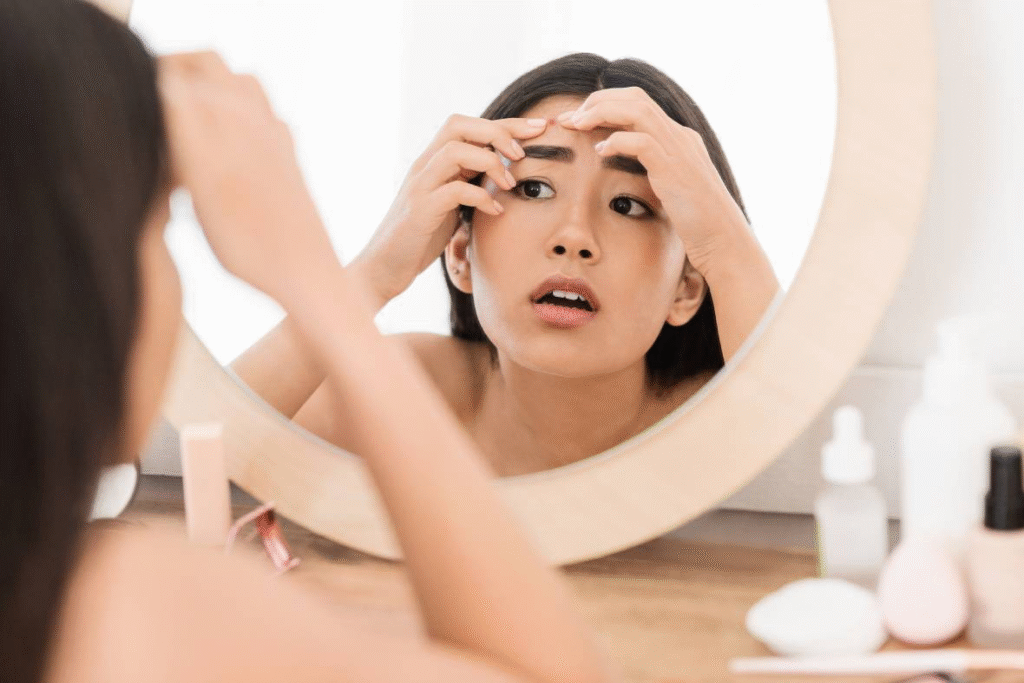
Many people touch their face without even realizing it.
Your hands come into contact with countless surfaces throughout the day, collecting bacteria, dirt, and oils.
Frequently touching your face transfers these impurities onto your skin, increasing the risk of clogged pores and acne.
Picking or squeezing pimples can also lead to inflammation, infections, and permanent acne scars.
Instead, keep your hands away from your face whenever possible. If you need to apply skincare products, wash your hands thoroughly first.
Small daily habits often have a bigger impact on your skin than expensive beauty treatments.
8. Exfoliate Gently, Not Excessively
Exfoliation removes dead skin cells, helping your skin look smoother, brighter, and more even.
However, over-exfoliating is one of the most common skincare mistakes. Excessive scrubbing can damage your skin barrier, causing redness, irritation, sensitivity, and breakouts.
Most people only need to exfoliate one or two times each week.
Chemical exfoliants containing AHAs or BHAs are generally gentler and more effective than harsh physical scrubs with large abrasive particles.
After exfoliating, always apply moisturizer and avoid excessive sun exposure. Since freshly exfoliated skin is more sensitive, sunscreen becomes even more important.
Gentle exfoliation supports healthy skin without causing unnecessary irritation.
9. Manage Stress for Better Skin

Stress affects much more than your mental well-being—it can also show up on your skin.
When you’re under constant stress, your body releases higher levels of cortisol, a hormone that can increase oil production and trigger acne breakouts.
Stress may also worsen conditions like eczema, psoriasis, and rosacea.
Finding healthy ways to manage stress benefits both your mind and your skin.
Regular exercise, meditation, deep breathing, reading, spending time outdoors, listening to music, or simply taking short breaks during busy days can help reduce stress levels.
Remember that healthy skin isn’t just created by products. Your emotional well-being plays a significant role too.
10. Build a Simple Routine and Stay Consistent
One of the biggest mistakes people make is constantly switching skincare products after only a few days.
Most skincare products require several weeks before showing noticeable improvements. Frequently changing products can confuse your skin and make it difficult to determine what actually works.
Instead of following every beauty trend, focus on building a simple routine consisting of:
- Gentle cleanser
- Moisturizer
- Sunscreen
- Targeted treatment if needed (such as Vitamin C, niacinamide, or retinol)
Introduce new products one at a time and give your skin enough time to adjust.
Consistency almost always delivers better results than complicated routines filled with unnecessary products.
Healthy skin is built through regular care, patience, and realistic expectations.
Common Skincare Mistakes to Avoid
Even with a good skincare routine, certain habits can prevent you from achieving clear skin.
Some common mistakes include sleeping with makeup on, skipping sunscreen, using products that don’t match your skin type, over-exfoliating, popping pimples, washing your face with very hot water, ignoring hydration, and expecting overnight results.
Avoiding these mistakes can significantly improve your skin over time.
Natural Ways to Support Healthy Skin


While skincare products are helpful, your everyday lifestyle matters just as much.
Regular physical activity improves blood circulation, delivering oxygen and nutrients to your skin cells. Eating colorful fruits and vegetables provides antioxidants that fight free radical damage. Limiting smoking and excessive alcohol consumption also supports healthier-looking skin.
Simple habits such as washing makeup brushes regularly, cleaning your phone screen, changing pillowcases weekly, and avoiding harsh DIY remedies can further protect your skin from irritation and bacteria.
Healthy skin is the result of many small choices made consistently.
FAQs
1. How long does it take to see results from a skincare routine?
Most people start noticing visible improvements within 4 to 8 weeks of following a consistent skincare routine. The exact timeline depends on your skin type, concerns, and the products you use.
2. Is it necessary to use sunscreen every day?
Yes, wearing sunscreen daily helps protect your skin from harmful UV rays, premature aging, sunburn, and dark spots. It is important even on cloudy days and while staying indoors near windows.
3. Can drinking more water give me clear skin?
Drinking enough water helps keep your skin hydrated and supports overall skin health. While it won’t cure acne on its own, proper hydration can improve your skin’s appearance and complement a good skincare routine.
4. How often should I exfoliate my skin?
For most skin types, exfoliating one to two times a week is enough to remove dead skin cells without damaging the skin barrier. Over-exfoliating can lead to irritation, redness, and increased sensitivity.
5. What is the most important step in a skincare routine?
The three essential steps are cleansing, moisturizing, and applying sunscreen every day. A simple and consistent routine is often more effective than using too many products at once.