
Look, let’s be completely real for a second: you don’t need a massive backyard, a green thumb passed down from your grandmother, or a light-drenched sun room that looks straight out of an interior design magazine to start gardening.
All you actually need is a small flat surface near a window, a basic pot with a hole in the bottom, and a plant resilient enough to forgive you while you learn the ropes. That is the true appeal of keeping plants inside. It gives you a way to bring a little slice of the natural world into your bedroom, kitchen, or office desk without converting your entire home into an overwhelming, high-maintenance jungle.
If you’re totally new to this, feeling completely clueless is normal. How much water is actually enough? What does “bright, indirect light” even mean in a real apartment? And why did that gorgeous leaf machine you bought last weekend suddenly look like it completely gave up on life three days after you brought it home?
Take a breath. Plant care gets infinitely easier the moment you stop treating it like a high-school science exam and start treating it like a casual routine.
What Indoor Gardening Really Means
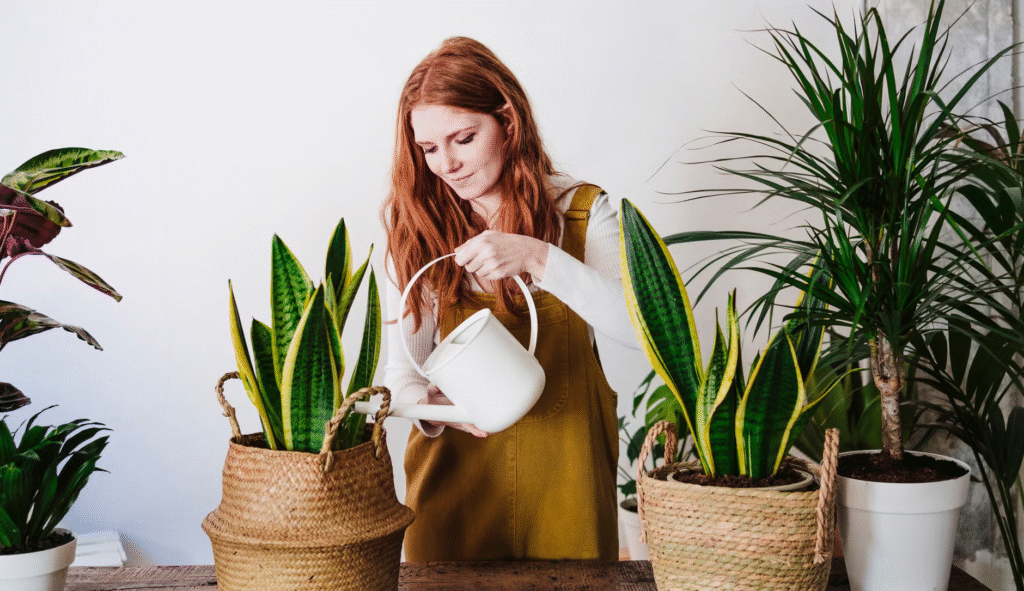
At its core, keeping houseplants isn’t about mastering botany—it’s just about sharing your living space with a few quiet, living things. It can be as elaborate as a curated plant wall or as simple as letting a single trailing vine spill over the edge of your favorite bookshelf.
Here is what actually happens when you bring a few greens into your space:
- Your rooms feel warmer: Plants soften hard furniture edges, bring organic shapes into square rooms, and make a place feel lived-in.
- It gives you a low-key win: Watching a tiny new leaf unfurl on a random Tuesday morning is surprisingly rewarding.
- It offers a genuine screen break: Taking two minutes to check soil moisture gives your eyes a quick break from endless scrolling and monitor glare.
You don’t need to turn your living room into an expensive nursery catalog overnight. Buy one or two sturdy plants, figure out how they react to your home’s unique light and air, and build up from there.
Why Starting Indoors Works So Well
The absolute best part about growing plants inside? Control.
Outdoor plants are entirely at the mercy of unpredictable nature—sudden heatwaves, surprise frosts, torrential downpours, and hungry garden pests. Indoors, you run the environment. If a plant looks like it’s starving for light, you can pick up the pot and shift it two feet closer to a window. If a cold winter draft hits a windowsill, you can slide the pot to a warmer shelf.
Plus, houseplants are remarkably communicative once you learn their basic body language. They’ll droop slightly when they’re thirsty, fade out when they need more sun, and shoot out fresh stems when they feel settled.
10 Beginner Plants That Are Extremely Hard to Kill
Some plants act like absolute divas the second their routine changes. Others are practically unshakable. When you’re just starting out, grab varieties that won’t hold a missed watering or a dark room against you.
| Plant | The Vibe | Light Needs | How to Water |
| 1. Pothos | Fast-growing, graceful trailing vines that look incredible spilling off high shelves. | Loves bright light, but handles low-light rooms surprisingly well. | Let the top couple inches of soil dry out completely before watering again. |
| 2. Snake Plant | Architectural, upright leaves that look modern and take up almost zero floor space. | Thrives almost anywhere, from dim interior corners to sunlit spots. | Ignore it! Let the soil go bone-dry between drinks. It hates soggy soil. |
| 3. ZZ Plant | Glossy, waxy leaves that stay shiny even when you completely forget it exists. | Ideal for dark rooms, hallways, or spaces with basic artificial overhead light. | Very low effort. It stores water underground, so water it only once a month. |
| 4. Spider Plant | Fun, arching green leaves that eventually pop out adorable mini “baby” plants. | Loves bright, indirect daylight near a window. | Keep the soil lightly damp, but never let the pot sit in standing water. |
| 5. Peace Lily | Deep green leaves with elegant white blooms; communicates its needs very clearly. | Prefers medium, filtered light away from harsh direct sunbeams. | Likes consistent moisture; will dramatically flop over when thirsty, then bounce right back. |
| 6. Aloe Vera | Practical, thick succulent packed with soothing gel; loves soaking up sun. | Needs a bright, sunny spot right on a warm windowsill. | Dries out completely between drinks; highly sensitive to overwatering. |
| 7. Jade Plant | Thick, tree-like stems with plump oval leaves; feels sturdy and timeless. | Needs plenty of bright, direct daylight to stay strong and compact. | Treat it like a cactus: water deeply, then let it dry out thoroughly. |
| 8. Rubber Plant | Bold statement piece with deep green, leathery leaves that grow into a small tree. | Prefers bright, filtered light to keep its foliage rich and vibrant. | Water when the top half of the pot feels completely dry to the touch. |
| 9. Philodendron | Charming heart-shaped leaves that can either vine downward or climb a moss pole. | Flexible; does great in medium to bright indirect room light. | Easygoing; wait until the top inch of soil feels dry before pouring water. |
| 10. Chinese Evergreen | Patterned, multicolored leaves that bring high visual interest with minimal fuss. | Tolerates dim, low-light spaces better than almost any other leafy plant. | Water moderately whenever the top couple inches of soil feel dry. |
Matching Plants to Your Real-Life Habits
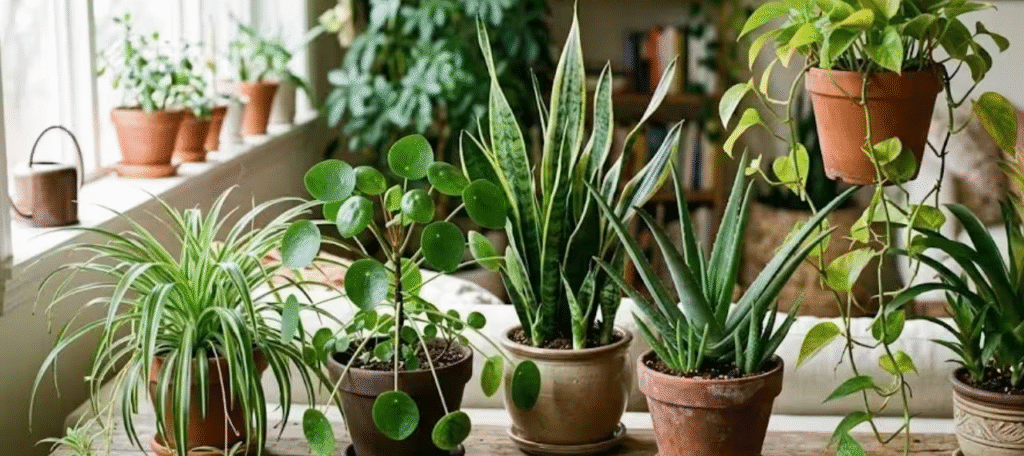
Before you buy a plant solely because it looked gorgeous on a store display, take an honest look at your actual apartment and your daily routine:
- Assess your actual light: Which direction do your windows face? Does harsh sunlight actually beam through the glass, or is the room mostly soft, ambient shade?
- Be honest about your schedule: Are you someone who loves daily hands-on routines, or do you travel constantly and forget what day of the week it is?
If you’re prone to forgetting about your plant care, buy a Snake Plant or a ZZ Plant. If you’re the type of person who wants to inspect their plant every morning with a cup of coffee, a Peace Lily will actually appreciate the extra attention.
The Three Core Rules: Light, Water, and Pots
1. Deciphering “Light”
- Bright, Direct Light: Unfiltered sun beams directly hit the plant’s leaves (think of where a cat chooses to take a afternoon nap).
- Bright, Indirect Light: The room is brightly lit—you can comfortably read a book without turning on a lamp—but direct sun beams aren’t scorching the leaves.
- Low Light: Dimmer spots, like windowless hallways, deep room corners, or north-facing rooms with small windows.
2. The Golden Rule of Watering
Here’s the secret every experienced plant parent knows: more houseplants die from too much love (over watering) than from neglect.
When soil stays constantly soaked, the roots can’t breathe and eventually rot. Throw out strict calendar schedules like “watering every Monday.” Instead, use the finger test:
- Push your finger two inches down into the soil.
- If it feels damp and soil sticks to your skin, leave the watering can alone.
- If it feels completely dry and dusty, give the plant a thorough soak until water drains out the bottom.
3. Why Drainage Is Non-Negotiable
Always use pots with drainage holes at the bottom. If you fall in love with a decorative ceramic pot without holes, keep the plant in its cheap plastic nursery pot and set it inside the decorative container. When it’s time to water, take the inner pot out, let the excess water drain into the sink, and drop it back inside.
Low-Effort Maintenance Habits
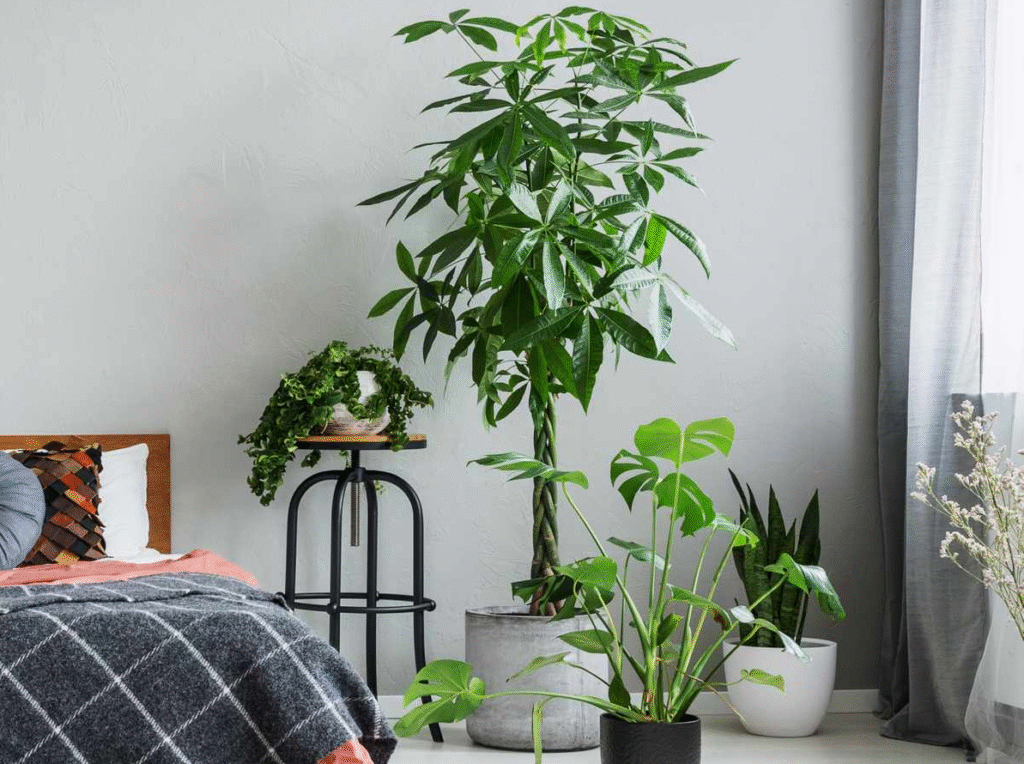
Keeping plants healthy doesn’t require hours of weekly effort. Just build a few quick habits into your normal routine:
- Dust the foliage: Broad leaves collect household dust, which blocks sunlight from reaching the plant cells. Wipe larger leaves down gently with a damp rag every month or so.
- Give the pot a turn: Plants naturally lean toward the nearest window. Rotate your pot a quarter-turn every few weeks so the plant grows straight and bushy instead of leaning awkwardly sideways.
- Trim off dead growth: If an older bottom leaf turns yellow or crispy brown, snip it off near the base so the plant can send its energy to fresh new growth.
Troubleshooting Common Problems
If a plant starts looking a little sad, don’t panic or throw it in the trash—it’s just trying to tell you something:
- Yellow, soft leaves? You’re likely watering too frequently, or the soil isn’t letting water drain out fast enough.
- Crispy, brown tips? The indoor air might be too dry, or the plant went way too long without a drink.
- Stretched, spindly stems? The plant isn’t getting enough sunlight and is literally stretching its body toward the window to find light. Move it closer.
Make one small adjustment at a time, give the plant a week or two to respond, and watch what happens.
Keep It Casual
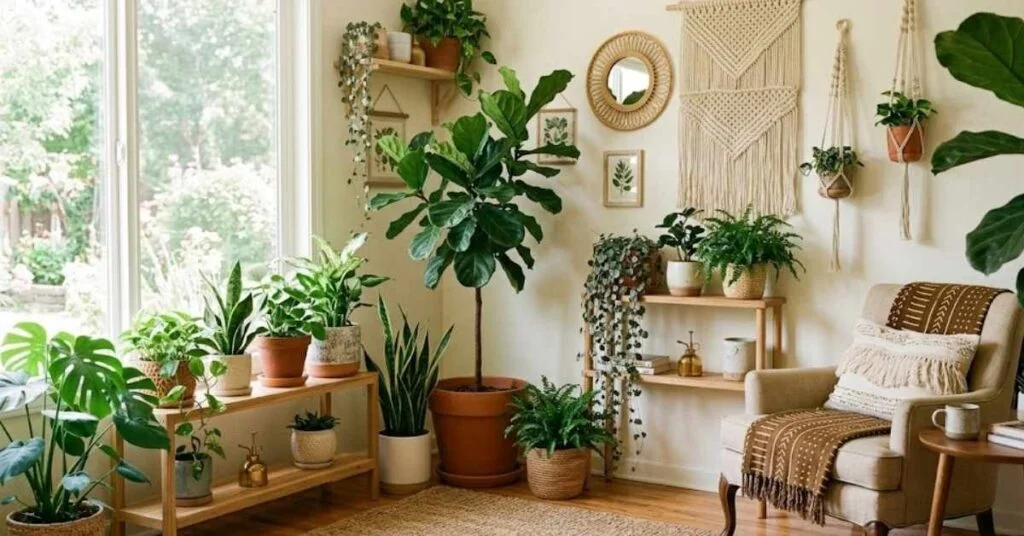
Indoor gardening isn’t about running an immaculate, flawless greenhouse. It’s about bringing a little more life inside your home, learning through trial and error, and enjoying the quiet satisfaction of growing something real.
Start with just one easygoing plant. Figure out what makes it happy, get comfortable feeling the soil, and enjoy the pop of color on your shelf. Before you know it, taking care of your plants won’t feel like a chore at all—it’ll just feel like home.
FAQ’S
The Ultimate Kitchen Essentials Buying Guide: What You Really Need
If you are setting up your first real kitchen, tearing down a cluttered nightmare of…
“Indoor Gardening for Beginners: Easy Plants and Care Tips”
Look, let’s be completely real for a second: you don’t need a massive backyard, a…

The Ultimate Home Decor Guide: Easy Ideas for a Stylish Home
Look, let’s throw out the textbook interior design rules for a minute. If you scroll…

20 Healthy Daily Habits for Better Immunity and Overall Wellness
Let’s be honest with each other for a second: nobody gives a single thought to…
The Ultimate Room-by-Room Organization Guide for a Tidy Home
Let’s be real for a minute: nobody actually wants to spend their weekend organizing a…

10 Simple Weight Management Tips for Sustainable Results
If you’ve ever tried to lose weight or get your health together, you already know…