
There is almost nothing more infuriating than waking up, walking into the bathroom, looking in the mirror, and seeing a massive, red, angry pimple staring right back at you. It always seems to happen at the exact worst possible time. You have an interview, a date, a presentation, or a big weekend planned, and suddenly your face decides to throw a complete tantrum. For anyone dealing with acne, these unexpected breakouts can feel even more frustrating and difficult to ignore.
Your immediate instinct in that moment is completely human: panic, frustration, and a desperate urge to declare war on your own face.
So, what do most of us do? We throw every single product we own at the problem. We scrub our faces until our skin is raw. We slather on strong exfoliators, layer three different spot treatments, and maybe even search the internet for some bizarre quick fix involving household items. We act like if we just try hard enough, we can punish our skin into submission overnight.
Here is the hard truth: skin does not respond well to punishment.
When you attack your skin with an aggressive combination of products, you don’t wake up with clear skin. You wake up with skin that is bright red, peeling, burning, dehydrated, and—ironically—far more broken out than it was when you started.
Managing acne isn’t about waging war. It’s not about finding a secret, magical product that clears your face in three hours. Real, lasting skin health is quiet, simple, and honest. It comes down to understanding what is actually happening beneath your skin, picking a few basic ingredients that are backed by science, and giving those ingredients the actual time they need to do their job.
If you are tired of wasting money on endless products and feeling overwhelmed by confusing skincare advice, take a deep breath. Let’s break down how to treat acne in a way that is practical, gentle, and actually works.
Part 1: What Is Actually Happening Under Your Skin?
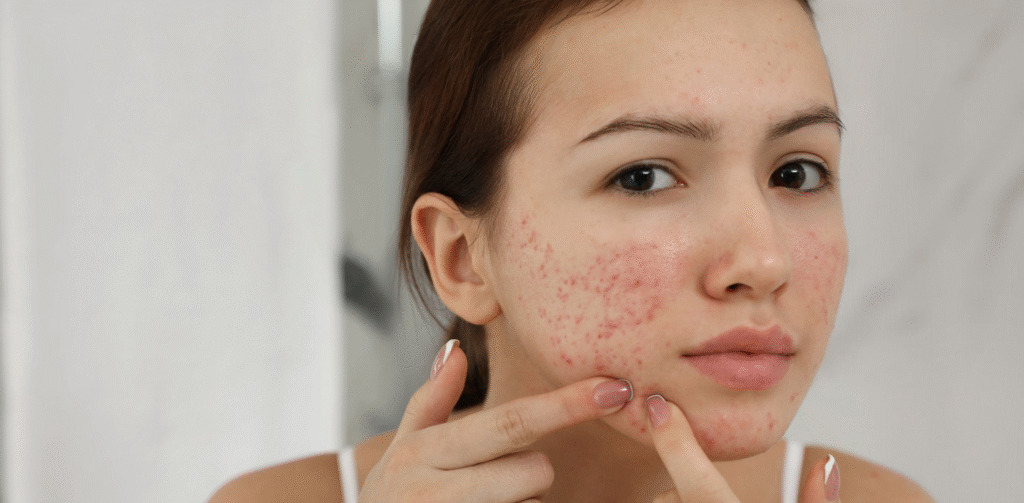
Before you go buying active serums or changing your routine, you need to understand what acne actually is. Knowing the basic biology removes a lot of the fear, confusion, and shame around breakouts.
Your skin is covered in thousands of tiny openings called pores, which are connected to hair follicles and sebaceous glands. These glands naturally produce an oily substance called sebum. Sebum isn’t your enemy; it’s actually essential for keeping your skin lubricated, protected, and healthy. At the same time, your skin is constantly shedding dead skin cells and replacing them with new ones.
In an ideal world, the dead skin cells rise to the surface and fall off naturally, while oil flows smoothly out of the pore.
Dead Skin Cells ] + [ Excess Sebum (Oil)
↓
Clogged Hair Follicle
↓
Cutibacterium acnes Bacteria
↓
Inflammation & Redness
↓
Visible Acne Breakout
When you have acne-prone skin, two specific things go wrong:
- Your glands produce too much oil.
- Your dead skin cells are “sticky” and don’t shed properly.
When those sticky dead skin cells mix with excess oil, they create a microscopic plug inside the pore. Once that plug forms, oxygen can no longer enter the pore. This creates a perfect environment for a naturally occurring bacterium called Cutibacterium acnes (C. acnes) to multiply rapidly.
Your body’s immune system notices this bacterial surge and sends white blood cells to fight it off. That immune response creates local swelling, heat, redness, and pus—which you see in the mirror as a classic pimple.
The Triggers You Can’t Always Control
Acne is rarely caused by just one single thing. It is usually a combination of factors working together:
- Hormones: Hormones are the primary driver of oil production. When hormones fluctuate—during puberty, periods, pregnancy, or periods of high stress—your sebaceous glands go into overdrive.
- Genetics: Look at your parents. If they struggled with oily skin or persistent breakouts when they were younger, your pores are naturally programmed to behave the same way.
- External Friction: Tight hats, phone screens, face masks, or chin straps rubbing against your skin can physically push oil and bacteria back down into your pores.
Get This Straight: Having acne does not mean your face is dirty. You did not get a pimple because you forgot to wash your face yesterday, and you cannot wash acne away. Scrubbing your face harder only damages your protective skin barrier, leading to increased irritation and even more breakouts.
Part 2: The Core Habits for Daily Skincare
If you want clearer skin, you don’t need a complicated ten-step routine. You just need to master four fundamental habits and stick to them every single day.
1. Cleanse Gently (Stop Scrubbing!)
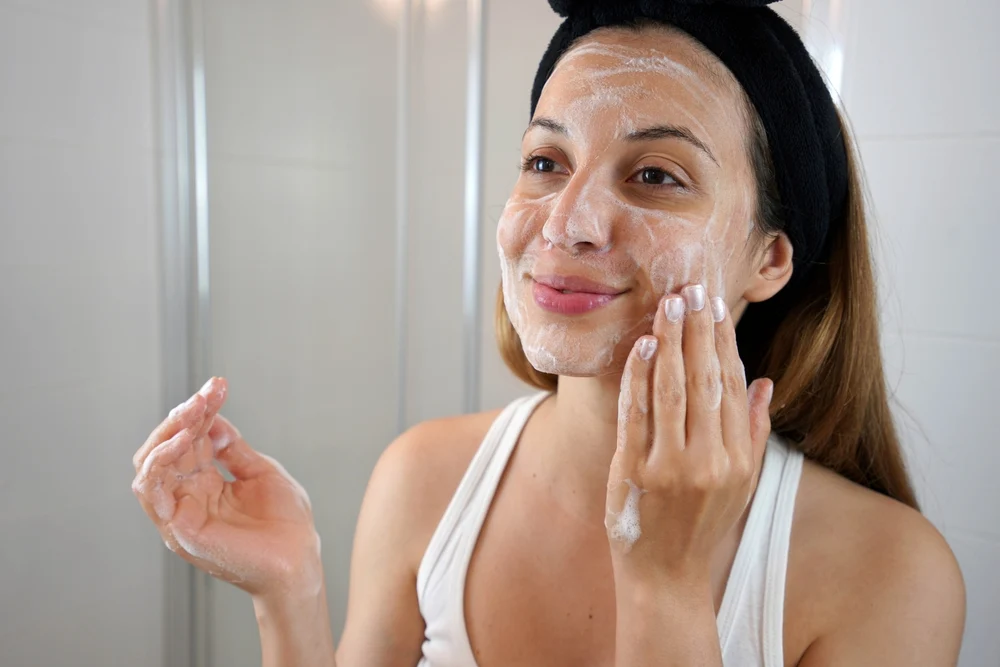
When your face feels oily or bumpy, the urge to use an intense, foaming face wash that leaves your skin feeling “squeaky-clean” is overwhelming.
That “squeaky-clean” feeling isn’t a sign of cleanliness; it is a sign that you have completely stripped away your skin’s natural moisture barrier. When your moisture barrier is damaged, moisture evaporates out of your skin rapidly. In response, your skin panics and starts producing even more oil to protect itself, keeping you trapped in a cycle of oiliness and breakouts.
- Wash twice a day: Once in the morning and once before bed. Wash an extra time only if you’ve been sweating heavily at the gym.
- Ditch the tools: Put away loofahs, rough washcloths, spinning brushes, and facial scrubs with jagged bead bits. They create micro-tears in inflamed skin and spread surface bacteria around.
- Use lukewarm water: Hot water strips essential lipids and worsens redness, while cold water doesn’t dissolve oil efficiently.
- Pick a simple cleanser: Look for a gentle, sulfate-free cleanser that cleans your skin without making it feel tight, itchy, or dry afterward.
2. Never, Ever Pop Your Pimples
Squeezing a whitehead feels deeply satisfying in the moment, but it is one of the worst things you can do to your skin.
When you pop a pimple, you aren’t just pushing pus out of the top. The pressure from your fingers ruptures the delicate wall of the pore underneath the skin. This spills bacteria, dead skin cells, and inflammatory fluids deep into the surrounding tissue.
Instead of a small surface bump that would have healed in three days, you now have a massive, deep, painful knot that takes weeks to clear. Even worse, picking creates mechanical trauma that leads to permanent dark spots (post-inflammatory hyperpigmentation) or physical, pitted scars that never fully go away.
If you can’t stop touching your face, buy a pack of hydrocolloid pimple patches. They absorb fluid from whiteheads, protect the spot from outside dirt, and physically block your fingers from picking.
3. Keep Your Skin Moisturized
A lot of people with oily or acne-prone skin skip moisturizer entirely because they assume adding lotion will clog their pores.
Remember this: oil and hydration are two completely different things. Oil is the lipid substance produced by your glands; hydration is the water content inside your skin cells. You can have incredibly oily skin that is completely dehydrated on the inside.
When you use acne treatments, they naturally dry out your skin. If you don’t use a moisturizer to seal in water, your skin barrier cracks, leaving you prone to peeling, burning, and severe irritation.
Look for a moisturizer labeled:
- Non-comedogenic (specially tested not to clog pores)
- Oil-free
- Lightweight / Gel-based (these absorb quickly without feeling heavy or greasy)
4. Wear Sunscreen Every Single Day
If you are treating acne without wearing sunscreen, you are fighting a losing battle.
Many common acne ingredients—especially retinoids, salicylic acid, and benzoyl peroxide—make your skin thinner and much more sensitive to sunlight. Unprotected sun exposure increases skin inflammation, damages your collagen, and turns the temporary red or brown marks left behind by old pimples into stubborn, long-lasting dark spots.
Find a broad-spectrum facial sunscreen with SPF 30 or higher. Modern formulas are lightweight, oil-free, and won’t leave a heavy grease layer on your skin.
Part 3: Active Ingredients Explained Simply
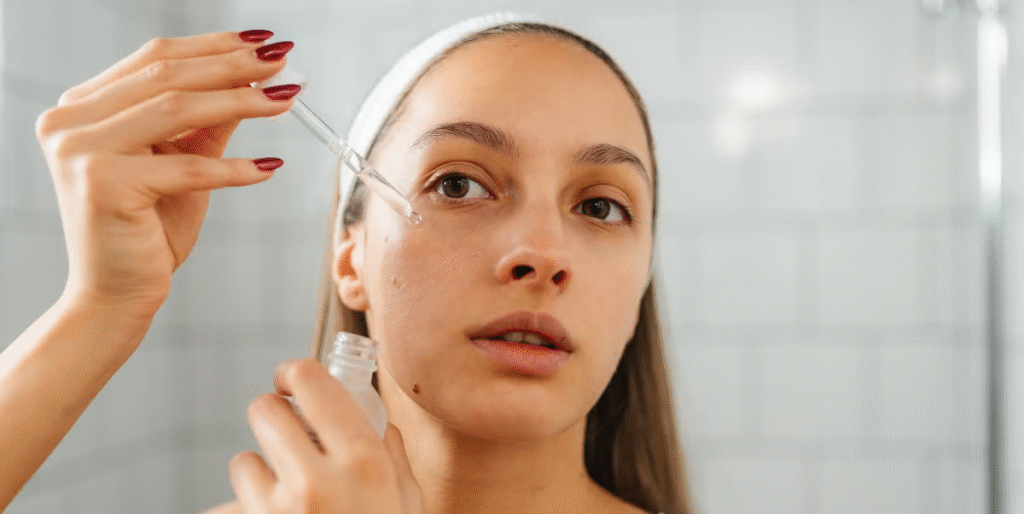
You don’t need five different treatment serums. In fact, using too many active ingredients at once will wreck your skin barrier. Pick one main ingredient that targets your specific type of acne, and use it consistently.
| Active Ingredient | Primary Function | Best For | How to Introduce |
| Salicylic Acid (BHA) | Unclogs pores, dissolves oil, exfoliates dead skin | Blackheads, whiteheads, mild clogged pores | 2–3 times a week, gradually increasing to daily if tolerated |
| Benzoyl Peroxide | Kills acne-causing bacteria, reduces inflammation | Red, swollen, pus-filled inflammatory pimples | Daily (start with a low 2.5% to 5% concentration) |
| Adapalene (Retinoid) | Regulates skin cell turnover, prevents pore clogging | Persistent acne, texture, long-term prevention | 2 nights a week to start, slowly working up to every night |
Salicylic Acid (BHA)
Salicylic acid is an oil-soluble acid. Because it loves oil, it is able to pass through your surface sebum and sink deep down into the lining of your pores. Once inside, it breaks down the sticky bonds holding dead skin cells together, dissolving the clogs before they turn into pimples.
- Best for: Blackheads, whiteheads, rough texture, and mild clogged pores.
- How to use it: Start by using a 1% or 2% liquid exfoliant or serum two to three nights a week.
Benzoyl Peroxide
Benzoyl peroxide works by introducing pure oxygen directly into the pore. Because C. acnes bacteria are anaerobic—meaning they cannot survive in the presence of oxygen—benzoyl peroxide kills them almost immediately. Unlike antibiotics, bacteria cannot build up a resistance to benzoyl peroxide over time.
- Best for: Red, swollen, tender, pus-filled pimples.
- Pro-Tip: Benzoyl peroxide will bleach fabric! Wash your hands thoroughly after applying it, and stick to white towels and white pillowcases so you don’t ruin your colored laundry. Lower percentages (2.5% or 4%) work just as well as 10% formulas with far less irritation.
Adapalene (Topical Retinoid)
Adapalene is a vitamin A derivative. Rather than just treating a single pimple after it pops up, adapalene works at the cellular level to speed up cell turnover. It trains your skin cells to shed properly, stopping pores from clogging in the first place.
- Best for: Persistent acne, uneven skin texture, and long-term clear skin maintenance.
- How to use it: Retinoids require real patience. They can cause mild peeling or dryness during the first few weeks (often called “purging”). Always apply a pea-sized amount to completely dry skin at night, starting just two nights a week before building up frequency.
- Note: If you are pregnant or nursing, avoid retinoids and talk to a doctor about alternatives like Azelaic Acid.
Part 4: Building Your Daily Routine
Here is how simple your routine can actually be. You don’t need a counter full of bottles—just these core steps.
1.Morning Routine: Protect & Maintain:Keep it light and focused on protection.
- Cleanse: Wash gently with a mild, non-drying cleanser and lukewarm water.
- Moisturize: Apply a lightweight, oil-free gel or lotion moisturizer to lock in hydration.
- Protect: Apply a broad-spectrum SPF 30+ sunscreen generously as your final step.
2.Evening Routine: Cleanse & Treat:Focus on repair and targeted treatments.
- Cleanse: Wash away the day’s dirt, oil, and sunscreen using your gentle cleanser.
- Treat: Apply one chosen acne treatment (e.g., Salicylic Acid, Benzoyl Peroxide, or Adapalene) to clean, dry skin.
- Moisturize: Follow up with your moisturizer to keep your barrier healthy overnight.
Part 5: Avoid These Common Skincare Mistakes
Even with the best products, simple daily habits can secretly sabotage your progress. Pay attention to these common pitfalls:
1. Product Hopping
This is where most people fail. You buy a new product, use it for four days, notice a new pimple on day five, decide it “doesn’t work,” and buy something else.
Your skin cell cycle takes roughly 28 days to renew itself. Any treatment you apply today needs weeks to affect the new skin layers forming underneath. You must give a new product at least 6 to 8 weeks of consistent use before deciding whether it is working. Switching products every few days just keeps your skin in a constant state of irritation.
2. DIY Home Remedies
The internet is full of “natural” home hacks that promise to shrink pimples using items from your kitchen or bathroom cabinet.
DIY Hack Common Result on Skin
Lemon Juice ──► Severe acid burns & extreme sun sensitivity
Baking Soda ──► Destroys skin’s acid mantle (pH spike)
Toothpaste ──► Chemical irritation, contact dermatitis, peeling
Raw Garlic ──► Chemical burns & localized tissue damage
- Lemon juice is far too acidic for your face and can cause chemical burns or severe dark spots when exposed to sunlight.
- Baking soda is far too alkaline, completely destroying your skin’s protective acid mantle.
- Toothpaste contains harsh flavorings, detergents, and alcohol designed for enamel—not delicate facial skin. Putting it on a pimple often leaves a dark, burnt ring that takes months to fade.
Keep your kitchen items in the kitchen and stick to products formulated specifically for skin.
3. Haircare Product Transfer
If you get persistent pimples along your forehead, temples, or hairline, your face wash might not be the issue at all.
Conditioners, hair oils, hairsprays, and styling gels contain heavy waxes and silicones designed to coat hair shafts. When these products run down your forehead in the shower or rub off onto your skin during the day, they clog pores around your hairline. Always wash your face after you have rinsed the conditioner completely out of your hair.
4. Dirty Everyday Items
Think about the things that touch your face every day:
- Pillowcases: They collect dead skin, oil, drool, and hair products every night. Change your pillowcase at least twice a week.
- Phones: Your phone screen is covered in surface bacteria. Wipe it down regularly or use earbuds instead of pressing it against your cheek.
- Towels: Stop wiping your face with the same towel you use to dry your body after a shower. Use a small, fresh hand towel specifically reserved for your face.
Part 6: When to See a Dermatologist
Over-the-counter products are great for mild surface breakouts, blackheads, and occasional pimples. However, store-bought skincare has its limits.
You should book an appointment with a board-certified dermatologist if:
- You have deep, hard, painful lumps underneath the skin that never come to a head (cystic acne).
- Your breakouts are leaving permanent indented or raised scars.
- Your skin is causing severe emotional distress, anxiety, or low self-esteem.
- You have followed a consistent, simple over-the-counter routine for three months with zero progress.
Dermatologists can offer prescription-strength topical treatments, oral medications, hormonal therapies, or targeted procedures that can handle deep, severe acne far better than any store-bought bottle ever could. Getting professional help isn’t a failure—it’s just taking smart care of your body.
Be Patient With Your Skin
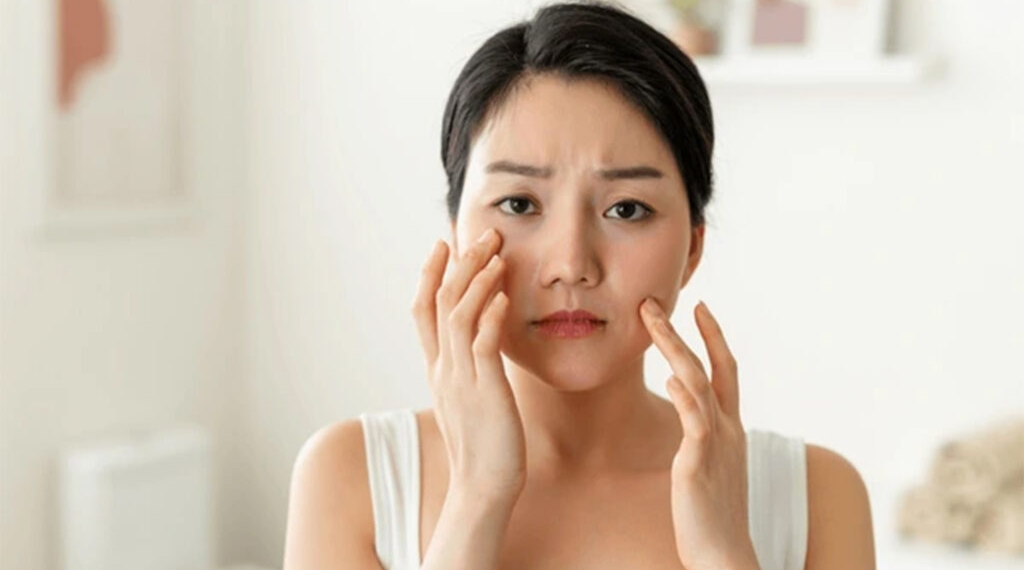
If you take only one thing away from this guide, let it be this: clear skin is a long game.
There is no magical product, no secret overnight cure, and no secret trick that wipes away acne instantly. Real skin has texture, pores, oil, and bad days. A single pimple does not mean your routine has failed, and a sudden breakout after a good month does not mean you are back at square one.
Stop punishing your skin because you are frustrated with how it looks today. Be gentle with it. Stick to the basics, protect your skin barrier, give your products time to work, and give yourself grace while your skin heals. Clearer, healthier skin is completely possible—it just takes time, consistency, and patience.
FAQ’S
1. “Why does my face keep breaking out even though I wash it twice a day?”
Over-washing strips your skin’s protective barrier, forcing your glands to pump out even more oil to compensate.
2. “How long should I actually give a new acne product before deciding it failed?”
You need a full four to eight weeks of consistent use so the ingredient can work through your natural skin cycle.
3. “Can I skip moisturizer if my skin already feels like an oil slick by noon?”
No—skipping it dehydrates your skin cells underneath, which ironically triggers your face to produce even more surface oil.
4. “What should I do when a massive, painful pimple shows up right before an event?”
Pop on a hydrocolloid pimple patch to absorb fluid safely, or use a tiny dab of gentle benzoyl peroxide instead of popping it.
5. “How can I figure out if my breakouts are from stress, hormones, or my shampoo?”
Notice where they land: hair products trigger bumps along your hairline, while hormones and stress usually target your jawline and chin.