
We’ve all been there. You wake up on a random Tuesday, swallow, and feel that unmistakable, scratchy sandpaper feeling in the back of your throat. You try to tell yourself it’s just dry air or allergies, but deep down, you know the truth: a cough and cold has officially crashed your week.
Within forty-eight hours, your head feels like a bowling ball, your nose turns into a leaky faucet, and your night’s sleep is hijacked by an annoying, relentless cough. Suddenly, basic everyday tasks like answering emails, doing laundry, or concentrating on a conversation feel like climbing Mount Everest.
While there is no secret pill or magic spell that cures a cold overnight—trust me, if there were, whoever invented it would be a billionaire—there is a lot you can do to shorten the misery, manage the pain, and get your life back on track faster.
What’s Actually Going On in Your Body?


It’s easy to blame a cough and cold on getting caught in the rain or forgetting your jacket, but colds are purely viral invaders. Rhinoviruses are the usual suspects, though over 200 distinct viral strains can trigger the exact same symptoms. Because there are so many variations floating around out there, your immune system has to learn them one by one. That’s precisely why you can catch three or four cough and cold infections a year and feel like you’re playing an endless game of biological tag.
When a virus sets up camp in your upper respiratory tract, your immune system doesn’t sit back silently; it goes straight into defense mode:
The Swelling and Inflammation: That raw, burning throat and stuffed-up nose aren’t actually caused directly by the virus itself. They are the collateral damage of your immune system sending extra blood and white blood cells to fight off the invaders.
The Body’s Cleanup Process: Sneezing, runny noses, and coughing are just your body’s blunt-force physical mechanisms to blast the bad stuff out of your system during a cough and cold.
It feels pretty awful while it’s happening, but it’s helpful to remember that those uncomfortable symptoms mean your immune system is working exactly as it should.
Decoding Your Cough: Dry vs. Wet
Not all coughs are built the same, and figuring out what kind you’re dealing with helps you choose the right comfort measures.
The Irritating Dry Cough
This is that ticklish, useless cough that feels like an annoying feather stuck in your throat. It usually pops up early in an infection or lingers for weeks after everything else has cleared up. It doesn’t bring up any mucus, but it sure knows how to keep you awake at 3:00 AM.
The Heavy Wet Cough
Also known as a productive cough, this one brings up phlegm. While it sounds nasty and feels unpleasant, it is actually doing vital work. Your lungs are trying to clear out heavy secretions so they don’t sit in your chest and invite bacterial infections.
A Quick Tip: Try not to suppress a wet, chesty cough completely during the day with heavy cough medicine—your body needs to get that gunk out of your lungs!
The “Why Is It Worse at Night?” Dilemma
Ever notice how your cough gets ten times worse the second your head hits the pillow? Gravity is the culprit here. When you lie flat, mucus naturally drains down the back of your throat (post-nasal drip), triggering your cough reflex over and over. Elevating your head with two or three pillows can make a massive difference in how well you sleep.
How Cold Bugs Spread (And How to Be a Good Neighbor)

Cold viruses are absolute masters of transit. Every time an infected person coughs, sneezes, laughs, or talks loudly, tiny invisible droplets carrying the virus spray into the air. You inhale them directly, or you touch a contaminated doorknob, phone, or coffee mug handle, and then touch your eyes, nose, or mouth without thinking.
- Your Most Infectious Window: You are generally most contagious during the first three to four days after your symptoms start, right when you feel the absolute worst.
- Simple Containment: Wash your hands with warm water and soap for a full twenty seconds. If you have to cough or sneeze, use the inner crook of your elbow, not your bare palms.
Real Home Remedies That Actually Work
Forget expensive, gimmicky supplements claiming to kill a cold in an hour. When you’re stuck in the thick of it, simple, time-tested home care offers the best relief.
| Home Remedy | What It Actually Does | How to Use It |
| Aggressive Hydration | Thins out thick mucus and keeps dry airways lubricated. | Water, herbal teas, clear broths, warm lemon water. |
| Warm Salt Water Gargle | Draws fluid out of swollen throat tissue and washes away irritants. | Dissolve 1/2 teaspoon of salt in warm water; gargle 3x daily. |
| Steam & Humidity | Opens clogged nasal passages and relaxes tight bronchial tubes. | Hot showers, facial steam bowls, or bedroom humidifiers. |
| Unapologetic Rest | Saves precious energy so your immune system can fight full-time. | Sleep as much as your schedule allows. |
The Power of Honey and Tea
A simple mug of warm herbal tea with a generous spoonful of honey does wonders. Honey acts as a natural demulcent—it coats the back of your throat, soothes raw nerve endings, and reduces coughing fits naturally.

Chicken Soup Isn’t Just Nostalgia

Your parents and grandparents were onto something with chicken soup. The warm broth delivers necessary fluids and electrolytes, the steam loosens up clogged sinuses, and the soft vegetables and protein give your body gentle nourishment when your appetite is shot.
What About Over-the-Counter Medications?
Medications won’t shorten the duration of a viral cold, but they can lower the volume on your symptoms so you can rest.
- Pain Relievers and Fever Reducers: Acetaminophen or ibuprofen can help tame nagging headaches, body aches, sinus pressure, and mild fevers.
- Decongestants: Oral decongestants or nasal sprays can temporarily open up a completely blocked nose. However, limit medicated decongestant nasal sprays to no more than three consecutive days, or you risk “rebound congestion”—where your nose gets even more stuffed up once the medicine wears off.
- Saline Sprays: Simple salt-water nasal sprays are drug-free, completely safe, and can be used as often as you want to flush out stubborn mucus and moisturize dry nasal passages.
Debunking Popular Cold Myths

Misinformation around colds has been passed down for generations. Let’s set the record straight:
- Myth 1: “Going outside with wet hair gives you a cold.”The Truth: Cold air might make your nose run temporarily, but cold temperatures do not create viruses. You get a cold by catching a virus, period. We get sick more often in winter mainly because we gather indoors in close proximity with doors and windows shut tight.
- Myth 2: “You need antibiotics for a really severe cold.”The Truth: Antibiotics kill bacteria, not viruses. Taking an antibiotic for a common cold won’t help you feel better, won’t cure the virus, and can cause stomach distress while contributing to dangerous antibiotic resistance.
- Myth 3: “Downing massive doses of Vitamin C cures a cold immediately.”The Truth: While Vitamin C is great for everyday health, blasting your body with high doses after you’re already sick won’t magically halt the virus in its tracks (though it might give you an upset stomach!).
Taking Care of Sick Kids
Children can easily catch six to eight colds a year because their immune systems are still developing and building a memory bank of viruses.
When helping a child navigate a cold, keep it simple. Focus on quiet rest, gentle hydration, and comfort. For infants who can’t blow their noses, use simple saline nasal drops paired with a rubber bulb syringe or nasal aspirator to gently clear their airways before feedings and bedtime. Always consult a pediatrician before giving any over-the-counter cold medications to young children, as many adult formulas are unsafe for little bodies.
When to Stop Tucking It Out and Call a Doctor
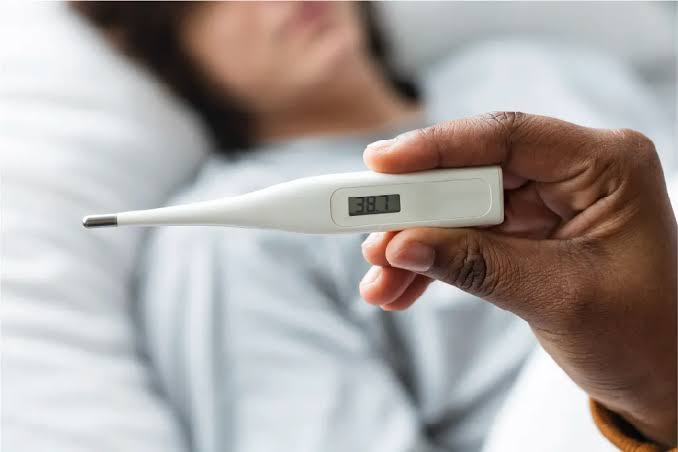
Most routine cough and cold illnesses run their course and improve within seven to ten days. However, sometimes a simple viral cold can open the door for a secondary bacterial infection like sinusitis, ear infections, or bronchitis.
Listen to your body and seek professional medical care if you experience symptoms of a cough and cold, including:
1. True difficulty breathing, wheezing, or sharp chest pain
2. A high fever that won’t come down with medication, or a fever lasting longer than three days
3. Symptoms that start getting better, but then suddenly bounce back with a severe fever or cough
4. A lingering cough that hasn’t improved after three full weeks
5. Inability to keep fluids down, leading to dizziness or dehydration during a cough and cold
Returning to Normal Life
It’s tempting to jump right back into long workdays or intense workouts the moment you feel 70% better from a cough and cold, but rushing back too quickly can trigger a relapse and prolong your overall recovery time.
Wait until your fever has been completely gone for at least 24 hours without fever-reducing medications, and make sure your energy levels are steadily returning before taking on full workloads or heavy exercise. Give yourself permission to go slow—your body just fought a real cough and cold battle, and it deserves a little extra time to build back its strength and fully recover from a cough and cold.
Frequently Asked Questions
Q1: How long does a typical common cold usually last?
Most cold symptoms peak around day three and resolve within seven to ten days, though a minor cough can linger slightly longer.
Q2: Can exercising while sick help sweat out a cold?
Light walking is fine if your symptoms are above the neck, but heavy workouts drain energy your immune system needs for recovery.
Q3: Is a cold contagious before actual symptoms even begin?
Yes, you can spread a cold virus roughly 24 hours before your symptoms start, peaking during the first few days of feeling sick.
Q4: Why does a cold cause so many body aches?
Body aches happen because your immune system releases chemical messengers called cytokines to fight off the viral infection.
Q5: Can a cold turn into a serious bacterial infection?
Yes, lingering viral colds can sometimes weaken your defenses and lead to secondary bacterial sinus, ear, or chest infections.