
There was a time when sneakers were simple. You bought one pair for gym class, maybe another for beating around the neighborhood, and that was about it. They were practical, rubber-soled, and strictly functional.
Fast forward to today, and the humble sneaker has pulled off one of the biggest takeovers in modern fashion.
Walk into a board meeting, stroll through an airport, or grab a quiet morning coffee, and you’ll see the exact same thing: sneakers are everywhere. They’ve bridged the gap between raw performance and street-level style, becoming the ultimate canvas for self-expression.
Consumers expect shoes that work just as hard as they do. We want pairs that look sharp with tailored trousers, feel like clouds on a ten-thousand-step day, and don’t fall apart after six months.
1. Comfort Takes Center Stage
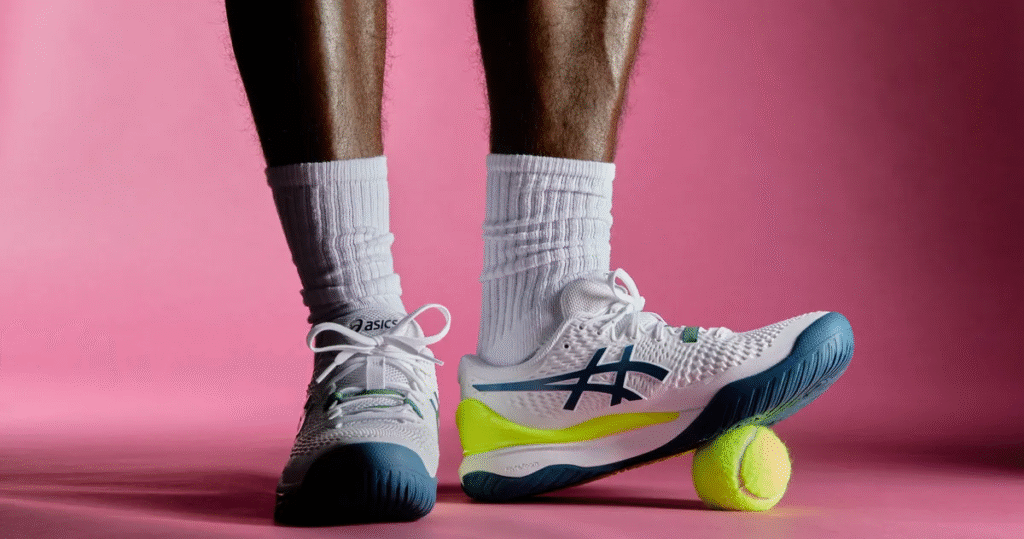
If you’ve ever limped home after spending eight hours on your feet in stiff dress shoes, you already know why comfort has become non-negotiable.
Long commutes, hybrid work schedules, and bustling city walks have forced us to pay attention to what’s happening underfoot. We aren’t willing to suffer for fashion anymore.
Old Thinking: "Beauty is pain—break them in."
Modern Standard: "Instant comfort, or they stay on the shelf."
Brands have taken notice. Today, cushioning systems aren’t just thick slabs of foam; they are engineered marvels. Modern midsoles act like little shock absorbers, soaking up impact and giving a bit of energy back with every step. Lightweight materials mean your feet don’t feel like brick weights by 5:00 PM.
From adaptive arch support to breathable knit uppers that hug your foot like a second sock, comfort has officially gone from an added bonus to a baseline requirement.
2. Style Without Sacrificing Practicality
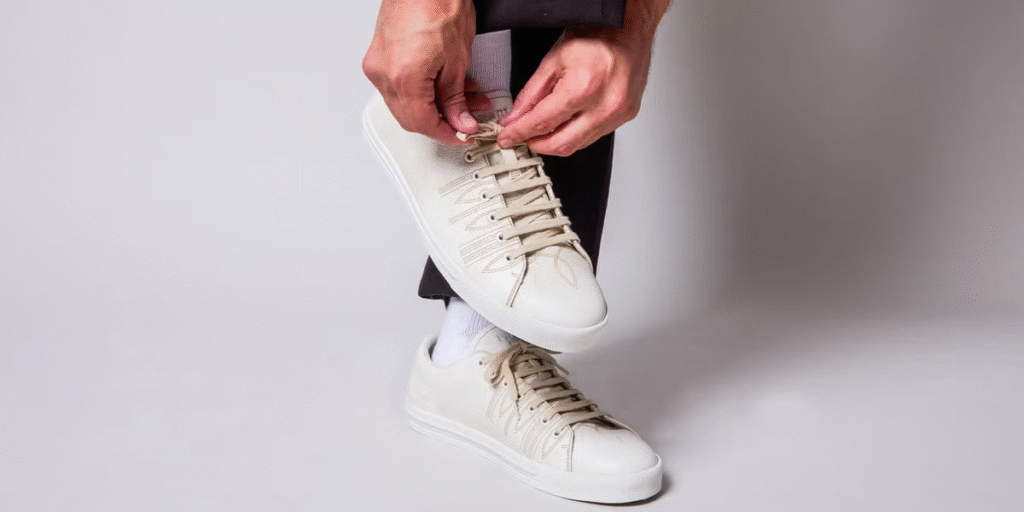
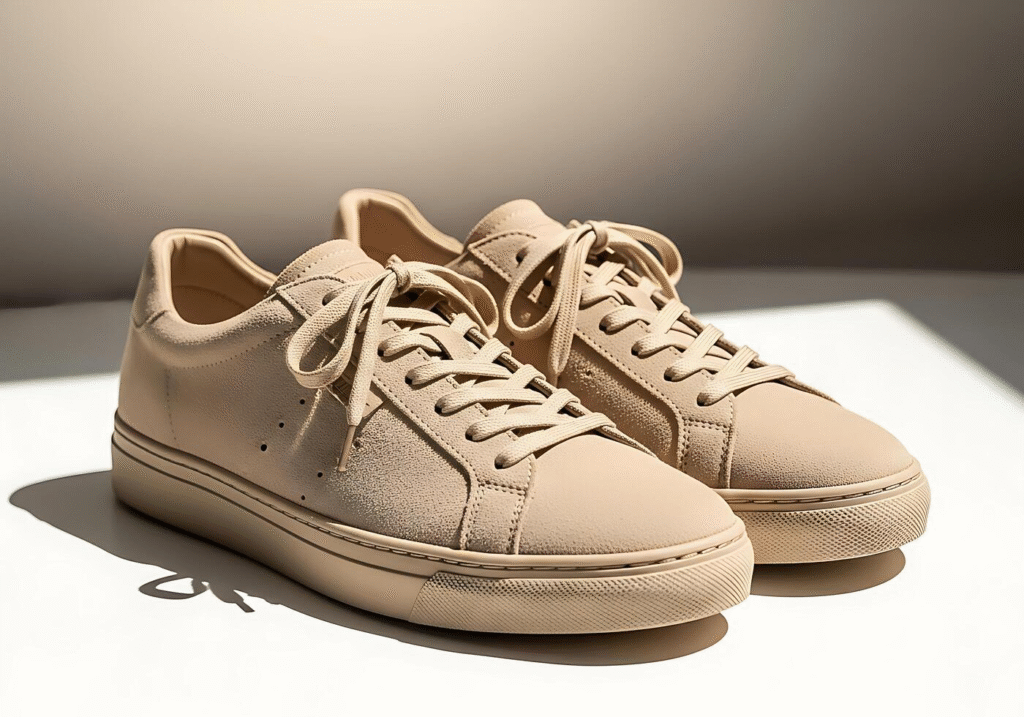
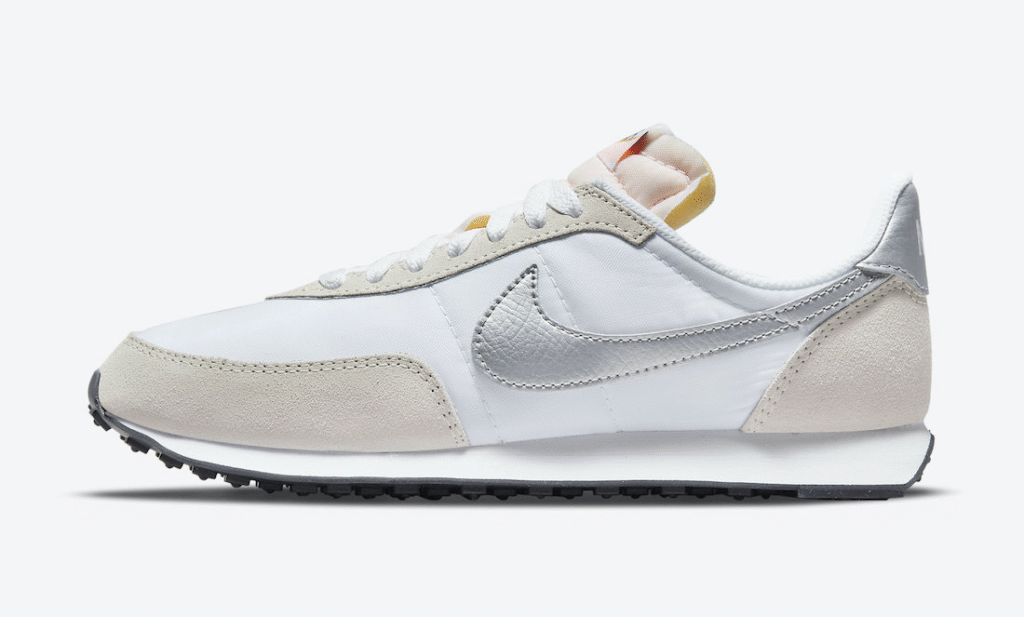
Versatility is the golden rule of modern dressing. Nobody wants a wardrobe full of single-use items, and that goes double for footwear.
Timeless Neutrals vs. Bold Statements
- The Classics: Clean white leather trainers, muted beiges, cool grays, and deep navies remain the backbone of everyday style. They transition effortlessly from casual offices to weekend dinners.
- The Showstoppers: Bright colorways, rich textures, and dramatic silhouettes let people inject personality into a basic outfit.
The rise of minimalist, subtle designs has made it easier than ever to pair sneakers with smart-casual attire. At the same time, chunky midsoles and retro revivals offer plenty of character for those who like their shoes to start conversations.
3. The Shift Toward Earth-Conscious Craftsmanship
We’ve all become a bit more mindful of what we buy and where it comes from. The footwear industry—historically notorious for waste—is undergoing a massive, long-overdue green evolution.
Recycled Plastics ➔ Knitted Uppers
Plant-Based Foams  ➔ Shock-Absorbing Midsoles
Wild Harvested Rubber ➔ Durable Outsoles
Shoe designers are proving that eco-friendly construction doesn’t mean sacrificing performance or durability. Recycled ocean plastics, organic cottons, sugarcane-derived foams, and natural rubbers are replacing traditional petroleum-based synthetics.
Choosing sustainable footwear isn’t just a trend anymore; it’s a conscious choice to support better manufacturing practices without compromising on style.
4. Technology Behind Every Step
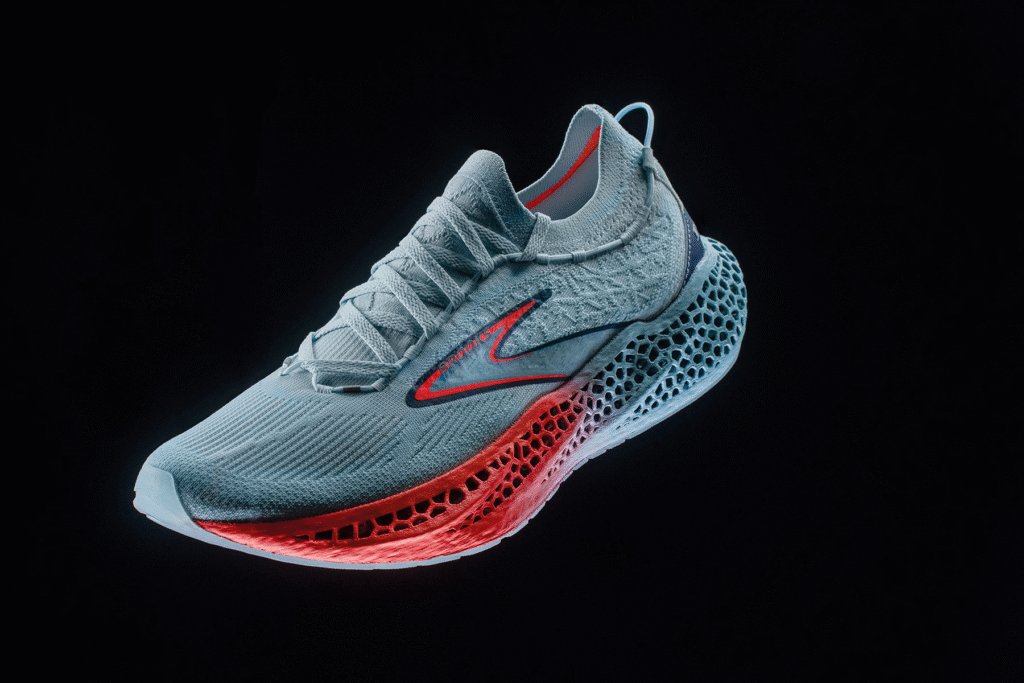
It’s easy to take a sneaker for granted until you look at the science packed beneath the surface. Today’s footwear development relies heavily on digital modeling, anatomical research, and advanced material engineering.
Key Tech Upgrades:
- 3D-Printed Midsoles: Mapped specifically to provide targeted support where the foot experiences the most pressure.
- Adaptive Mesh Uppers: Fabrics that expand as your feet naturally swell throughout the day.
- Thermal Regulation: Linings that pull heat away from your feet during summer walks and trap it during chilly morning commutes.
The goal isn’t to build a shoe that looks like a spaceship—it’s to use high-tech engineering to create something so comfortable you forget you’re wearing it.
5. Built for Real Life and Unplanned Journeys
Modern routines rarely stay in a single lane. You might start your day dashing for a train, spend hours sitting at a desk, squeeze in a midday walk, and meet up with friends in the evening. Changing shoes three times a day simply isn’t practical.
That’s where the “everyday driver” sneaker comes in.
What Makes a Great Everyday Shoe?
- Durability: Soles that don’t smooth out after a few months of heavy pavement pounding.
- Easy Upkeep: Materials that wipe down quickly after an unexpected puddle or coffee spill.
- All-Day Arch Support: Underfoot stability that keeps your back and joints happy.
For travelers, a lightweight, packable sneaker that works with multiple outfits is worth its weight in gold. When space is limited, carrying one pair that does everything makes packing effortless.
6. Where Athletic Roots Meet Street Fashion
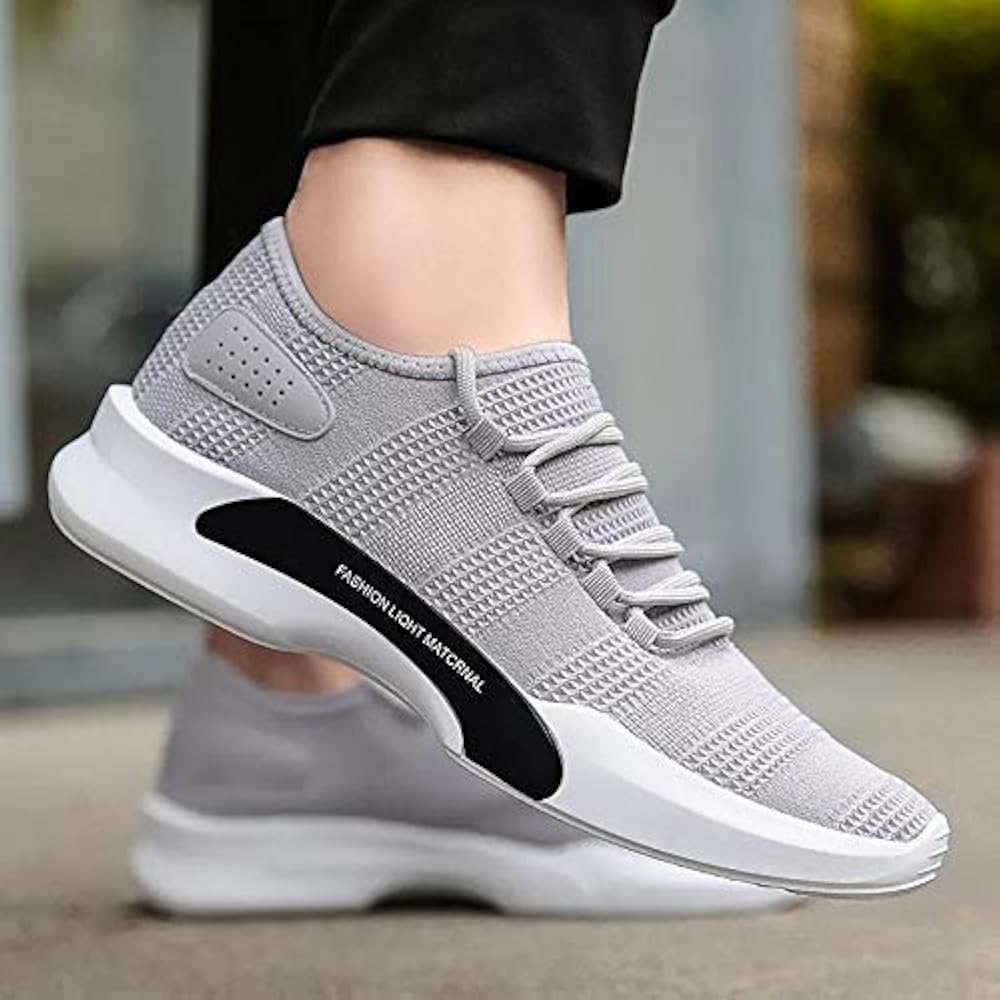
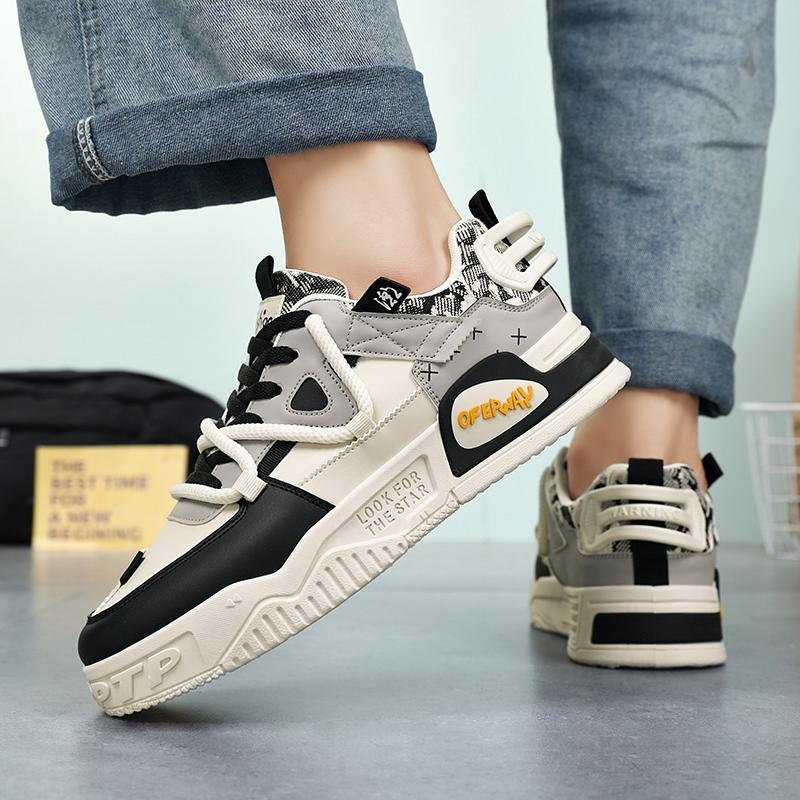
Look around, and you’ll see running shoes, trail runners, and basketball sneakers dominating sidewalks everywhere. The lines between pure athletic gear and everyday street fashion have permanently blurred.
Technologies designed to help marathon runners break records are now built into shoes made for grocery runs and weekend strolls. High-performance cushioning, rugged outsole tread, and ergonomic heel cradles benefit anyone who spends time on their feet, proving you don’t need to be an athlete to enjoy elite support.
7. How to Find Your Ideal Match
With thousands of options flooding stores and websites, finding the right pair comes down to understanding your foot shape and routine.
| Foot Consideration | What to Look For | Pro Tip |
| Wide Feet | Generous toe boxes, flexible knit materials | Try shoes toward the end of the day when feet are naturally slightly swollen. |
| High Arches | Structured midsoles, targeted arch cushioning | Look for removable insoles in case you need custom orthotics. |
| Flat Feet | Firm heel counters, supportive medial posts | Avoid overly soft, squishy foams that offer zero lateral stability. |
Comfort should be immediate. If a shoe pinches, rubs, or feels stiff right out of the box, don’t count on a long “break-in period” to save it.
8. Quality Over Quantity: The Shift to Mindful Buying
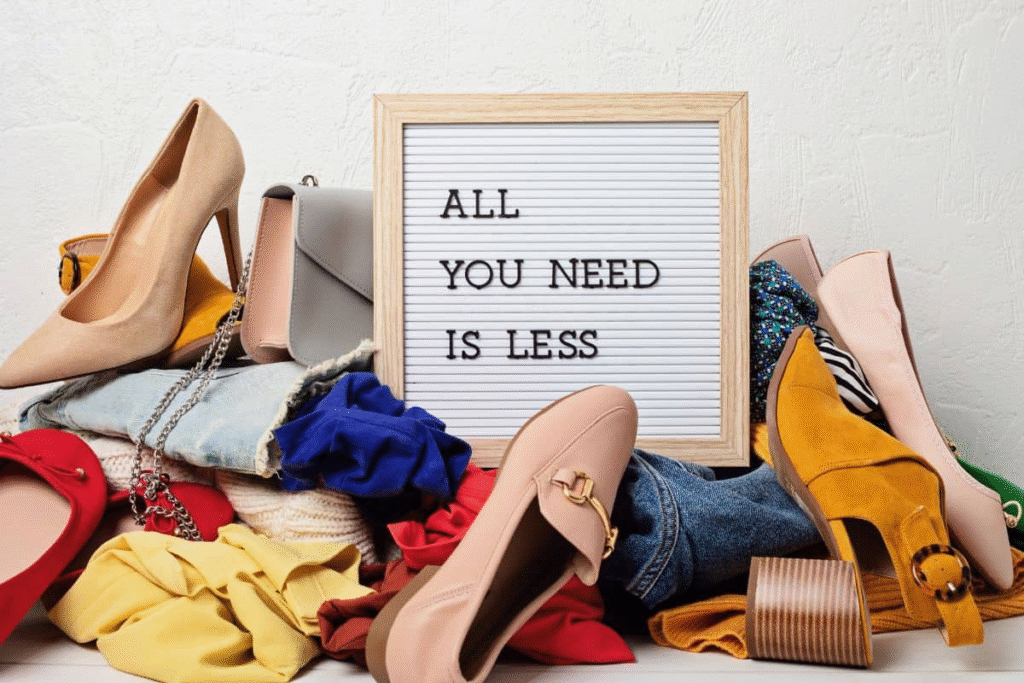
The era of buying dozens of cheap, disposable shoes is giving way to a more thoughtful approach: buy less, choose better.
A well-constructed pair of sneakers made with premium materials will outlast three pairs of budget alternatives. They hold their shape, preserve their cushioning, and look better as they age.
Simple Care Tips to Extend Shoe Life
- Give Them a Rest: Rotate between two pairs to allow foam midsoles to decompress and dry out completely between wears.
- Spot Clean Early: Tackle dirt and stains with a soft brush and mild soap before grime settles deep into the fabric.
- Air It Out: Pull out the insoles after long days to keep things fresh and odor-free.
Looking Ahead
Sneakers have earned their place as the ultimate modern staple. They represent a cultural shift where personal comfort, mobility, and self-expression carry equal weight.
Whether you’re drawn to classic retro court shoes, technical trail runners, or sleek, eco-friendly trainers, the best pair is always the one that fits your life seamlessly. When your footwear supports your daily movement without a second thought, every step just feels a little lighter.
Frequently Asked Questions
Q1: How do I know if a sneaker provides good arch support?
Look for a contoured midsole that cradles the inside of your foot without collapsing under your weight.
Q2: What is the best way to wash canvas or mesh sneakers?
Hand-wash them using lukewarm water, a soft brush, and mild soap, then let them air-dry away from direct heat.
Q3: How long should a good pair of everyday sneakers last?
A quality pair usually lasts around 300 to 500 miles of walking, or roughly six to twelve months of daily wear.
Q4: Can I wear performance running shoes as everyday casual sneakers?
Absolutely—modern running shoes offer exceptional shock absorption and breathable comfort that work great for daily walking.
Q5: Should I buy sneakers a half-size larger for travel and long walks?
Yes, choosing a half-size up leaves extra room for your feet to naturally swell during long days on your feet.